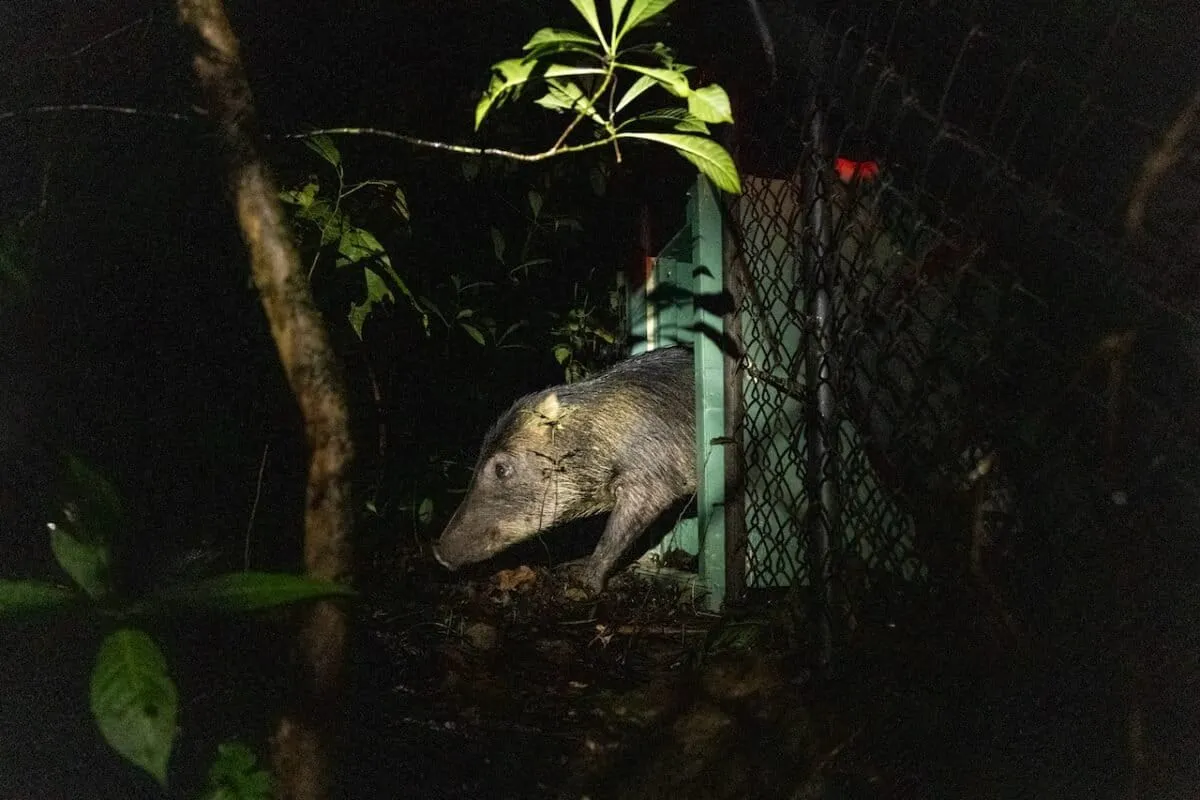
Good news for anyone who believes sloths deserve a safe commute: Costa Rica's lawmakers have unanimously decided that roads, both new and old, will now require dedicated wildlife crossings. This isn't just a suggestion; it's a mandate for any road that dares to bisect an animal's natural path or, you know, just generally put a tapir in peril.
The measure, approved in August 2026, aims to keep critters from becoming hood ornaments and, more importantly, to keep their habitats connected. Because apparently, even sloths need to get from Point A to Point B without dodging a Hyundai.

No More Greenwashing
Once the president puts pen to paper, every new road project will have to bake wildlife crossings into its plans and budget right from the start. Costa Rica's National Environmental Technical Secretariat will be the gatekeeper, scrutinizing every blueprint to ensure it's up to snuff before any asphalt gets laid.
We're a new kind of news feed.
Regular news is designed to drain you. We're a non-profit built to restore you. Every story we publish is scored for impact, progress, and hope.
Start Your News DetoxExisting roads aren't off the hook either. If data rolls in showing a particular stretch of highway is a deathtrap for local fauna, the government can demand a new crossing. Rebecca Cliffe, founder of the Sloth Conservation Foundation, notes that anyone can submit scientific proof that a bridge is needed. She's even launching a project to collect data from rescue centers and community reports in the South Caribbean, ensuring future crossings are placed where they'll do the most good.
For years, Costa Rican roads have sported bright yellow signs warning drivers of sloths, tapirs, and coatis. A noble effort, perhaps. But a 2025 study from Brazil found these signs are about as effective at slowing drivers down as a polite suggestion. Cliffe, with admirable bluntness, called these signs "greenwashing" in Costa Rica, adding, "No one’s slowing down when they see those signs."
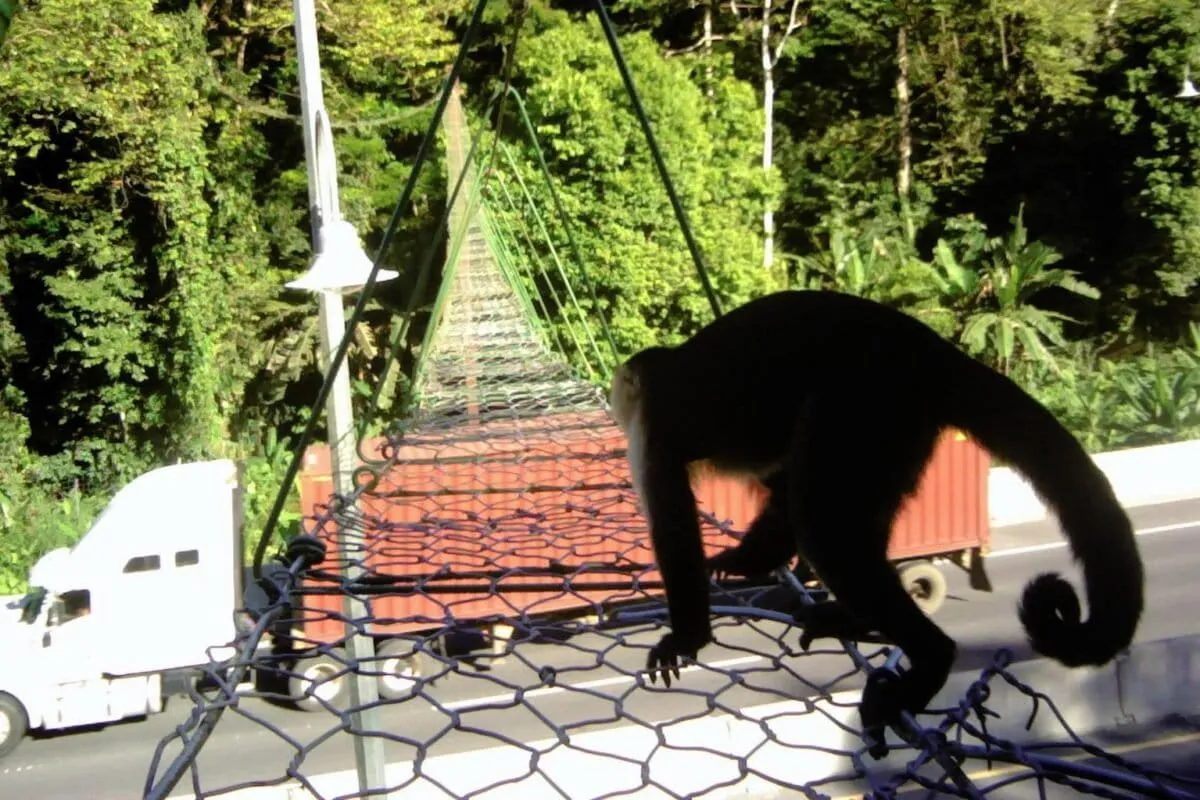
Wildlife crossings, however, are the real deal. We're talking bridges, tunnels, culverts, or even specialized ropes for the arboreal set. These aren't just feel-good gestures; they're proven lifesavers, ensuring the local wildlife can cross the road without needing to ask why the chicken did it.