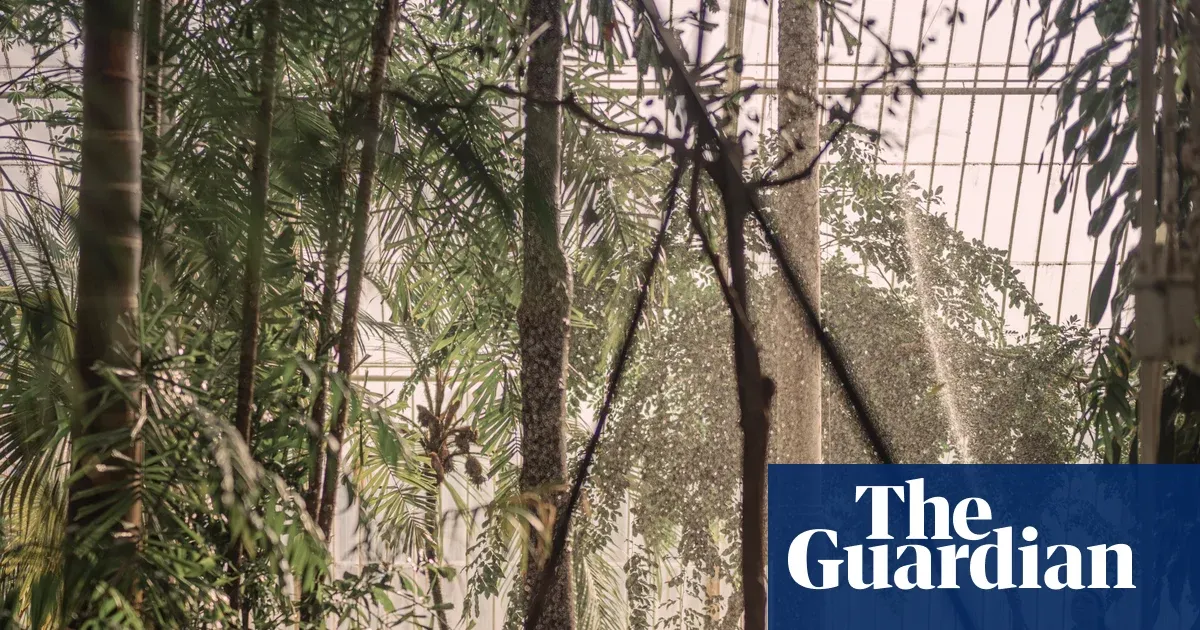
Horticulturalists at Kew Gardens face a tough task: felling some magnificent trees in the Palm House. This is part of a major renovation project for the Victorian-era greenhouse.
Will Spoelstra, the Palm House manager, called it "sad moments ahead." His team must move about 1,000 plants and sacrifice others. This is crucial for renovating the glasshouse.
Saving Rare Plants
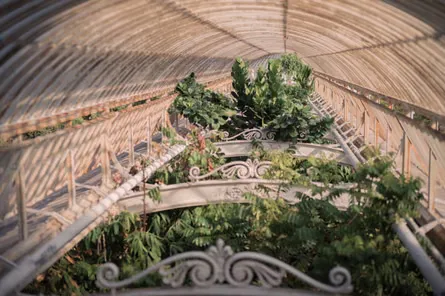
The Palm House's ironwork is rusted, and its 16,000 glass panes are damaged. This makes it hard to keep the hot, humid conditions that rare plants need. Some plants inside are critically endangered. In some cases, Kew holds the only known specimens.
We're a new kind of news feed.
Regular news is designed to drain you. We're a non-profit built to restore you. Every story we publish is scored for impact, progress, and hope.
Start Your News DetoxGiant palm trees reach the roof and cannot be moved. They will have to be cut down. Spoelstra's team has already started emptying the beds around the Palm House. The renovation is set to begin in 2027, if funds are raised.
Plants have been moved to a tropical nursery behind the scenes. They will get used to new conditions before returning to the renovated greenhouse. Kew's scientists are collecting seeds and cuttings to grow new plants. The nursery now looks like a miniature Palm House, full of young trees.
Conservation Breakthroughs
This project has led to important conservation work. One tree that must be cut down is the Ravenea moorei. It is native to the Comoros islands. Scientists thought it was the only one of its kind. Kew's specimen is male and cannot produce seeds alone.
Researchers went to the Comoros and found a wild population. This success means the greenhouse specimen can now be propagated. There are now ten young plants in the tropical nursery. Kew will also help scientists in the Comoros protect their wild population.
Moving some plants is risky. The Aiphanes eggersii is covered in large spikes. Spoelstra said they will need to wrap it well to avoid injuries. Staff are also excited that they successfully sowed seeds from it for the first time.
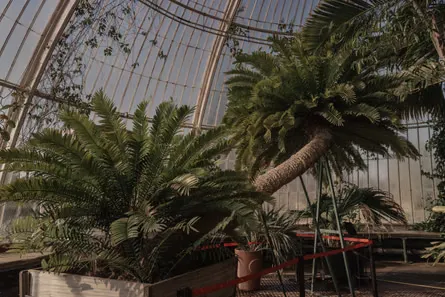
Kew hired special movers who handle fragile art to relocate plants. This includes the Eastern Cape giant cycad. It is the world's oldest potted plant, growing at Kew since 1775.
A Blueprint for the Future
The chance to propagate so many plants has exciting conservation implications. Tom Pickering, head of glasshouses, said Kew can play a major role in conserving wild plants. He believes moving plants back to the wild will be even more important in the future.
One example is the Ramosmania rodriguesii. Kew grew it from cuttings of its last surviving tree in Rodrigues, Mauritius. Young specimens are now in the nursery. Trees grown at Kew have been moved back into the wild. Pickering called this "amazingly satisfying."
Pickering hopes this project can be a blueprint for horticulture. He wants to bring plants back and work with partners globally.
Kew will start a fundraising drive in October to "save London's rainforest." The renovation is expected to last about 50 years. This means the young plants Pickering is tending will thrive in the Palm House for decades.
The project has already helped save some plants from extinction. Pickering feels a "big feeling of hope" that these plants can become abundant again.