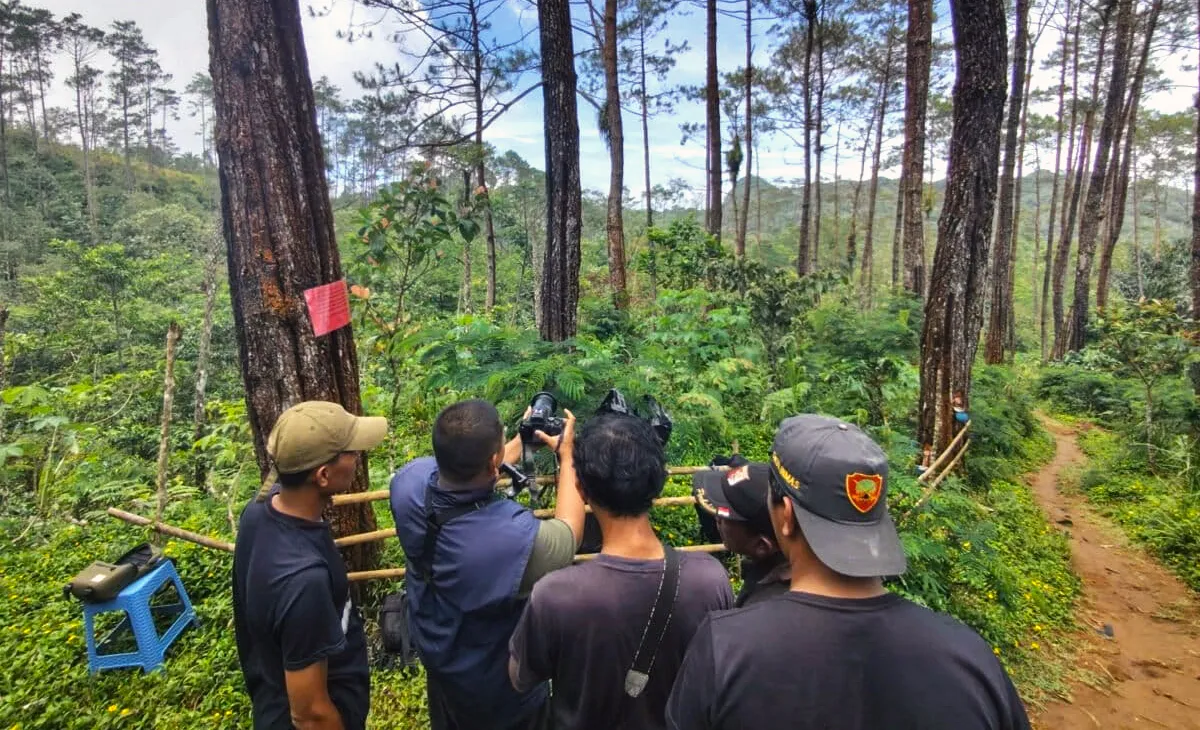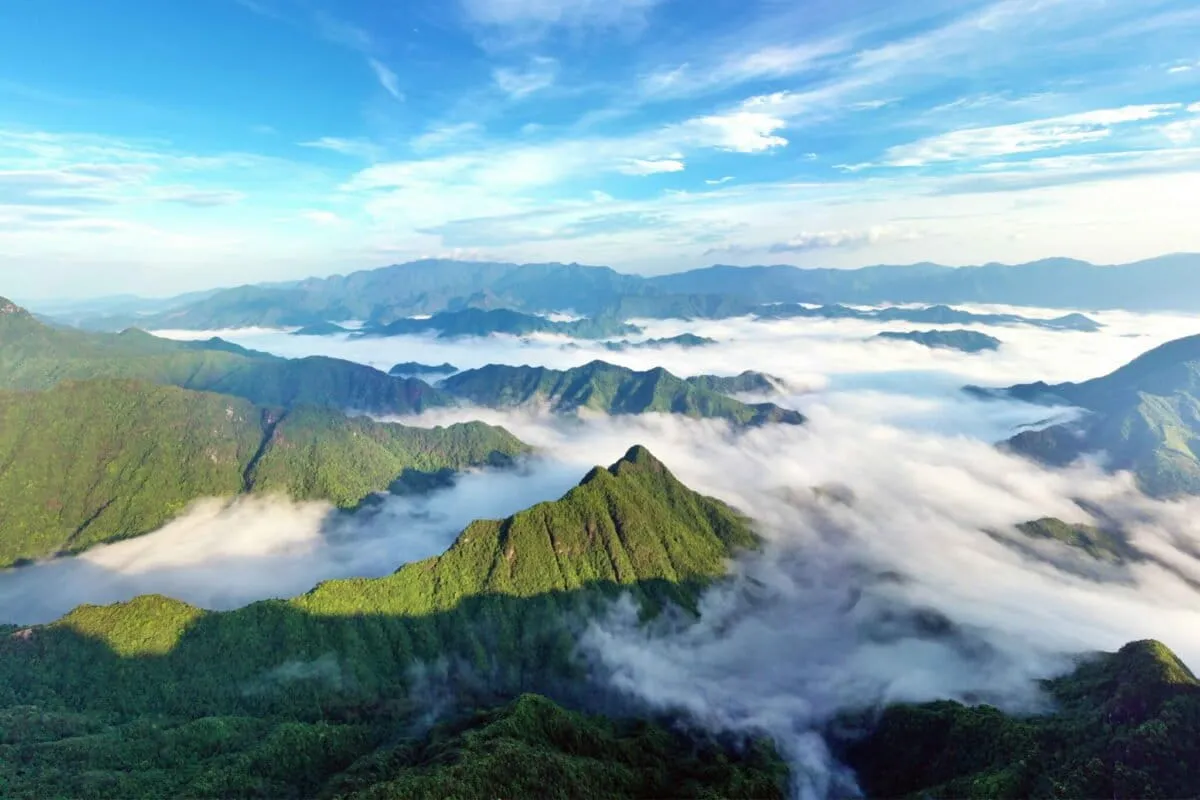
Parman, like many young men in Java's Menoreh Hills, used to make a living plucking songbirds from their nests. He'd raise them just long enough to sell to city dwellers from places like Yogyakarta and Magelang, who were always looking for a good price on a feathered friend.
It was a decent gig, until it wasn't. Because, as it turns out, when everyone's taking birds out of the forest, eventually there aren't any left.
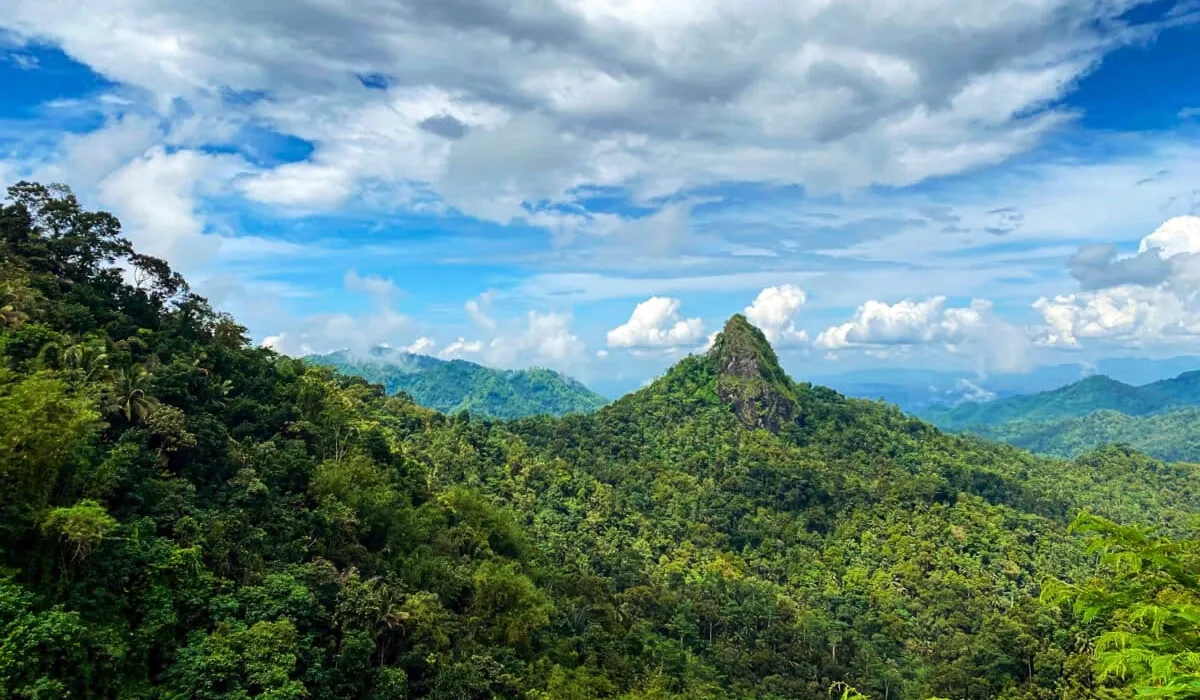
The Quiet Forest
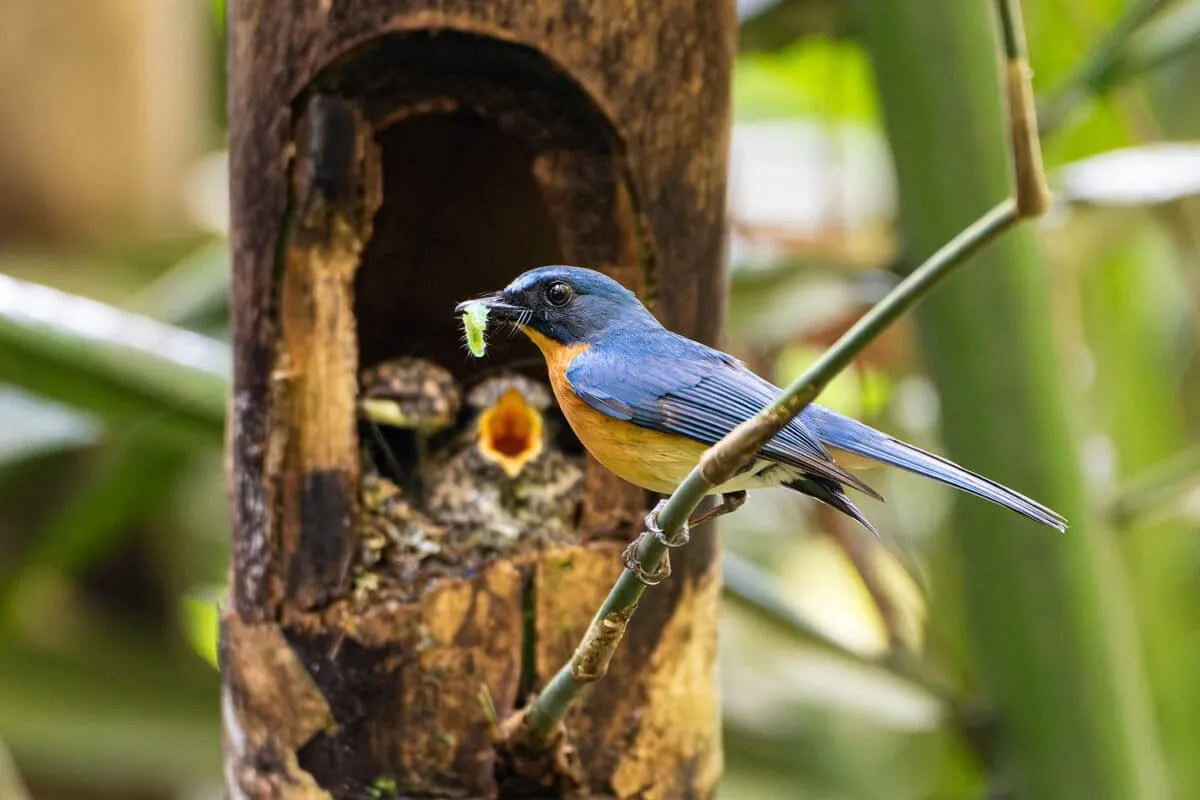
Take the Javan blue flycatcher, for instance. A tiny, vibrant splash of color that used to be a common sight in these very hills. Now? Critically endangered. According to a 2022 assessment by the IUCN, a global wildlife conservation group, there are currently tens of thousands of these birds living in cages. In the wild? Fewer than a thousand. Possibly far, far fewer.
We're a new kind of news feed.
Regular news is designed to drain you. We're a non-profit built to restore you. Every story we publish is scored for impact, progress, and hope.
Start Your News DetoxLet that satisfying number sink in. More of these birds are essentially prisoners than free agents. Which, if you think about it, is a pretty stark indicator of a problem.
Parman and his fellow hunters noticed the quiet first. The forests, once chirpy and vibrant, were becoming eerily silent. Birds were simply too hard to find. So, they did what any pragmatic group would do: they hung up their nets and started raising goats instead. Because apparently, even goats are easier to find than a Javan blue flycatcher these days.