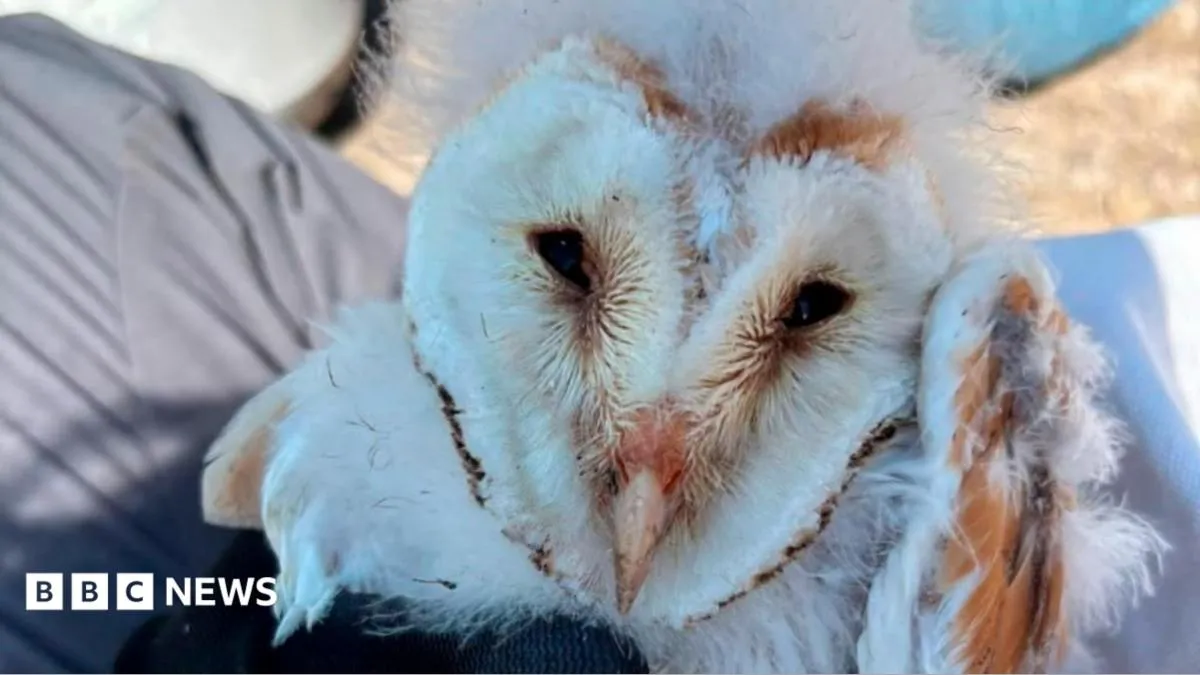
Barn owls have had a very successful summer in County Fermanagh. Conservationists recorded ten chicks across two different sites. This success comes after years of hard work by Ulster Wildlife and local farmers.
Farmers have been installing nest boxes and improving the natural areas where these rare birds live. There are fewer than 30 breeding pairs of barn owls left in Northern Ireland.
First Chicks in 50 Years
These Fermanagh chicks are the first recorded in the county in 50 years. Ulster Wildlife usually finds most of its barn owl records in eastern Northern Ireland.
We're a new kind of news feed.
Regular news is designed to drain you. We're a non-profit built to restore you. Every story we publish is scored for impact, progress, and hope.
Start Your News DetoxTwo groups of five chicks were found in nest boxes. These boxes were installed after more than ten years of working with landowners. The exact locations are being kept secret to protect the birds.
Katy Bell, a senior conservation officer from Ulster Wildlife, said nest boxes are important. But she also highlighted the willingness of farmers to help the "magical, mystical" barn owl.
She explained that they advise landowners on managing their land. This includes having thick hedgerows and rough, long grass for the owls to hunt in. Then, they need a place to nest.
The charity has worked with BirdWatch Ireland. They have seen the barn owl population start to spread north from County Cavan. The chicks have small identification rings on their legs. This helps trace them if they are seen again. This is the first time chicks have been ringed under a special license, with support from the British Trust for Ornithology.
Helping the Farmer's Friend
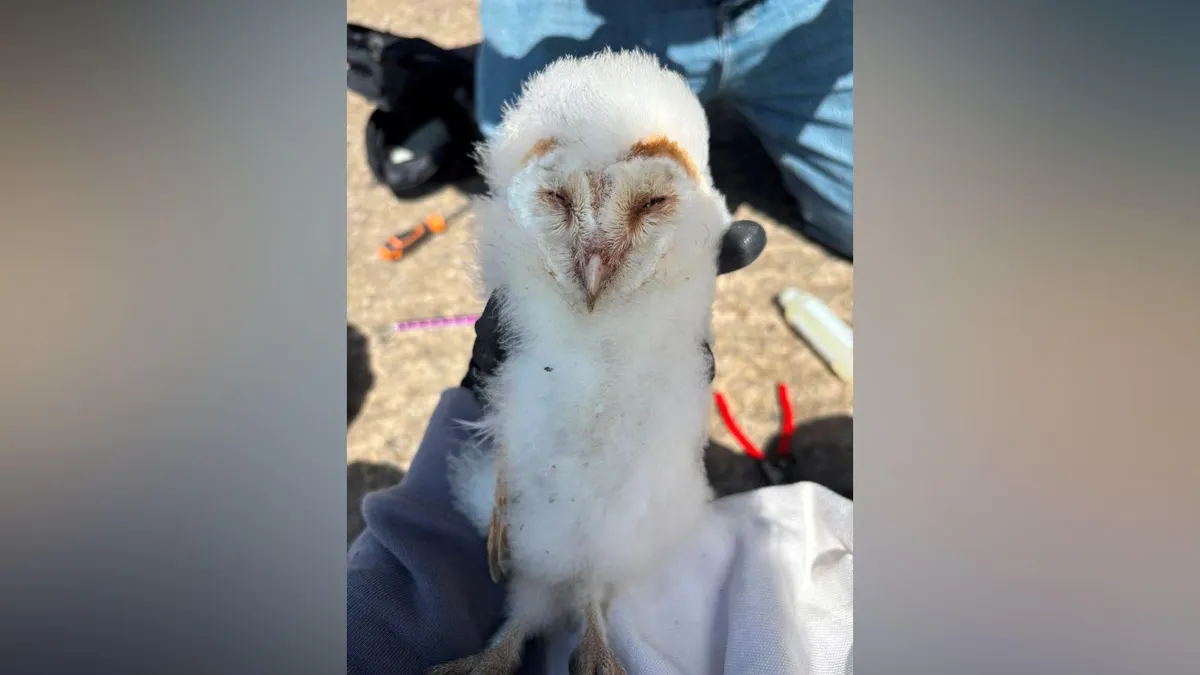
Barn owl numbers have dropped across the UK over the last 50 years. These birds are now on the red list, meaning they are at risk of extinction. This is mainly due to losing their natural homes and the use of pesticides.
Bell noted that barn owls face many challenges. They can be poisoned by rodenticides. They also lose trees for nesting and good hunting grounds. Many are hit by cars.
She stressed that creating "safe havens" for them is crucial. These safe havens are nest boxes. They are designed to look like the tree hollows where barn owls usually nest. These natural nesting spots are becoming rare.
The boxes are built to keep water out. Conservationists can also access them to check on the chicks. A platform on the front allows young birds to practice flying before they leave the nest.
Bell has a long list of farmers who want nest boxes installed. She explained that barn owls are "the farmer's friend" because they provide free pest control. They eat rats and mice, working in harmony with the farm.
What Barn Owls Need
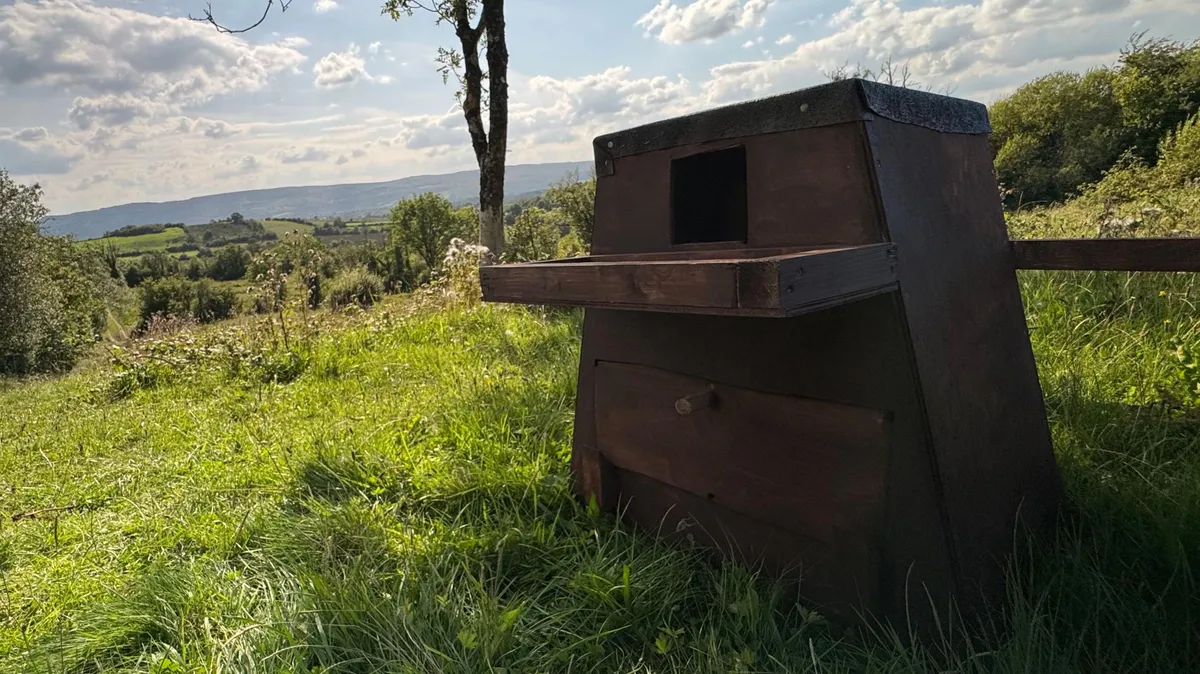
Barn owls typically nest in hollows found in large, old trees like oaks. They also need to be near rough ground where small rodents, their main food, live. However, the right kind of trees in the right areas are becoming scarce. This makes the nest boxes very important.
Bell said that suburban gardens are not suitable for barn owls. They need barns or big, old trees and open land. Ulster Wildlife visits farms in the autumn to see if they are suitable. If so, they install boxes in the winter.
People can help by reporting any barn owl sightings, especially in western Northern Ireland. This helps fill in records and protect important breeding areas. Bell described seeing a barn owl as an unforgettable experience. They are small birds, about the size of a wood pigeon, but look much larger due to their wide wingspan. Seeing a "big flash of white" as they hover over a field is a unique sight.