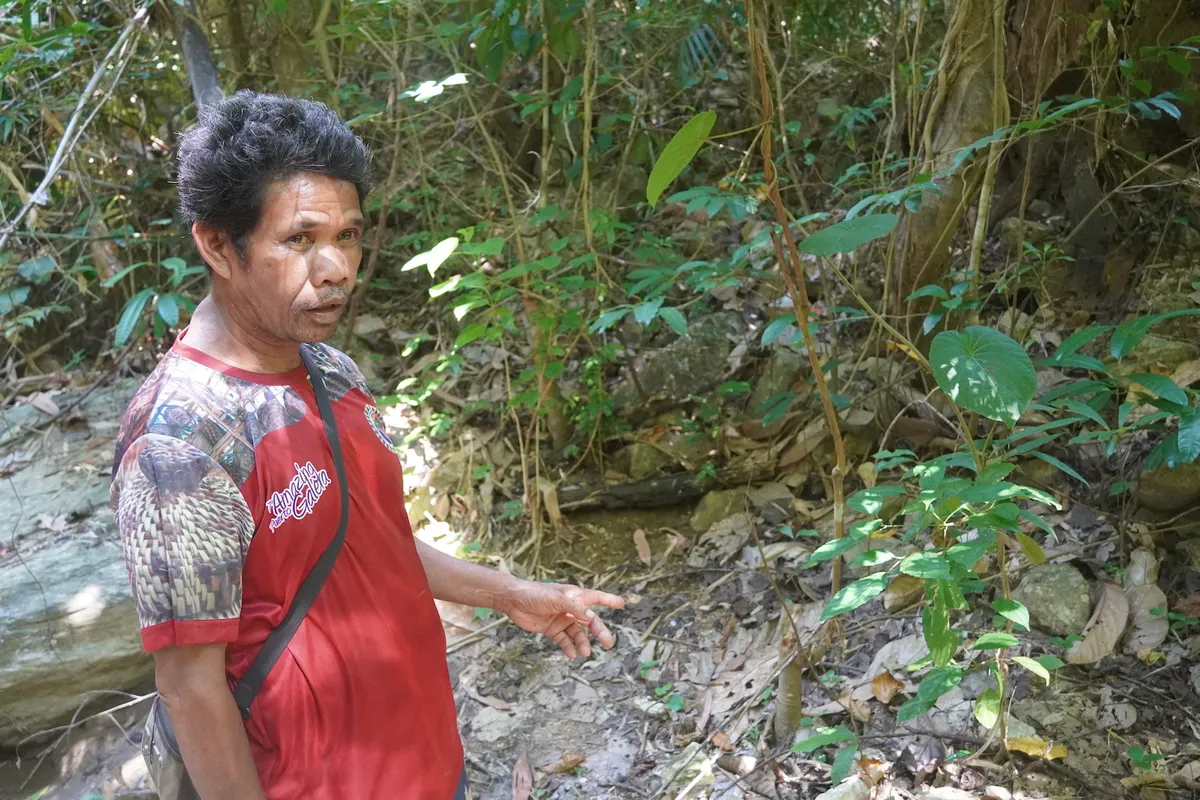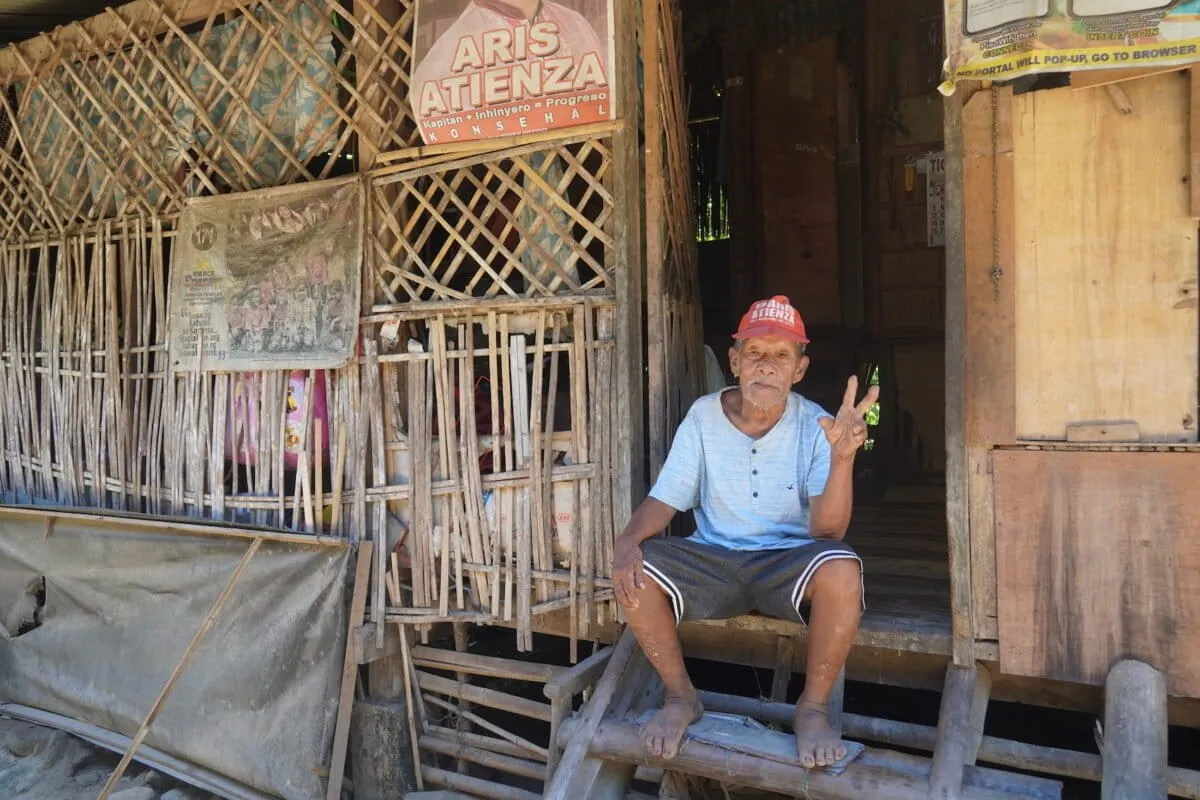
Before the sun even thinks about rising, Bernito Pampilo, a 56-year-old Iraya Mangyan patroller, is already lacing up his boots. His office? The dense, often treacherous forests of Puerto Galera. His commute involves crossing rivers, scaling steep ridges, and navigating balahaw — deep, natural holes that, as Pampilo dryly notes, can be fatal if you're in too much of a hurry. This isn't just a walk in the park; it's a mission.
Around 6 a.m., after a quick prayer to Apo Iraya, their creator, for a bit of divine GPS, Pampilo and his two companions head out. They’re armed with phones, flashlights, and enough snacks to keep them going, sometimes through the night. Mobile apps guide them to coordinates, but offer zero advice on how not to fall into a giant pit. Because apparently that’s where we are now.

Protecting Ancestral Forests, One Step at a Time
This isn't just about preserving trees; it’s personal. The forest Pampilo patrols is part of the 14,661-hectare Puerto Galera Biosphere Reserve, a UNESCO site since 1977. For him, it’s about protecting the ancestral lands that have fed and sheltered his community for generations. But it's also a real-world test of whether a big, international climate program can actually work for the people living on the ground, literally.
We're a new kind of news feed.
Regular news is designed to drain you. We're a non-profit built to restore you. Every story we publish is scored for impact, progress, and hope.
Start Your News DetoxEnter the Mindoro Forest and Biodiversity Conservation Programme (MFBCP), run by the Center for Conservation Innovations Philippines Inc. (CCIPH). This ambitious effort, running from 2020 to 2049, aims to conserve over 40,000 hectares of ancestral forest and support about 2,500 Iraya Mangyan households. It’s a multi-pronged attack: recognizing Indigenous lands, monitoring carbon (because that’s where the funding is), organizing these incredible patrols, and developing livelihood projects.
It's a grand vision, combining ancient wisdom with modern climate goals. And it all hinges on people like Bernito Pampilo, who are willing to risk a nasty fall to make sure their forest, and this program, actually deliver.