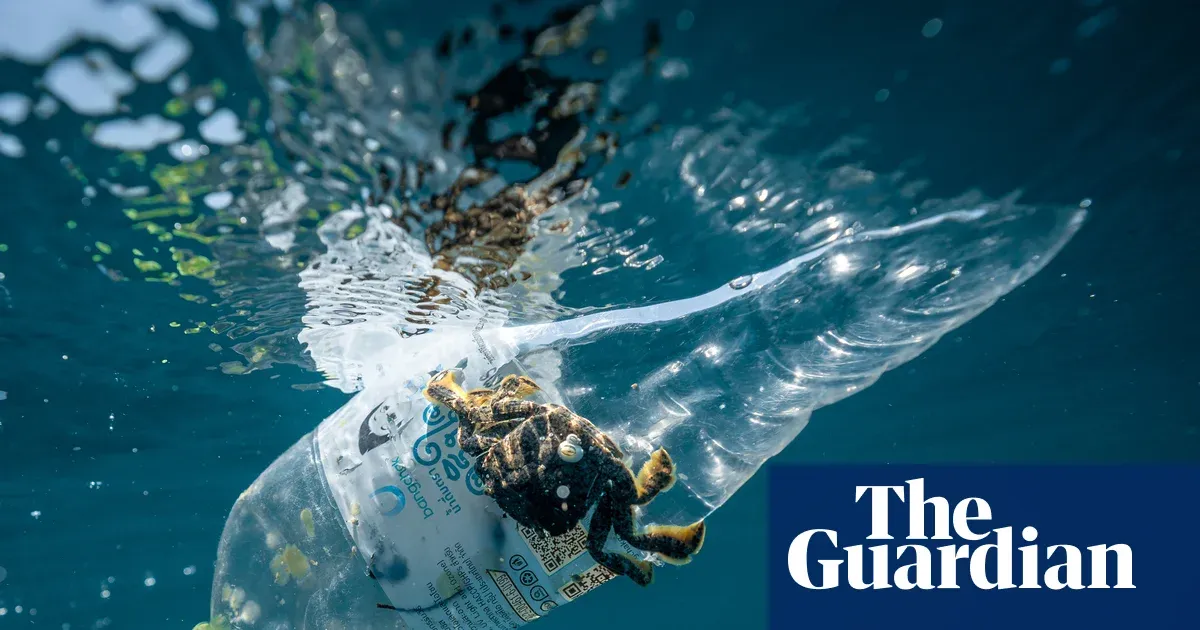
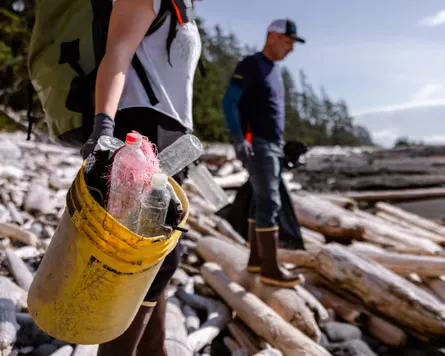
More than 1.3 million plastic bottles were collected from beaches, rivers, and waterways last year. This happened during the world's largest single-day volunteer ocean cleanup.
About 630,000 people joined the International Coastal Cleanup in 2025. They removed almost 13.9 million pieces of trash from over 15,000 miles of coastline.
Plastic bottles were the most common item found. Volunteers also picked up over 1.2 million cigarette butts. They collected 885,000 plastic bottle caps and 581,000 plastic shopping bags. More than 1 million other plastic bags and food containers were also removed.
We're a new kind of news feed.
Regular news is designed to drain you. We're a non-profit built to restore you. Every story we publish is scored for impact, progress, and hope.
Start Your News DetoxWhy So Many Plastic Bottles?
The NGO Ocean Conservancy organizes this annual cleanup. Dr. Anja Brandon, their director of plastics policy, noted that plastic bottles are very recyclable. She said this shows two things. First, too much plastic is being made. Second, much of our waste does not get recycled properly.
Dr. Brandon believes that better access to recycling, like bottle deposit schemes, would help. Investing in ways to reuse and refill containers would also protect the ocean from plastic pollution.
The findings show that disposable plastic is still a major part of marine litter. This is true even with more bans and laws trying to reduce its use.
In the UK, people use about 13 billion plastic drinks bottles each year. Only about half of these are recycled, according to the WWF. A deposit return scheme for drinks bottles is expected to start in 2027. Similar programs have worked well in Germany, Sweden, and Ireland.
Impact on Wildlife and Solutions
Allison Schutes, Ocean Conservancy's senior director of conservation cleanups, spoke about plastic's harm to marine life. A study led by Ocean Conservancy found that an albatross died after eating an entire plastic bottle.
Schutes explained that plastic in the water is not just an eyesore. It is a serious threat to ocean wildlife.
She said governments need to reduce how much single-use plastic is made and used. They also need to improve recycling and waste systems.
Schutes noted that many single-use items are only used for minutes. There are good alternatives available. She stressed the importance of ensuring that items used end up in a proper waste system.
A History of Action
Ocean Conservancy's first cleanup was 40 years ago. Then, 2,800 volunteers cleaned beaches on the Texas Gulf coast. Since then, almost 19.7 million people in 166 countries have collected over 439 million items. This trash weighed a total of 184,000 tonnes.
Plastic drinks bottles are the third most common item found in the initiative's history. Almost 27 million have been collected. Volunteers have also picked up over 65 million cigarette butts, many with plastic filters. They found 32 million food wrappers and 20 million plastic bottle caps.
Ocean Conservancy uses this data to see if policies against plastic pollution are working. The data has been cited in nearly 300 scientific studies. One study in 2025 found that plastic bag bans reduced bags on shorelines by 25% to 47%. This was compared to places without such policies.
Deep Dive & References
Plastic bag bans and charges reduce bags as a proportion of litter collected on shorelines - Science, 2025