Varanasi, a city known for its ancient ghats and spiritual charm, was quietly facing a very modern problem: its groundwater was vanishing. The official permits for extracting water? About 30 a year. The actual number of new borewells being dug, no questions asked? Nearly 700. Someone wasn't doing their homework, or rather, they were doing it with a very long shovel.
The law, as it stood, was clear: if you’re pulling water out, you need to put it back in. Specifically, by building a rooftop rainwater harvesting system that replenishes what you take. A nice idea, rarely enforced. A quick survey found 1,435 illegal borewells at businesses. Officials, perhaps tired of the charade, sealed 150 of them and cut their power. Suddenly, 800 companies remembered they needed permits. Their main excuse? No space for those pesky rooftop systems.
The Lightbulb Moment, on a Rooftop
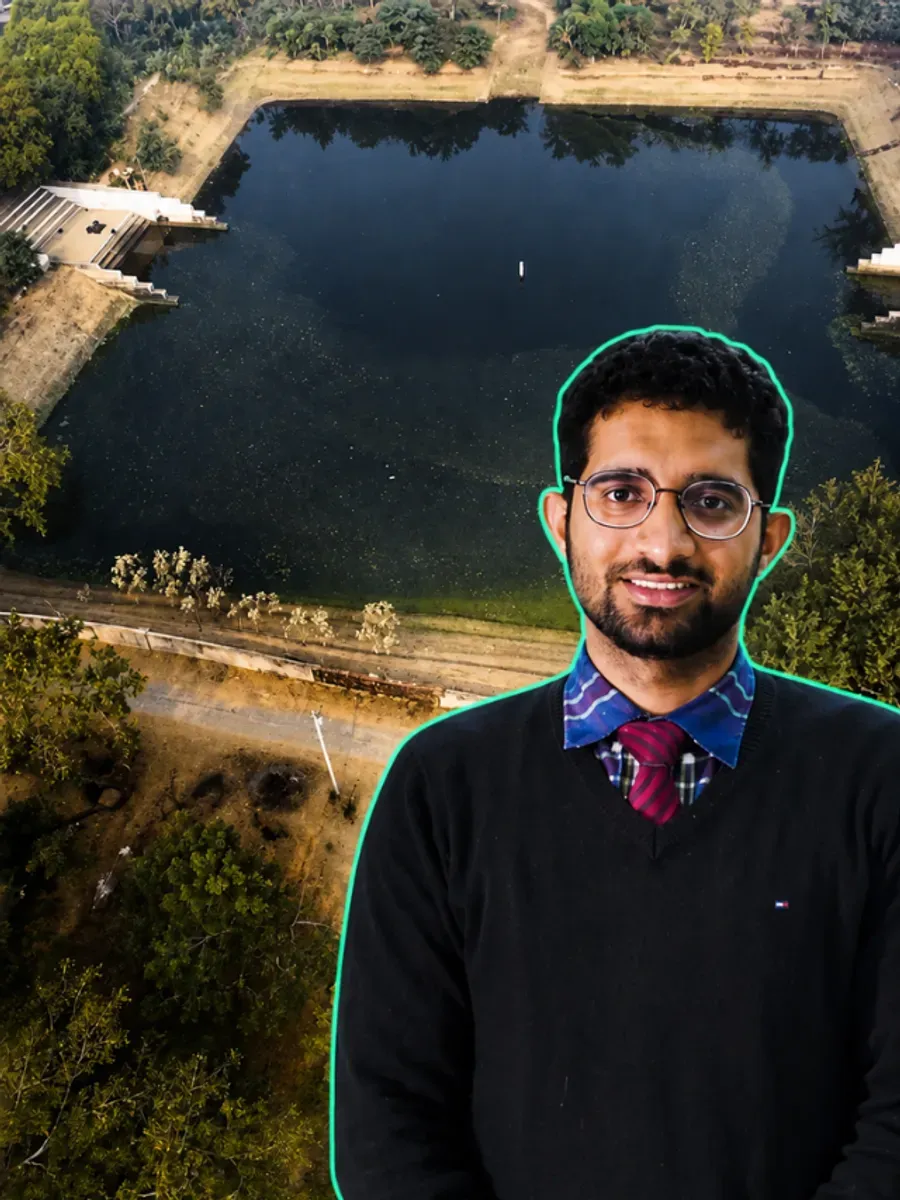
That's where Himanshu Nagpal, a 27-year-old IAS officer, stepped in. While chatting with a college principal about campus waterlogging, a thought sparked: what if public rooftops — schools, colleges, hospitals — became the solution? They had plenty of space. Companies, instead of building systems on their own cramped properties, could fund them on these public buildings. It was a win-win: businesses got their permits, public buildings got free infrastructure, and the city got its water back.
We're a new kind of news feed.
Regular news is designed to drain you. We're a non-profit built to restore you. Every story we publish is scored for impact, progress, and hope.
Start Your News DetoxNow, over 1,000 government buildings in Varanasi are collecting rainwater. Private companies funded about 70% of these projects. Because apparently, all it takes is a little creative thinking and a bit of enforcement to get everyone on board.
But the water wizardry didn't stop there. The Nad river, which had devolved into a polluted industrial drain, got a full makeover. Through cleanup efforts, check dams, and ponds across 30 kilometers, the river was revived. The happy side effect? A significant drop in waterborne diseases in 39 nearby villages. Because nothing says progress like not having to worry about what’s in your drinking water.
Separately, 393 new artificial ponds, called "Amrit Sarovars" (each about an acre), were dug. And 6,000 handpumps now have soak pits, filtering excess water back into the earth and cutting down on runoff. Officials even roped in IIT-BHU and the World Wildlife Fund to figure out how to keep local wetlands full year-round, boosting groundwater in rural areas.
The results? Varanasi's water table rose by 0.8 to 1 meter in just two years. Pindra block, once a 'dark zone' of severe water stress, is no longer on the list. Its water table alone rose a remarkable 1.7 meters after the Nad river revival. All for about Rs 80 crore. It turns out, sometimes the simplest solutions are right above our heads.