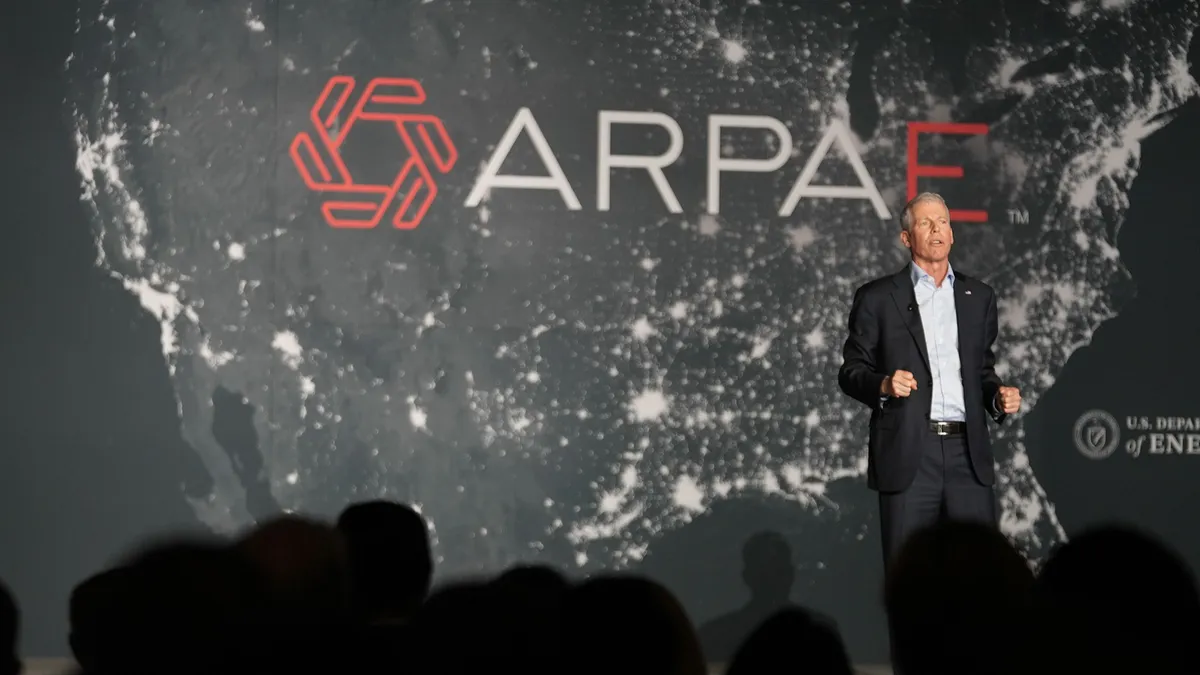
Imagine a government agency that hands out billions to wild, risky energy ideas — the kind that private investors usually run from, because who wants to wait a decade for a profit? That's the Advanced Research Projects Agency–Energy, or ARPA-E. For 15 years, it's been the quiet powerhouse behind some of America's most ambitious climate tech, pouring over $4 billion into universities and startups.
Turns out, that initial federal gamble has paid off. A new report from the National Academies of Science just dropped, confirming ARPA-E isn't just throwing money at moonshots; it's landing them. That $4 billion has unlocked over $20 billion in additional funding and produced more than 1,400 patents. Let that satisfying number sink in.
What makes ARPA-E so effective? About 40% of its grants create a "crowding in" effect. Meaning, once a startup proves its crazy idea actually works, other companies suddenly decide they want in on the action. It's like the cool kid at school finally wearing a trend, and then everyone else follows suit. But for clean energy.
We're a new kind of news feed.
Regular news is designed to drain you. We're a non-profit built to restore you. Every story we publish is scored for impact, progress, and hope.
Start Your News DetoxThe Next Frontier: Powering the Unstoppable
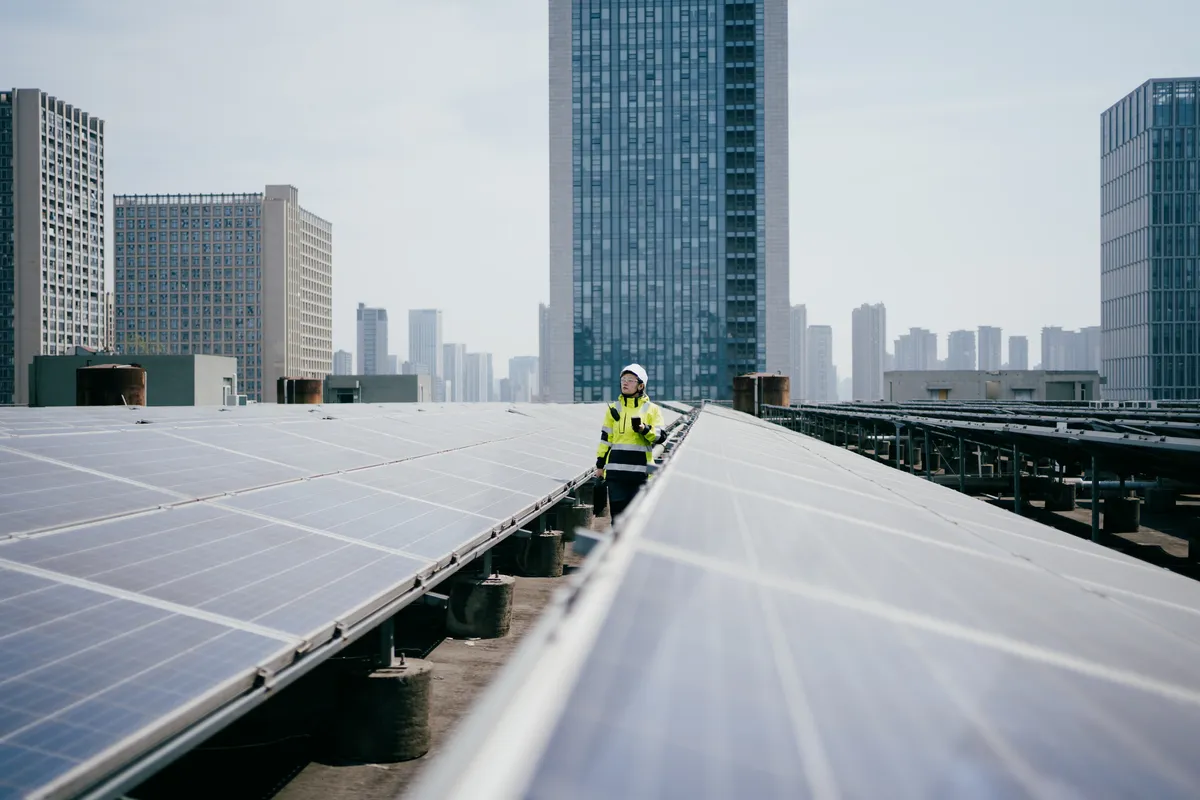
ARPA-E started in 2009, when solar panels and lithium-ion batteries were still niche, expensive dreams. They needed a kickstart. Now, those technologies are practically household names, thanks to massive investments in manufacturing. So, the report suggests ARPA-E should move on. Solar doesn't need its hand held anymore, apparently.
But here's the rub: the sun doesn't always shine, and the wind doesn't always blow. Our power grid still relies heavily on plants that run 24/7, especially for things like factories and those ever-hungry data centers. This is where ARPA-E's newer investments are getting delightfully weird.
Many recent grantees are focused on "clean firm" power — the kind that's available all the time, no matter the weather. Take Fervo Energy, which is basically turning the Earth's own geothermal heat into electricity by drilling deep wells. They got ARPA-E support in 2019, went public this year, and are now working with Google to power data centers in Nevada. Because apparently that's where we are now.
Then there's Form Energy, making iron-air batteries that can store massive amounts of clean energy for days. Or X-energy, building compact nuclear reactors. These aren't just incremental improvements; they're the kind of solutions that make you think, "Oh, that's how we fix this."
Betting on the Decades-Away
Given this track record, the report suggests ARPA-E should now lean into the truly audacious, the problems whose solutions might still be decades away. Think nuclear fusion, which promises nearly endless, clean energy. Or "seasonal energy storage" — batteries so big and efficient they can store solar and wind energy through entire winter months. And let's not forget carbon-free ways to make steel and cement, industries responsible for about 8% of global emissions. Because apparently, we can't stop building things.
Of course, no good story is without its political drama. Former President Trump tried to slash ARPA-E's funding repeatedly. His administration even requested a nearly 50% cut this year. Yet, the Department of Energy keeps doling out grants for experimental tech, like long-duration energy storage and fusion reactors. They claim it helps "restore American energy dominance," which, if you think about it, is both impressive and slightly terrifying.
Even with the political headwinds, ARPA-E's impact is undeniable. It's the silent force behind a new generation of energy solutions, proving that sometimes, the government is exactly who you want taking the biggest, riskiest swings. And making them count.