PFAS. You know them, you probably have them in your bloodstream, and you definitely wish they'd just disappear. These "forever chemicals" are the superheroes of nonstick pans and semiconductors thanks to an unbreakably strong carbon-fluorine bond. The problem? That same bond makes them the villains of our soil, water, and pretty much every living thing, because they simply refuse to break down.
Now, a Ph.D. student at Yale, Susanna Maisto, has developed a method that doesn't just try to filter PFAS out of sight, out of mind. Her approach aims to fundamentally change the molecules themselves, tackling them at the source.
The "Bigger is Better" Approach to Chemical Destruction
Most current PFAS treatments are like trying to catch smoke with a sieve – expensive, and they don't actually destroy the chemicals. Maisto's genius involves a reaction with octanol, a type of alcohol. This isn't just a friendly handshake; the octanol attaches itself to the PFAS, roughly doubling its size. Because apparently, in the world of chemical destruction, bigger really is better.
We're a new kind of news feed.
Regular news is designed to drain you. We're a non-profit built to restore you. Every story we publish is scored for impact, progress, and hope.
Start Your News DetoxOnce supersized, these PFAS molecules become insoluble in water and simply separate out. But here's the kicker: that same reaction also makes them significantly easier to destroy. So, you get two birds with one very clever stone: insolubility and destructibility.
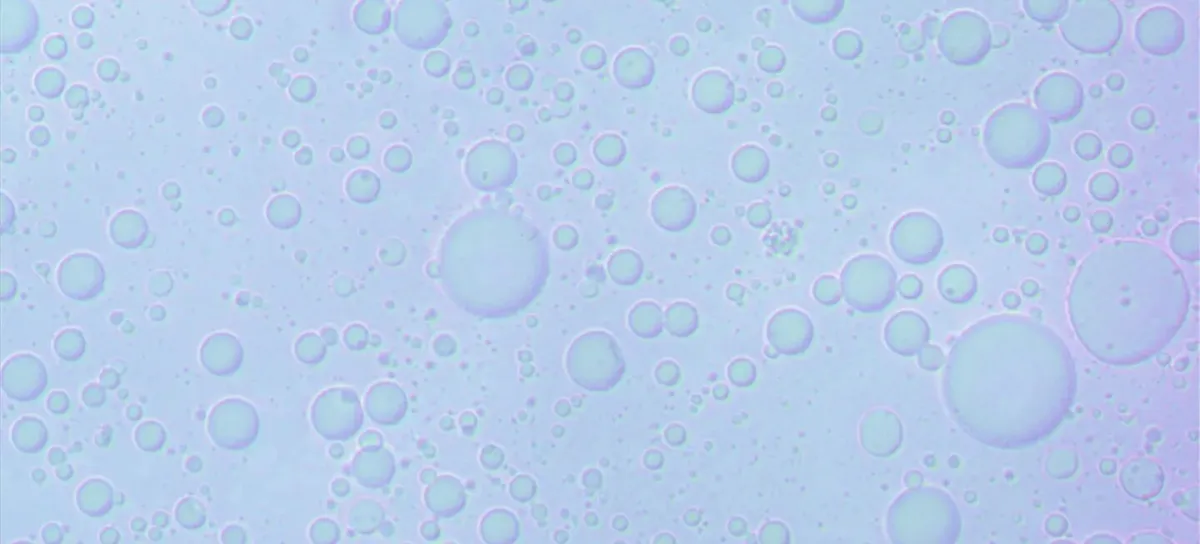
The real magic trick was making this organic reaction happen in water. Maisto pulled off this feat by using a technique from 2002 that creates tiny, suspended droplets of PFAS. Think of them as microscopic, self-contained reaction chambers, allowing the octanol and PFAS to get down to business.
The process, which takes about 24 hours, works on a wide array of PFAS types, including the newer, more stubborn ones. It even holds up in dirty water and saltwater, though the ocean air does make it slightly less efficient. Best of all, it thrives in concentrated waste, meaning industrial plants could treat their PFAS-laden effluent before it ever gets near your drinking supply. Because who needs widespread contamination when you can just nip it in the bud?
Maisto’s journey began with a research suggestion from her professor, John Fortner, and three years of troubleshooting. She’s now moving on to a postdoc at Columbia, aiming to find even more ways to crack that notoriously strong carbon-fluorine bond. Because some bonds, it turns out, really are meant to be broken.