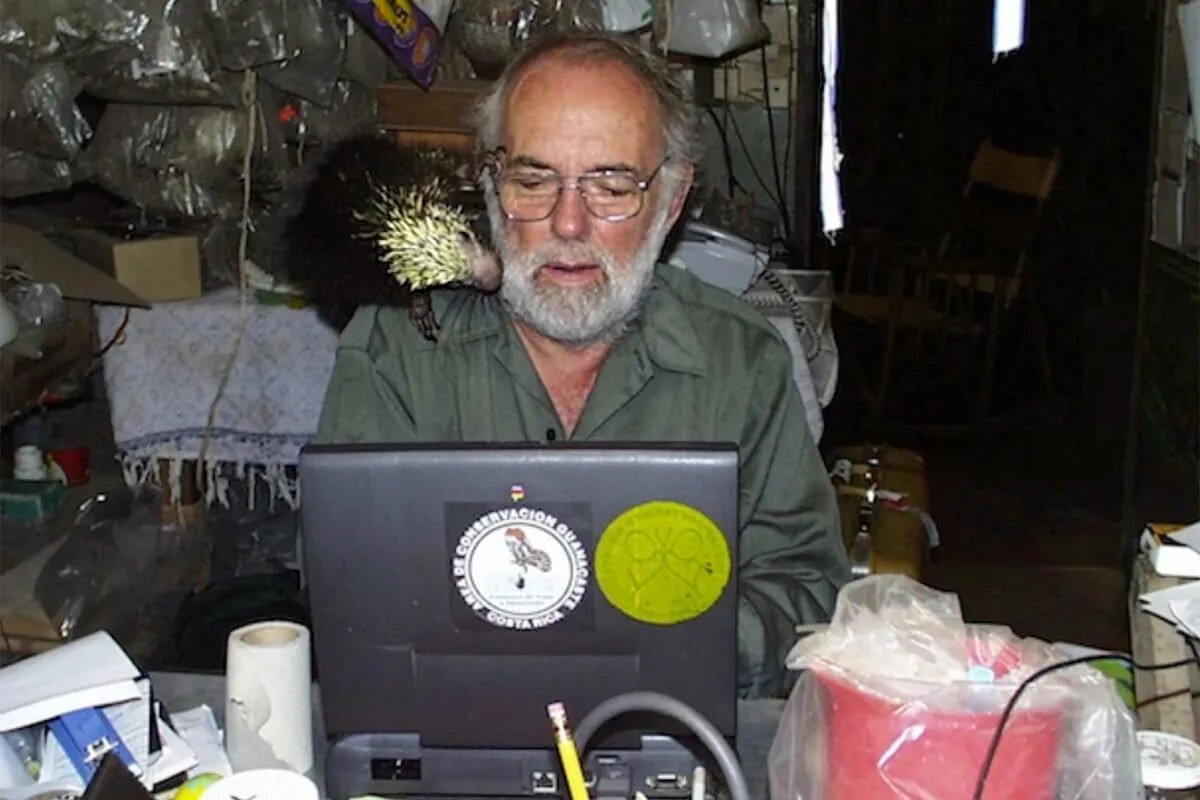
Imagine staring at a vast, overgrazed ranchland and thinking, "Yeah, this could totally be a vibrant tropical forest again." Most people would probably just see more cows. But in northwestern Costa Rica, that's exactly what Daniel Janzen and Winnie Hallwachs, his wife and scientific partner, set out to do five decades ago.
It wasn't a quick fix of planting a few saplings and calling it a day. First, the cattle had to go. Then came the endless battle against fire, fueled by non-native grasses that turned old ranchlands into tinderboxes. And those pesky fence lines? They needed constant vigilance. Because apparently, even a forest trying to be reborn requires a bouncer.
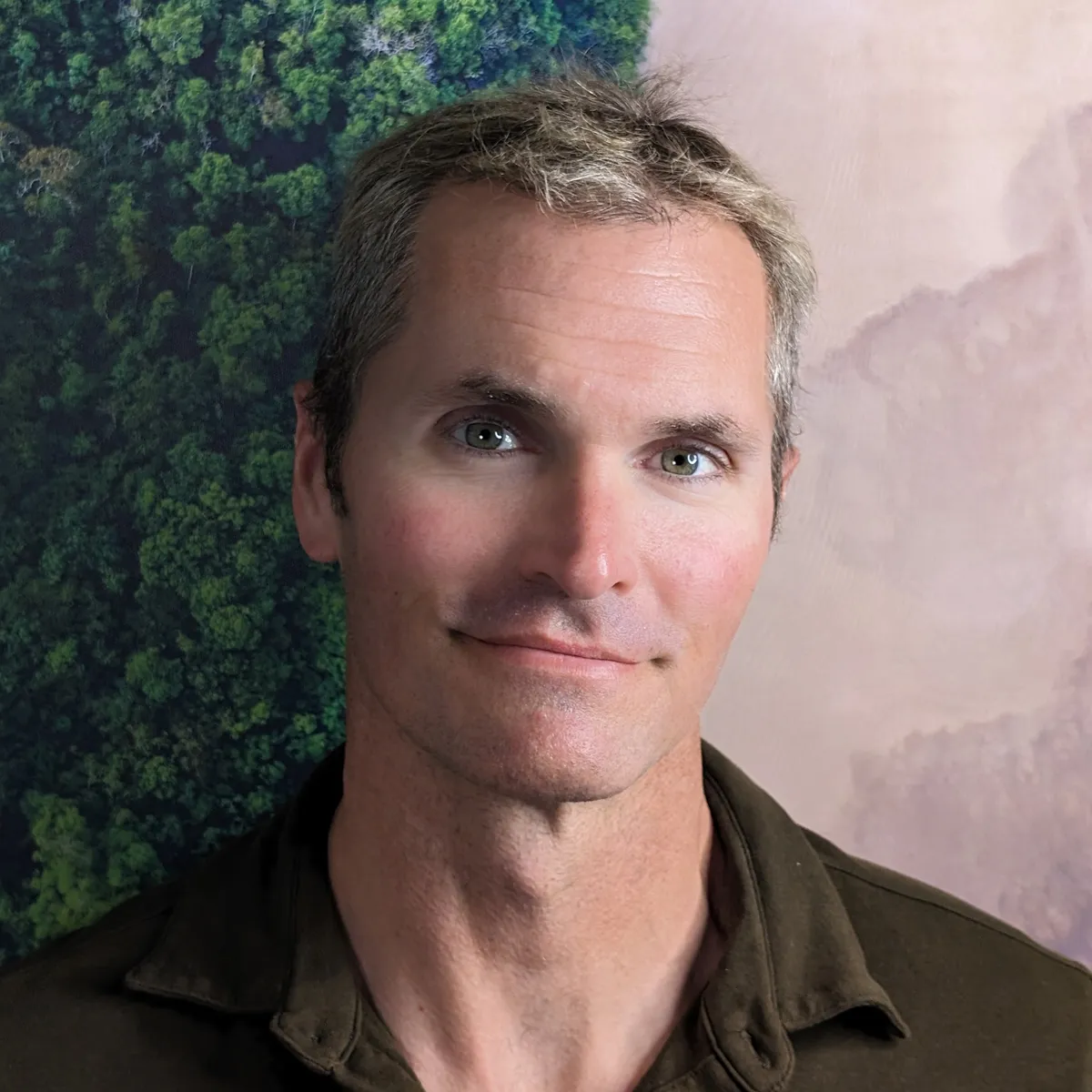
Seeds arrived on the wind, via birds and bats, and even, charmingly, through the digestive systems of passing animals. But the real heavy lifting wasn't just ecological; it was psychological. People had to actually believe this land could bounce back. And then they had to stick around long enough to see it happen. Which, for something that takes 50 years, is a pretty significant ask.
We're a new kind of news feed.
Regular news is designed to drain you. We're a non-profit built to restore you. Every story we publish is scored for impact, progress, and hope.
Start Your News DetoxTurns out, a park on paper is about as useful as a chocolate teapot. It can still burn, get poached, logged, ignored, or even actively resented. Bringing a forest back from the brink required a wild cocktail of science, consistent salaries, political agreements, and national investment. Plus, school programs, local trust, and the kind of daily maintenance usually reserved for a high-strung supercar. It needed people who would stay committed long after the initial buzz and funding dried up.
More Than Just One Guy with a Beard
Many stories like to focus on Janzen, the American ecologist with a beard, a camera, and a big idea. But as Hallwachs often helped explain, it was never just a one-man show. Around them, a sprawling Costa Rican effort blossomed. We're talking park leaders, field staff, parataxonomists (who knew that was a job title, but it sounds important), teachers, donors, government ministers, neighbors, and entire families.
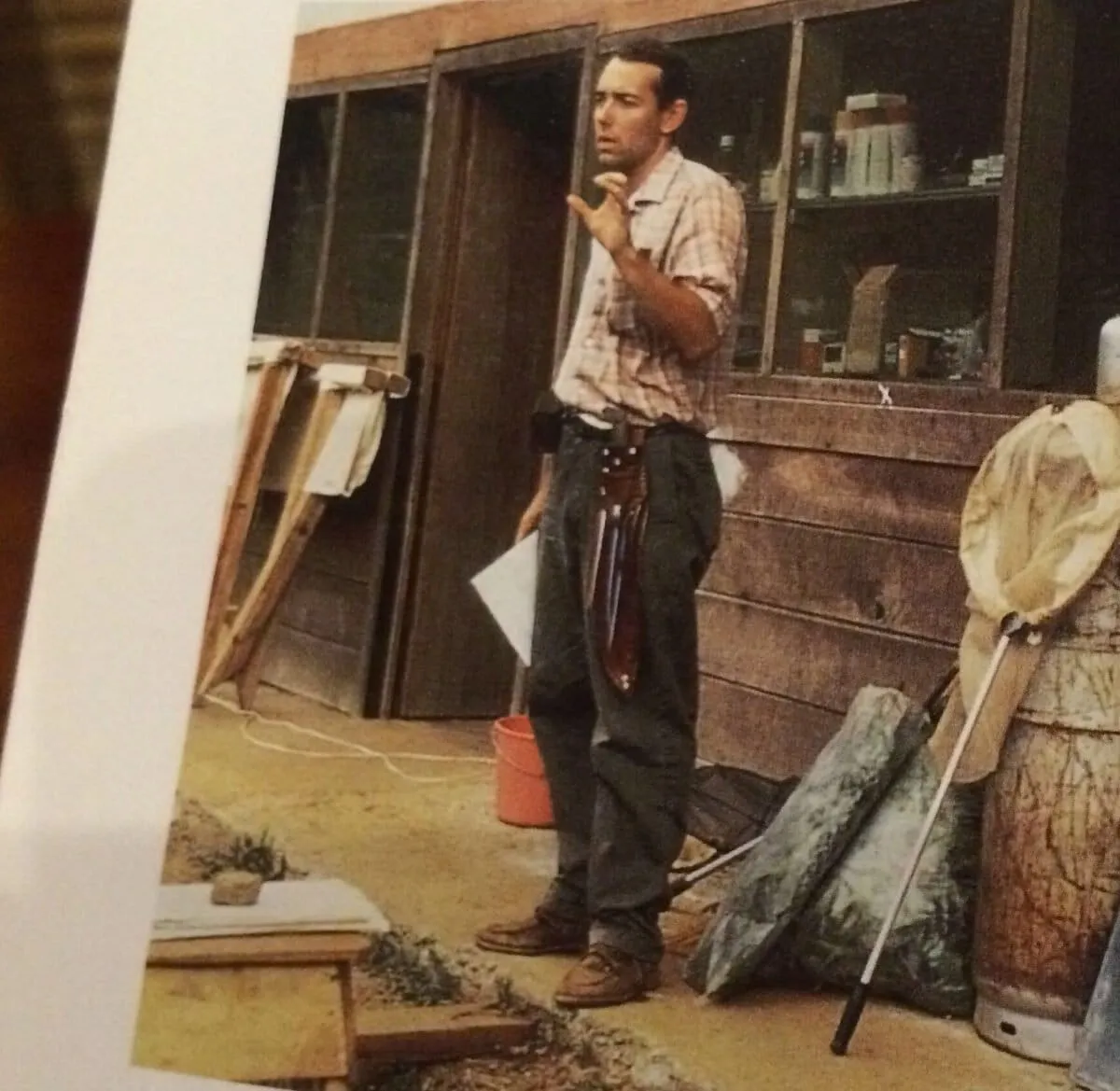
Together, they transformed a grand conservation concept into a living, breathing, incredibly complex landscape. Janzen is now 87, his fieldwork understandably slowing down. He's swapped university lectures for his role as Chief Scientist of the Guanacaste Dry Forest Conservation Fund (GDFCF), the nonprofit he and Hallwachs founded. Because apparently, even when you've helped regrow an entire forest, there's always more work to be done. And probably more fence lines to check.