Spain is making a splash in ocean conservation, proposing 23 new marine protected areas (MPAs) across its waters. This isn't just a casual dip; it's a serious push to protect 30% of its ocean territory by 2030. Because, apparently, some countries actually hit their environmental targets.
The proposal, cooked up by Spain’s Ministry for the Ecological Transition (a mouthful, we know), aims to safeguard a colossal 22,405 square kilometers (that's 8,651 square miles) of marine real estate. Most of this aquatic expansion is happening near the Canary Islands, in a region known as Macaronesia, with a few crucial spots also popping up off Valencia, Almería, Granada, and Mallorca.

Giving Nature a Bigger Safety Net
Among the new sites, 21 are designated for the Natura 2000 network, which is essentially Europe's VIP list for natural habitats. Seventeen of these are tucked into Canary Islands waters, covering 2,209 square kilometers. The remaining four are Mediterranean gems, protecting 5,341 square kilometers.
We're a new kind of news feed.
Regular news is designed to drain you. We're a non-profit built to restore you. Every story we publish is scored for impact, progress, and hope.
Start Your News DetoxThen there are the two special special protection areas (SPAs), which alone encompass a whopping 14,855 square kilometers of offshore waters near the Canaries. All these additions will bump Spain's total marine protection up by 2.08 percentage points, bringing the grand total to a rather satisfying 24.53%. Let that number sink in.
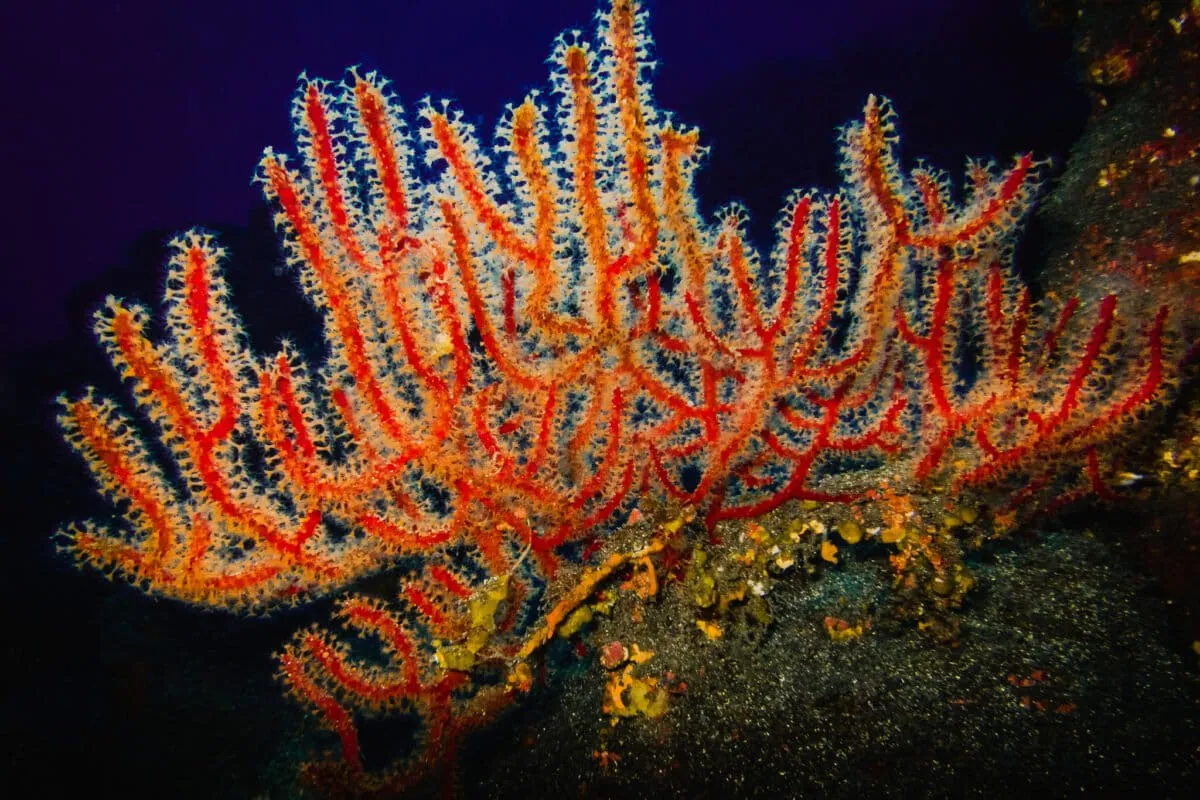
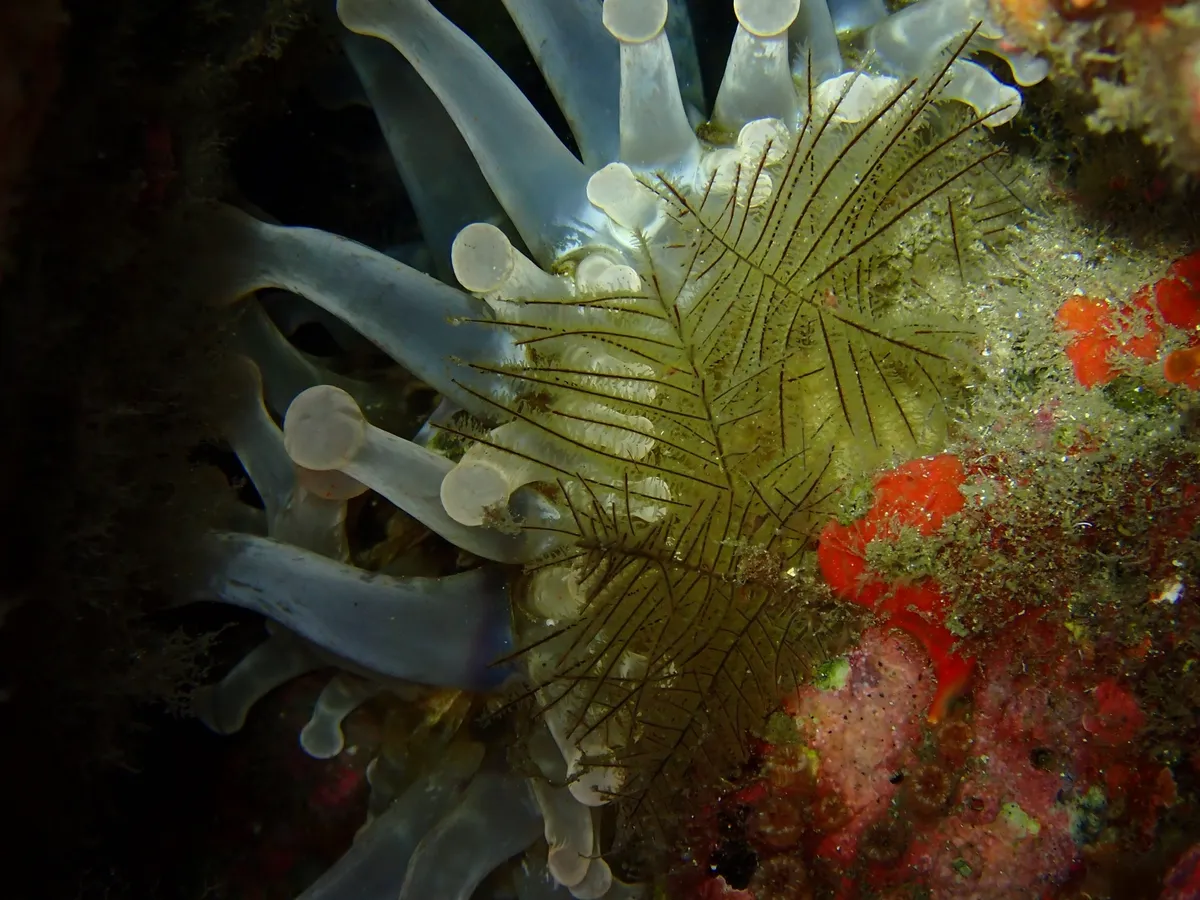
Why the fuss? These waters are home to some truly unique characters, like the black coral Antipathella wollastoni. This isn't your average reef builder; it creates intricate structures that become bustling apartment complexes for all sorts of marine life on the rocky seabeds. And these underwater cities? They're currently under siege from overfishing, climate change, and pollution.
So, these new protected zones are essentially a very large, very necessary 'Do Not Disturb' sign for these vulnerable ecosystems. The public, by the way, has until September 15 to weigh in. Because even ocean protection needs its public comments section.