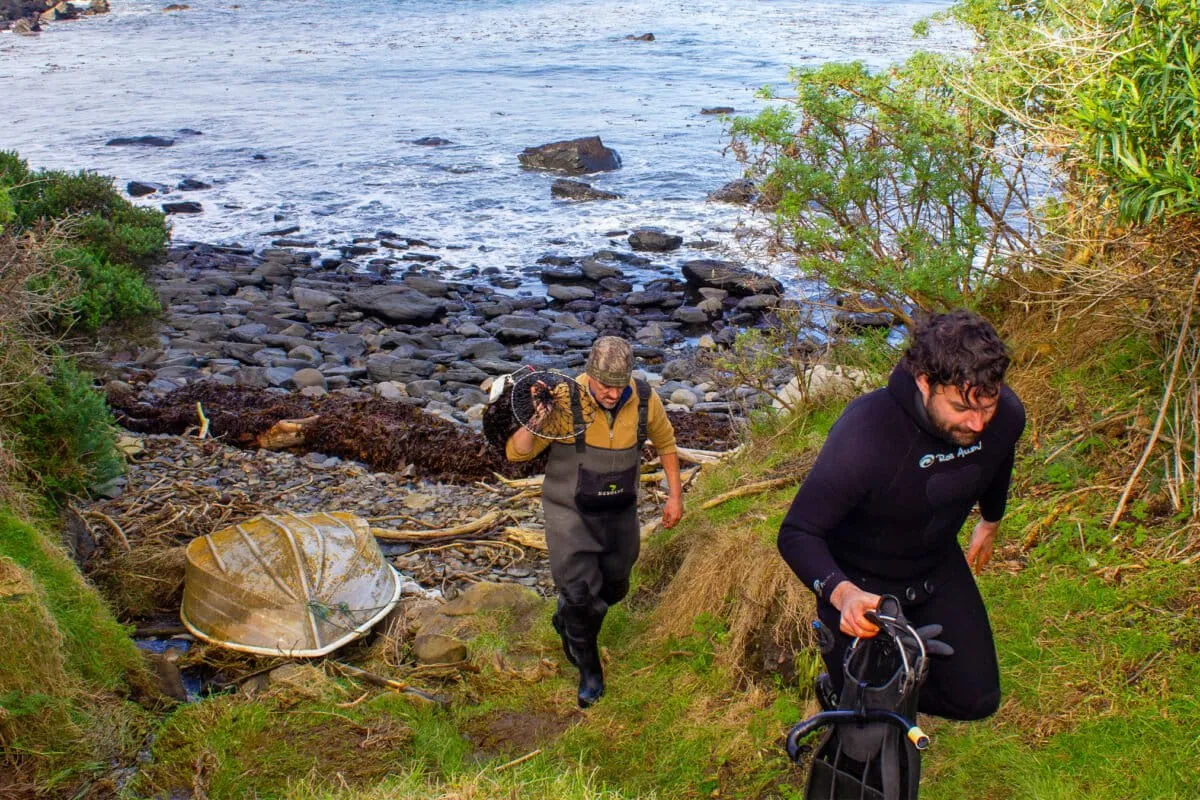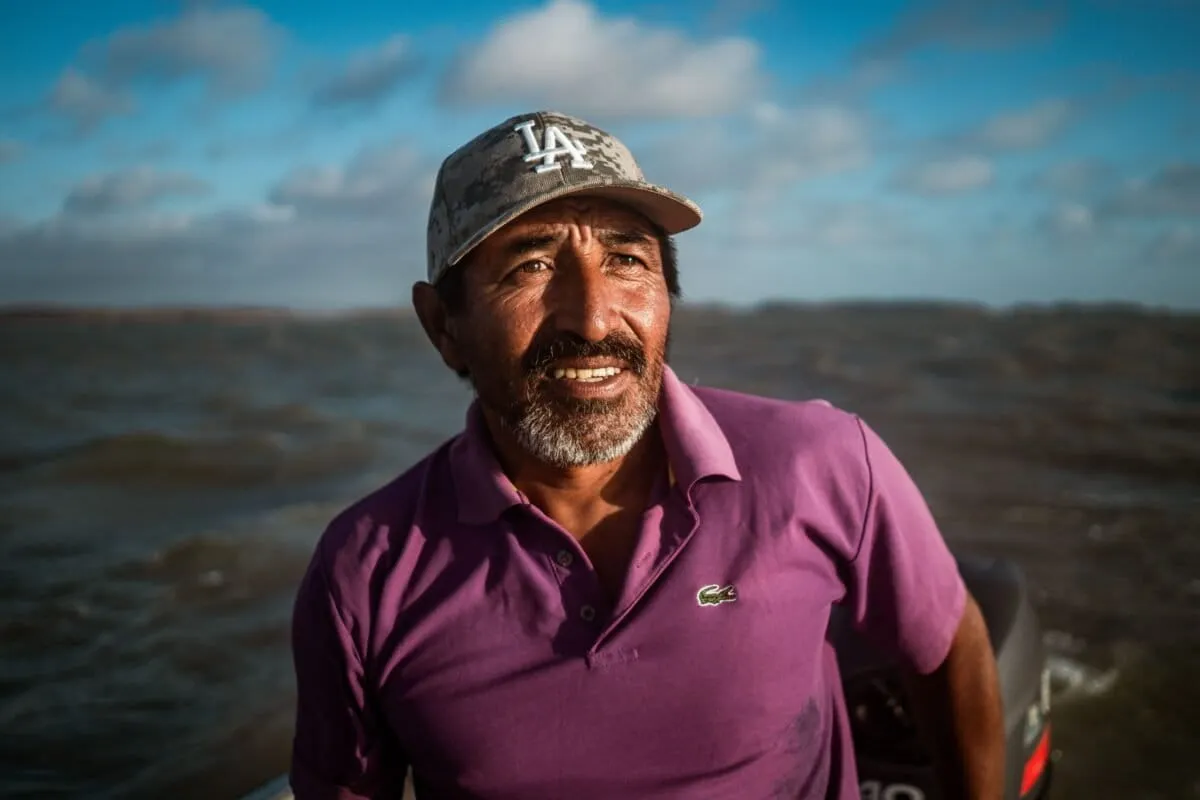
In a remote corner of Colombia, where the Caribbean meets the desert, a 46-year-old Wayuu Indigenous fisher named Wilfrido Arends — or "Caracas" to his friends — is doing something remarkable. His community in Punta Gallinas has traditionally hunted sharks, a practice woven into their diet for generations. But Caracas has seen the writing on the wall, or rather, in the rapidly emptying ocean.
"If we wipe out our sharks, I think that further down the line we will miss them," he observes with the kind of understated wisdom that makes you nod along. Because apparently, even traditional practices sometimes need an update when the future of an entire ecosystem is at stake.
From Hunter to Guardian
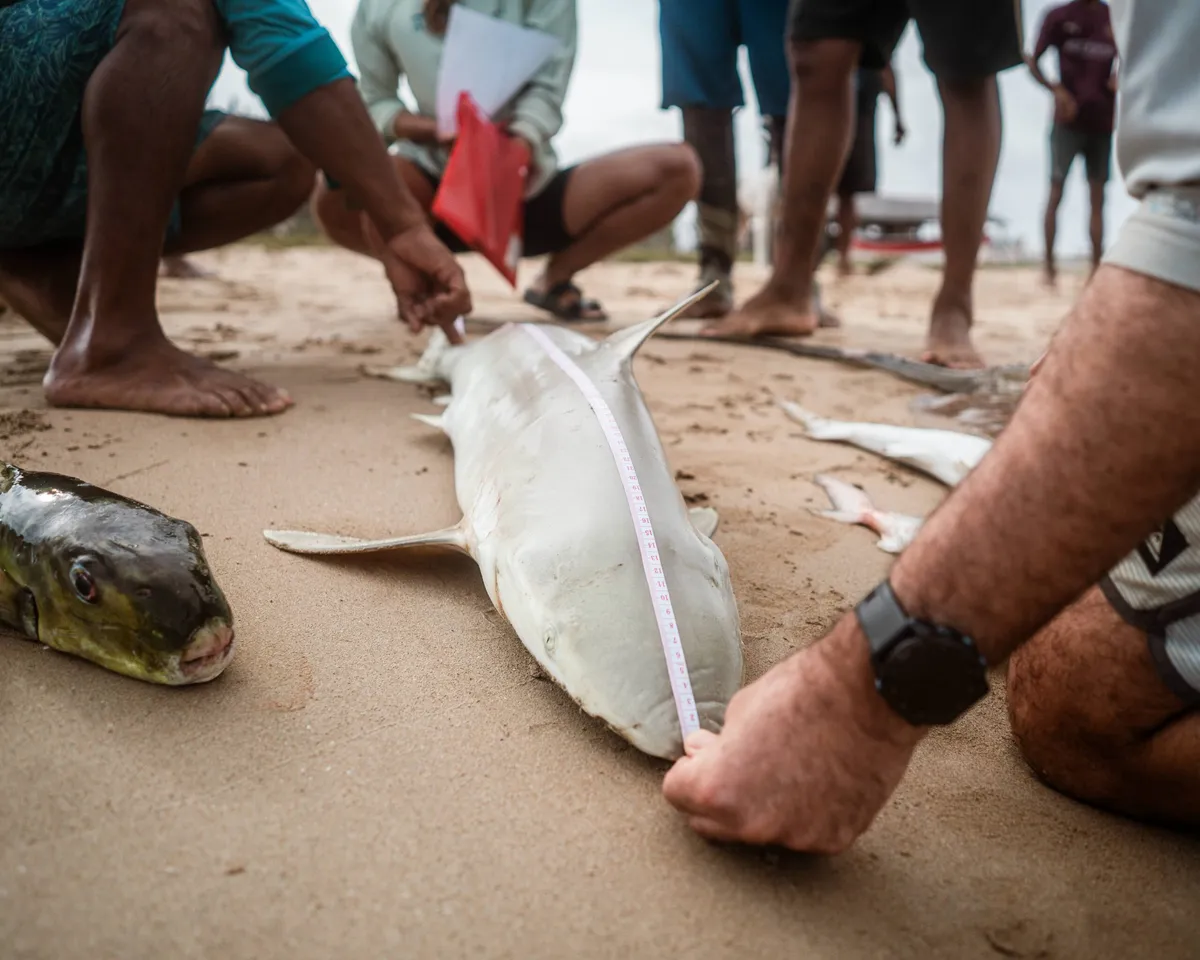
Caracas and his fellow Wayuu fishers have teamed up with Proyecto Puyuii, a Colombian shark conservation group. Their mission? To meticulously document every shark species swimming in the largely uncharted waters of La Guajira. Think of it as a deep-sea census, but with more fins and significantly higher stakes.
We're a new kind of news feed.
Regular news is designed to drain you. We're a non-profit built to restore you. Every story we publish is scored for impact, progress, and hope.
Start Your News DetoxMarine biologist Diego Cardeñosa from Florida International University, a key player in Proyecto Puyuii, put it bluntly: there's "almost no data on anything" in this region. Which, if you think about it, is both a massive challenge and an incredible opportunity. Cardeñosa has been training the Wayuu fishers, teaching them how to identify, measure, and record the sharks they encounter.
This isn't just academic curiosity. This boots-on-the-boat research is crucial for understanding and protecting endangered species like the blacknose shark. By collecting samples and precise measurements, these fishers are transforming from traditional hunters into frontline scientists, gathering data that could literally save these magnificent creatures. It's a powerful reminder that sometimes, the most effective conservationists are the ones who know the water best.