After months of negotiations that felt less like a government meeting and more like a particularly stubborn staredown, Wales has finally appointed an operator for its ambitious new deposit return scheme (DRS).
Meet Exchange for Change, the organization now tasked with wrangling all those plastic, metal, and, yes, glass bottles. They're already set to manage similar programs across the rest of the UK, but Wales decided to throw a curveball: glass. Which, apparently, is where the real fun began.
The Great Glass Debate
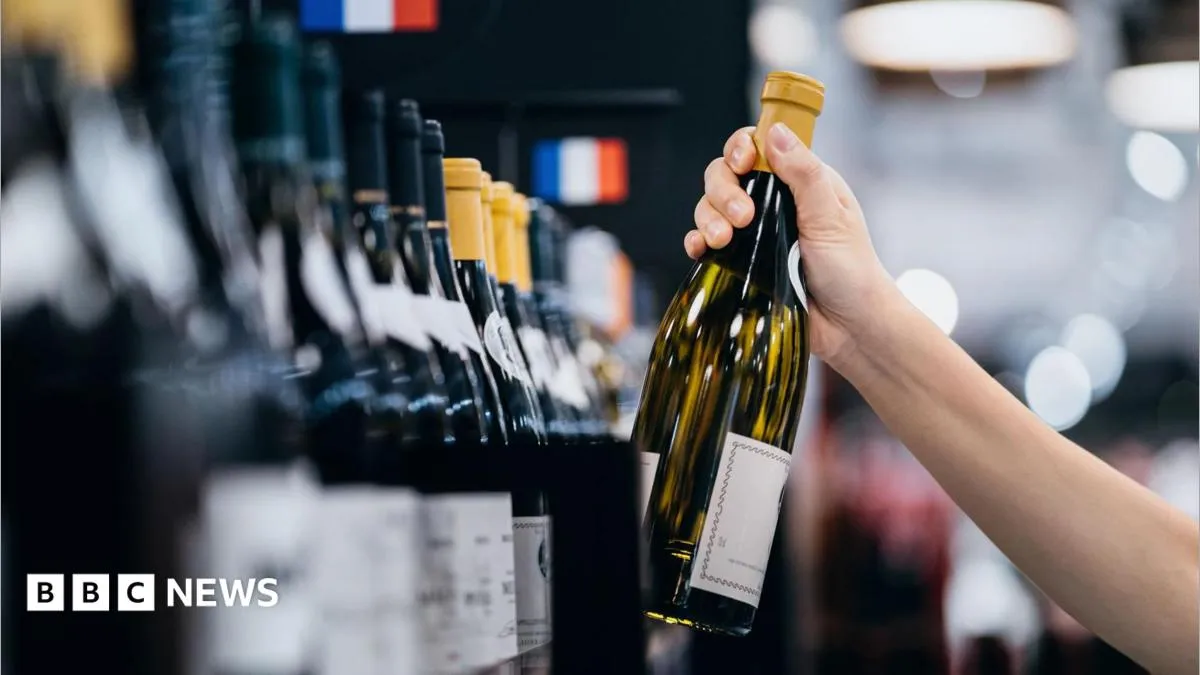
See, while England, Scotland, and Northern Ireland are all doing their own DRS thing, Wales is the only one including glass from day one. This has been a sticking point, to put it mildly, with the drinks industry warning of higher prices and fewer options on shelves. Think of it as adding a whole new level of 'fragile' to an already complex operation.
We're a new kind of news feed.
Regular news is designed to drain you. We're a non-profit built to restore you. Every story we publish is scored for impact, progress, and hope.
Start Your News DetoxSustainability Minister Llŷr Gruffydd called the appointment a "next step," which is probably an understatement given the back-and-forth. Officials and Exchange for Change spent months hammering out details, primarily around how many reverse vending machines would accept glass. The Welsh government initially wanted a cool 3,500. Exchange for Change countered with… 100. That's a rather significant difference in ambition, isn't it?
Gruffydd side-stepped the exact numbers but did offer the reassuring thought that the number of return points would "obviously increase" over time. Because apparently that's how these things work. He also mentioned concessions for smaller producers and retailers, perhaps to soothe those industry-induced headaches.
So, starting October 2027, you'll pay a deposit on your PET plastic, metal, and glass containers. But here's a twist: glass gets a four-year grace period. During that time, it won't need special labels and will have a zero-pence deposit. So, you're returning it, but not for cash, at least not yet. It’s like a warm-up act for proper glass recycling.
Andy Bagnall of the British Soft Drinks Association, clearly relieved, called the appointment a "crucial milestone." But he also issued a polite, yet firm, warning: no more delays. And he pointed out that adding glass is going to make things significantly more complicated. Because, you know, glass breaks. And it's heavy. And it's glass.
Exchange for Change, for their part, sees it as a "transformational opportunity" for waste management. Which, if they can pull off the glass part, might just be true. Now, let's see how many of those 3,500 machines actually materialize.