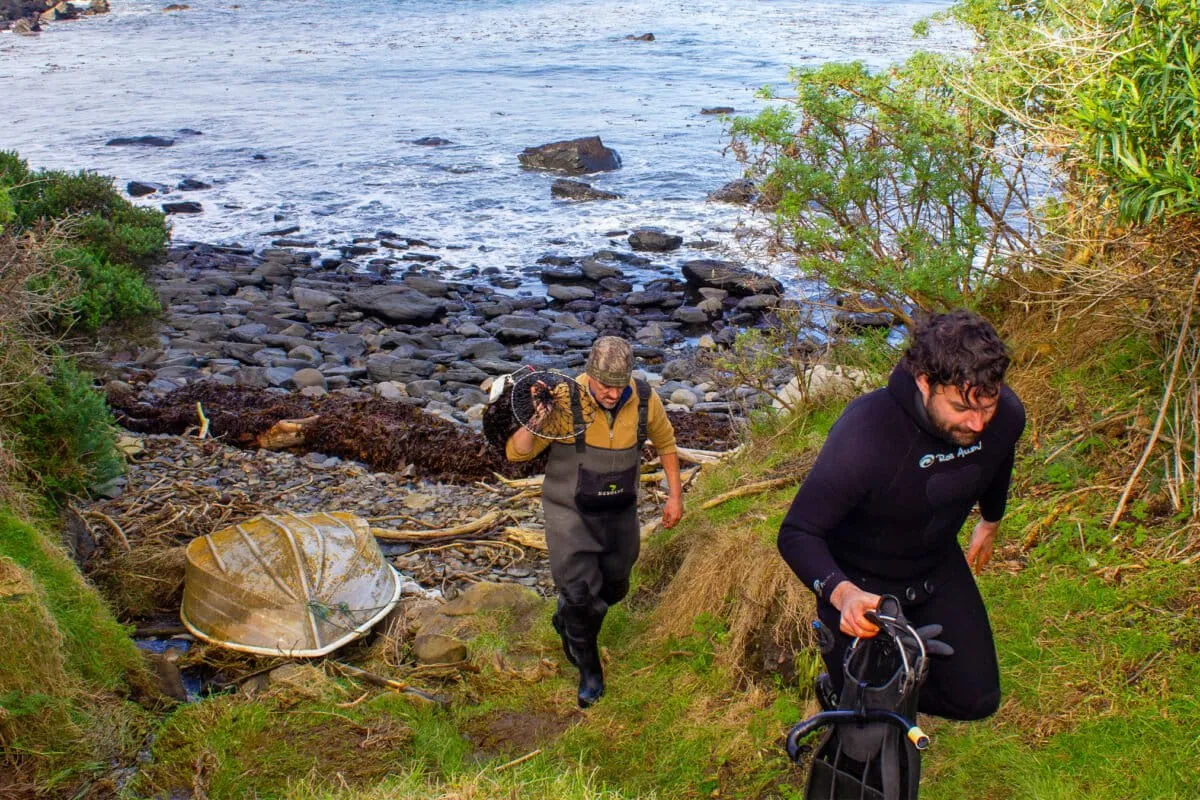
Remember the plan for one of the world's largest marine sanctuaries in New Zealand? The one that spectacularly face-planted because it forgot to ask the people who've been managing those waters for centuries what they thought? Yeah, that one.
Turns out, trying to protect an ocean without respecting Indigenous rights is a bit like trying to bake a cake without flour. It just doesn't work. The grand Kermadec Ocean Sanctuary, announced with much fanfare in 2015, quickly sank when Māori groups pointed out their fishing rights and consultation had been, shall we say, overlooked.
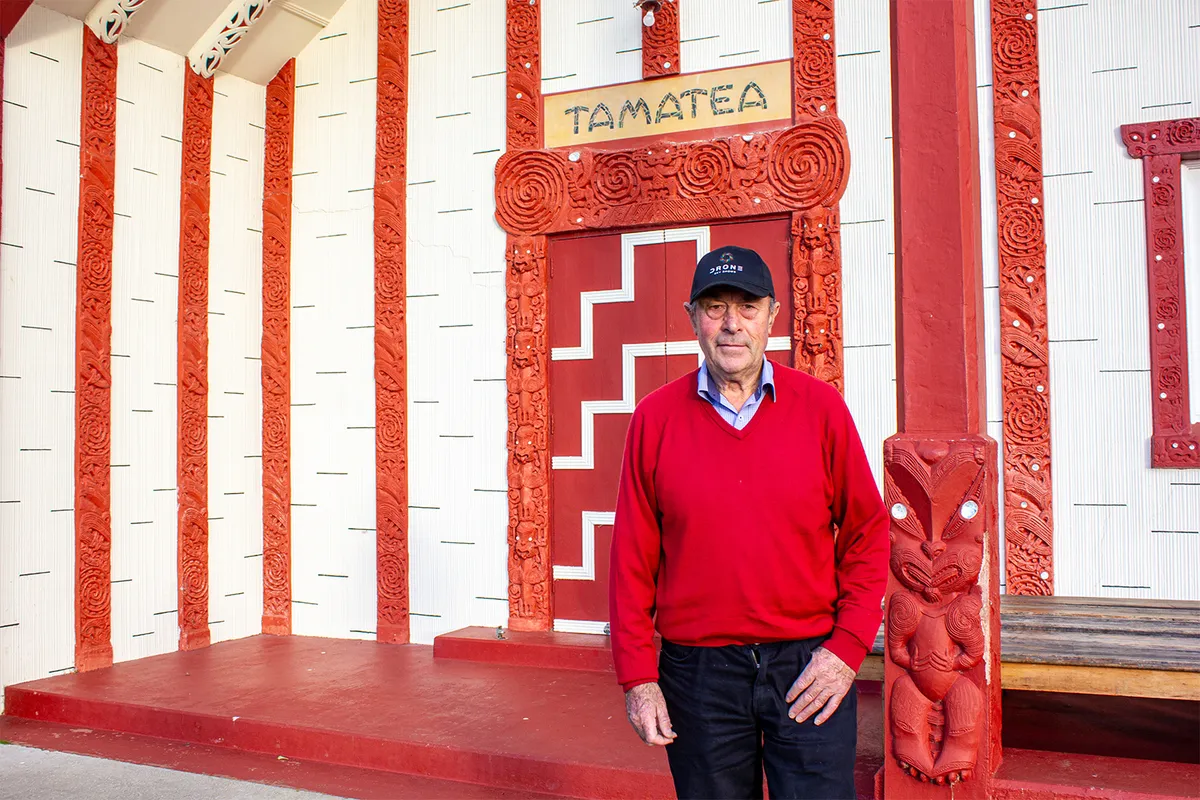
But while that top-down dream dissolved, a much more grounded, and frankly, smarter, approach was bubbling up on the southeast coast. After more than a decade of quiet work, a network of five new marine protected areas (MPAs) officially opened on July 1, 2026. This isn't just about drawing lines on a map; it's about a fundamental shift in how New Zealand protects its waters.
We're a new kind of news feed.
Regular news is designed to drain you. We're a non-profit built to restore you. Every story we publish is scored for impact, progress, and hope.
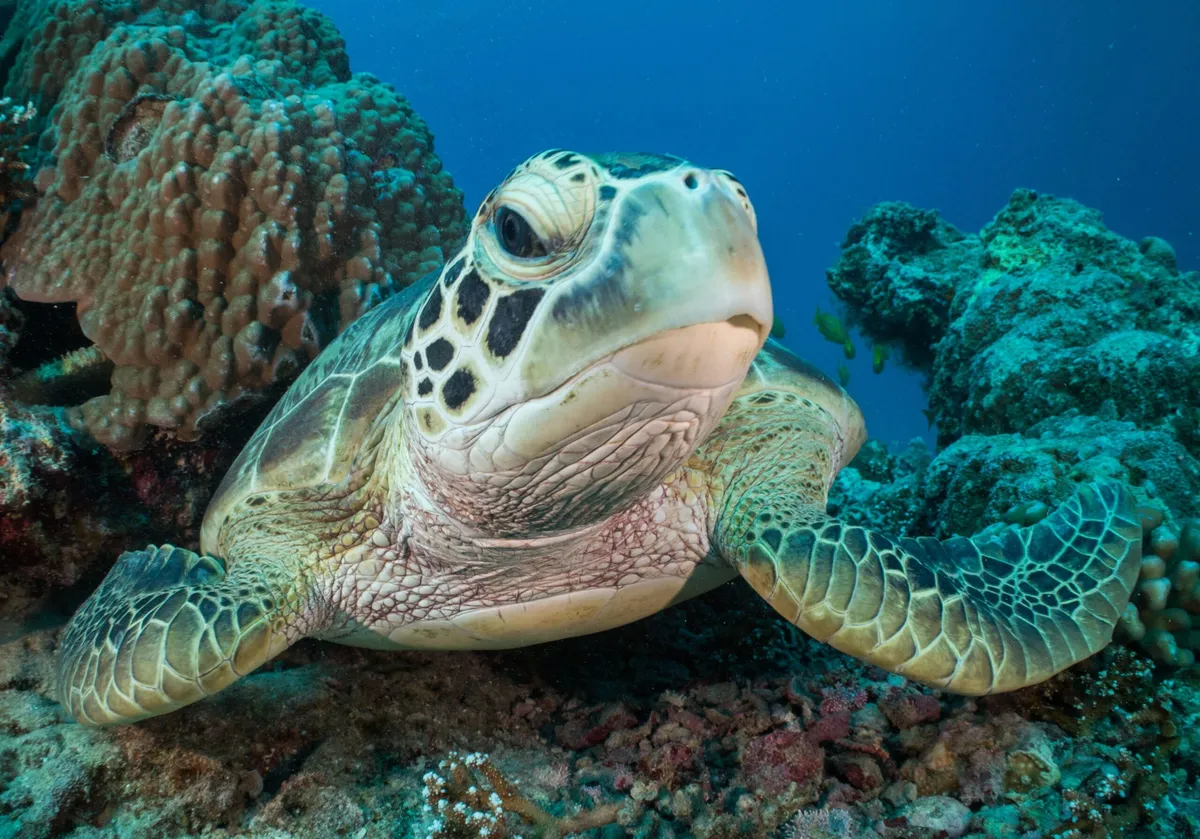
Start Your News DetoxThis new network, beautifully named Te Au Roa o Te Rakihouia, covers everything from critical seabed ecosystems to dramatic offshore canyons, vibrant kelp forests, and ancient rocky reefs. Basically, all the places marine life goes to thrive, chill, and raise a family.
And here's the kicker: these reserves are co-managed by the regional Māori tribe, Kāi Tahu (also known as Ngāi Tahu), and the Department of Conservation. This is a first for New Zealand. It means Indigenous people aren't just consulted; they're at the decision-making table, sharing power, and even running joint teams of marine rangers. Because, apparently, listening to the original experts on the land (and sea) is actually a pretty good idea. Who knew?