In April, BrightCast shared the story of Syrena, a loggerhead sea turtle. She was found struggling to swim in the Gulf of Mexico in 2025.
Tabitha Siegfried, a marine biologist at Florida’s Gulfarium C.A.R.E. Center, documented Syrena’s 92-day recovery. Syrena was healing from a severe case of debilitated turtle syndrome.
Understanding Debilitated Turtle Syndrome
Siegfried explained that the cause of debilitated turtle syndrome is not fully known. It might be due to environmental factors, an infection, or something the turtle ate. The syndrome causes many barnacles, tiredness, and anemia.
We're a new kind of news feed.
Regular news is designed to drain you. We're a non-profit built to restore you. Every story we publish is scored for impact, progress, and hope.
Start Your News DetoxTurtles brought into rehab with this syndrome usually have less than a 25% chance of survival.
Fortunately, Syrena beat these odds. She received fluids, antibiotics, and constant care. She was cleared for release on July 14, 2025.
Siegfried shared on Instagram that she wasn't sure if Syrena would make it. But Syrena showed everyone what resilience looks like.
The Barnacle Removal Process
It has been over a year since Syrena returned to the ocean. Siegfried continues to share details about her rehabilitation. Many people asked why the barnacles weren't removed right away.
Siegfried explained that for a sick turtle like Syrena, doing too much at once can be harmful. When Syrena was rescued, she was very weak and anemic. They needed to stabilize her before removing hundreds of barnacles.
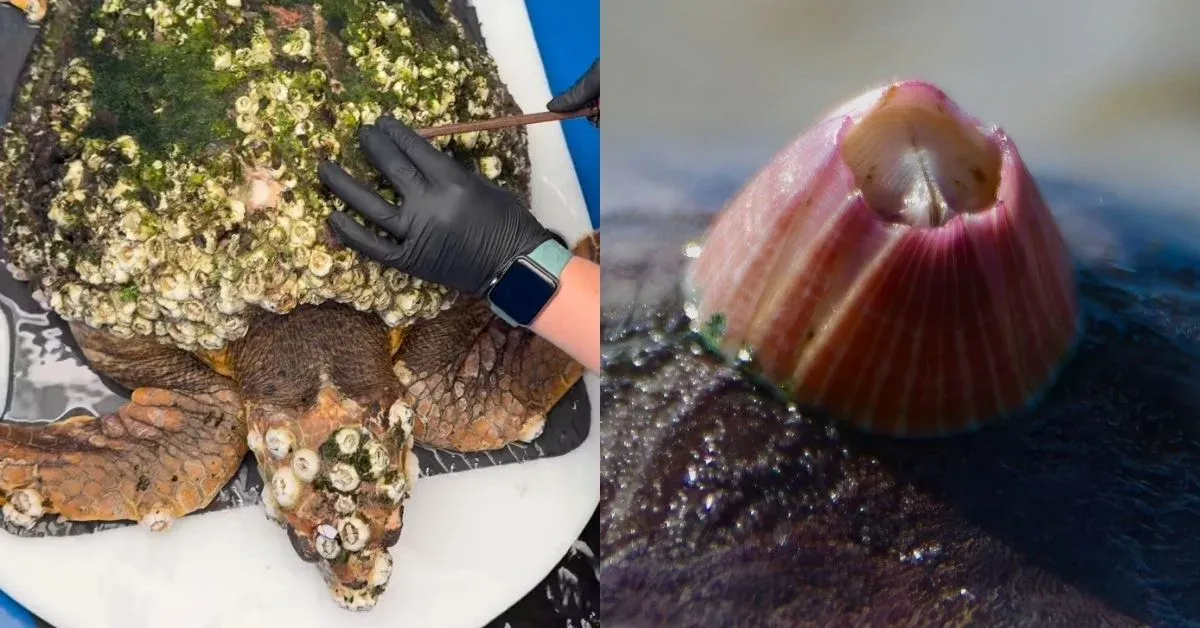
Once Syrena regained some strength, the veterinary staff began removing the barnacles. Siegfried shared this process in a video that has over 5 million views.
Siegfried noted that barnacles weren't the cause of Syrena's illness. However, leaving them too long can cause other problems. Some barnacles attach deeply, trap debris, or create areas for infection. Removing them also helps monitor the shell's healing.
To make the process easier, they first soaked Syrena in freshwater baths. This weakened the barnacles that had been on her shell for months or even years.
Then, they used a flathead screwdriver. Siegfried said it might not look like a medical tool, but it is safe and effective for this job.
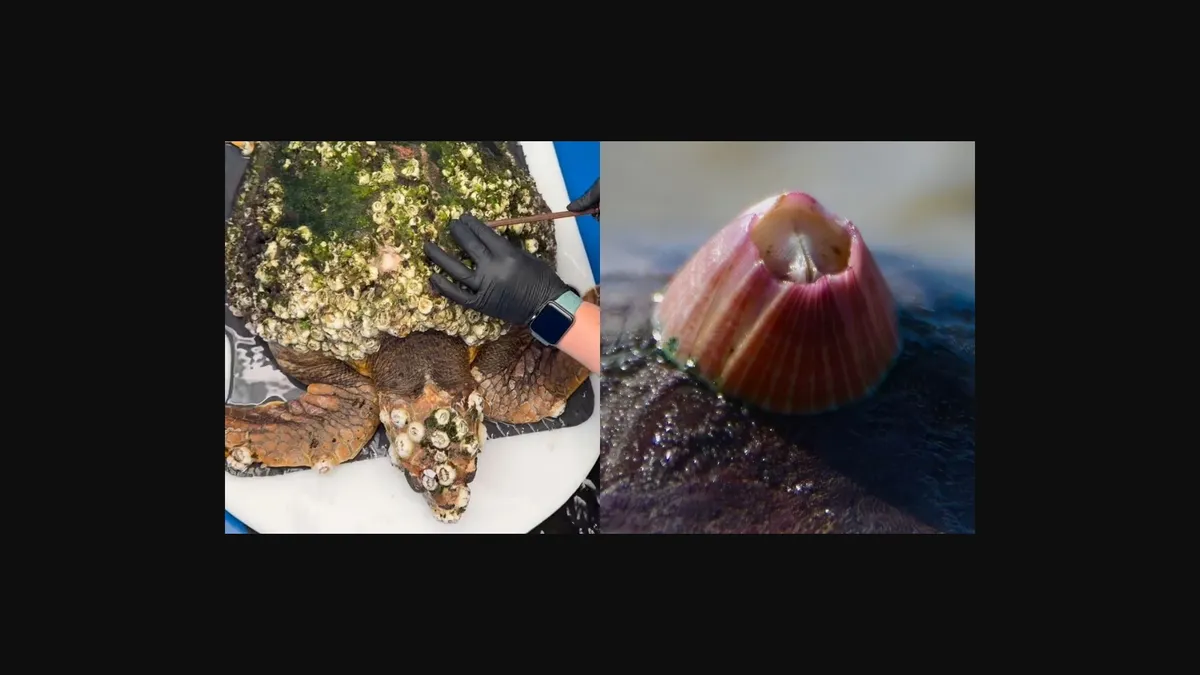
They didn't just rip the barnacles off. Instead, they gently broke the seal by crushing the inside of each barnacle first. This helped release their grip and reduced damage to the shell and surrounding tissue.
In the video, sounds of pops, snaps, and crunches can be heard as sections of barnacles are removed.
Siegfried emphasized that every turtle is different. The timing of barnacle removal depends on the patient's condition. For Syrena, waiting until she was more stable gave her the best chance for a safe recovery.
A Lasting Impact
In the weeks since, Siegfried has continued to share Syrena’s 2025 journey. She also shares stories of other turtles in her care.
Siegfried wrote on August 6 that watching a cared-for turtle disappear into the waves never gets old. Every release reminds them of the hard work from veterinarians, technicians, volunteers, interns, and conservationists. They all believed that one life was worth fighting for.