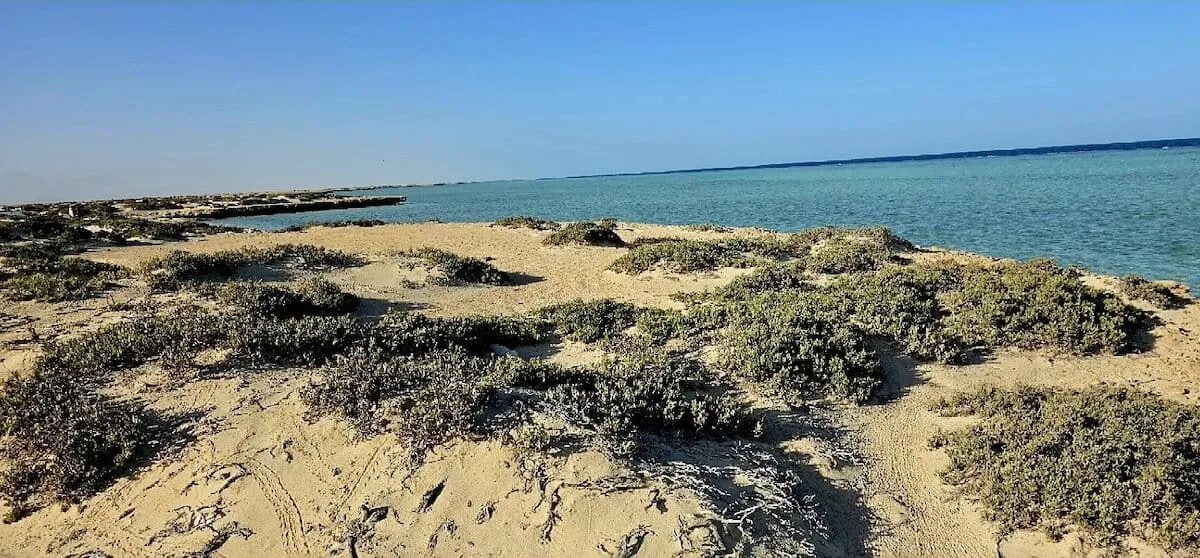
Most of us picture Egypt's deserts as vast, silent stretches of sand and rock — dramatic backdrops for pyramids and archaeological digs. Turns out, we're missing the point entirely. These aren't empty spaces; they're living archives, brimming with ecological history and the kind of knowledge that only comes from millennia of survival.
Think of it this way: for the local communities who've called these arid lands home for generations, the desert isn't just scenery. It's a complex tapestry of hidden water sources, medicinal plants, animal migration routes, and the subtle whispers of seasonal winds. They read the landscape like a book, where every valley, spring, and mountain pass tells a story of adaptation and resilience.
More Than Just Sand and Stones
This isn't just quaint local lore; it's critical ecological knowledge. It's the kind of deep understanding that conservation efforts desperately need. Researchers and park managers trying to protect these unique environments can learn invaluable lessons from the people who've watched them change, used their resources sustainably, and passed down their wisdom through countless generations.
We're a new kind of news feed.
Regular news is designed to drain you. We're a non-profit built to restore you. Every story we publish is scored for impact, progress, and hope.
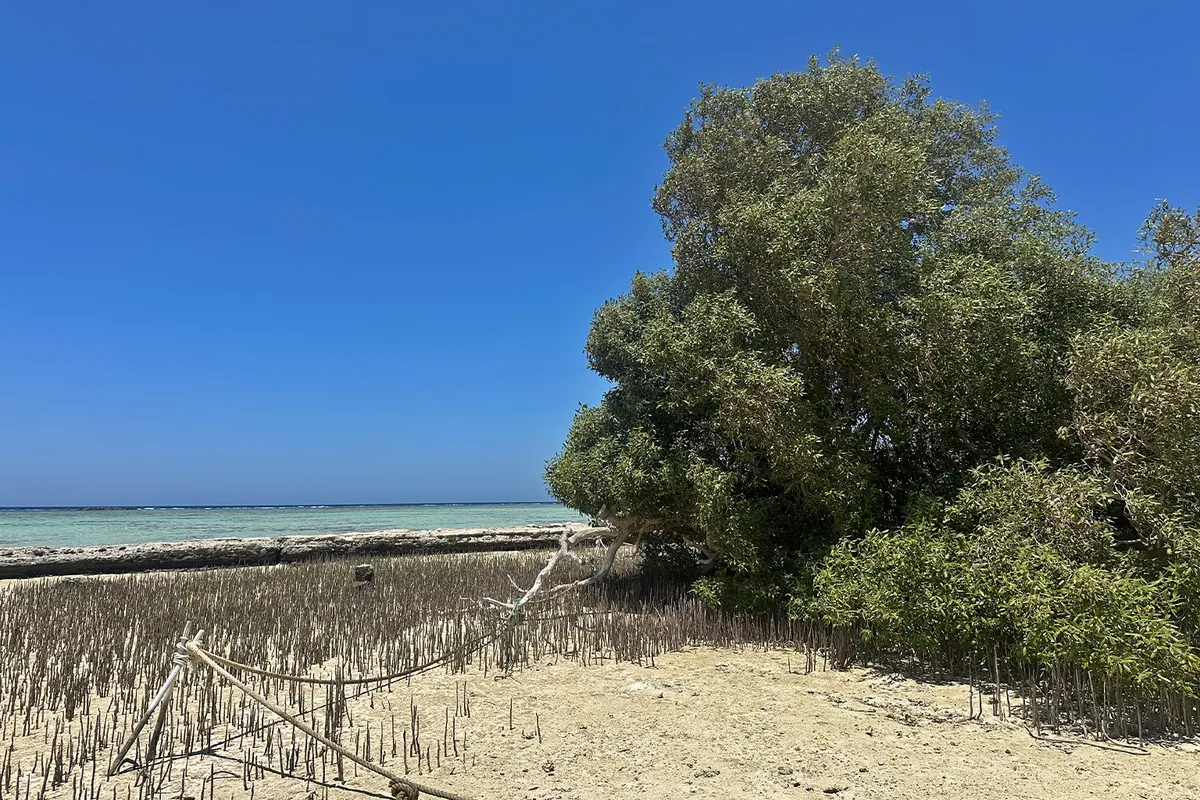
Start Your News DetoxEgypt, with its world-famous ancient monuments, often overshadows its other incredible heritage. We're talking fossil valleys, unique desert flora, coral-rich coastal systems, and vital migration pathways. These aren't just scientific curiosities; they're dynamic systems shaped by both nature and human ingenuity.
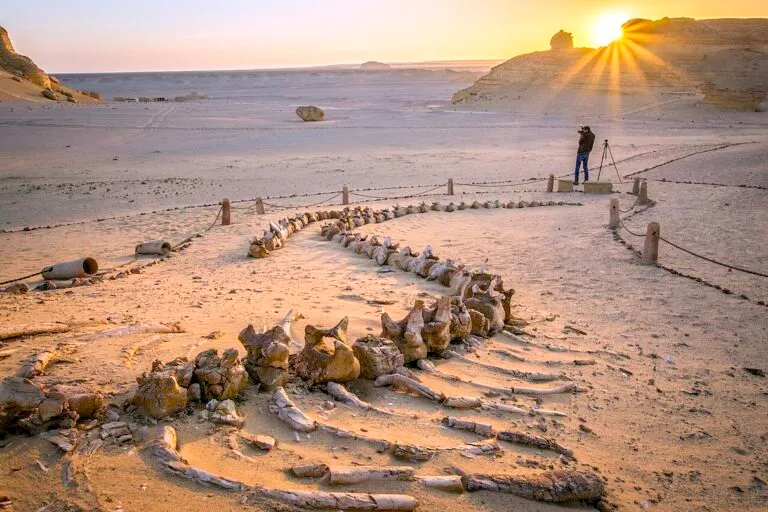
When conservation efforts treat these landscapes as mere scientific sites, separate from the people who live within them, they lose something crucial. They lose the living evidence, the deep connections, and the public relevance that local knowledge brings. Take Wadi Al-Hitan, for example, where visitors flock to see fossil whales. It's an incredible site, but the full story — of ancient seas, dramatic climate shifts, and the desert's slow, powerful erosion — is best understood when you include the human element.
Ignoring this local wisdom is like trying to solve a puzzle with half the pieces missing. The desert isn't just a place to visit; it's a living, breathing testament to how life finds a way, especially when you listen to those who know it best.