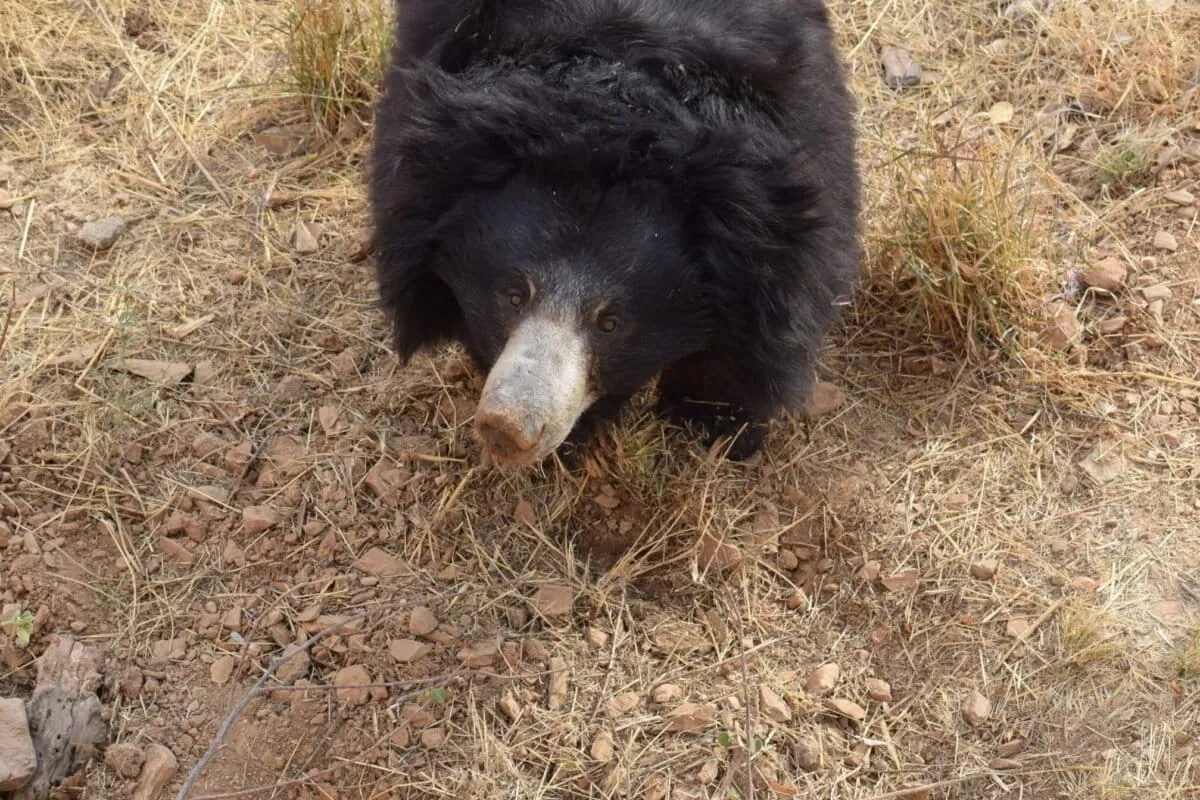
Who knew the secret to a thriving forest in India wasn't just rain, but also a shaggy, ant-loving bear? Researchers in Rajasthan have discovered that sloth bears, those endearing, slightly disheveled creatures, are actually critical architects of India's dry forests. They're not just lumbering through the trees; they're actively shaping what grows back, where, and when.
Think of them as nature's most effective (and hairiest) seed dispersal team. The types of plants that flourish in these areas are directly influenced by where these bears roam, what they munch on, and, crucially, what comes out the other end.

The Bears' Seasonal Menu
To figure this out, scientists went on a surprisingly intimate quest: they analyzed 180 sloth bear droppings (yes, scat) in Rajasthan's Aravalli range between November 2021 and July 2022. Because, apparently, that's where the real diet secrets lie.
We're a new kind of news feed.
Regular news is designed to drain you. We're a non-profit built to restore you. Every story we publish is scored for impact, progress, and hope.
Start Your News DetoxWhat they found was a menu that shifts with the seasons, like a very hairy, very hungry foodie. In winter, it was all about the greens, with over 80% of droppings containing ants – because, why not? Summer brought a protein kick, with termites making a frequent appearance.
One fruit, the donkey berry, proved to be a year-round favorite. But they also had a soft spot for Ziziphus nummularia in the cooler months and, come summer, the rather glamorously named golden shower tree. Which, if you think about it, is both impressive and slightly terrifying.
This dietary flexibility was a bit of a curveball. Previous studies had shown sloth bears in dry regions going heavy on fruits in summer. But these Aravalli bears? They're clearly adaptable, switching to whatever deliciousness is most abundant. And by doing so, they're ensuring the next generation of plants gets exactly where it needs to go.