Europe just sweated through the hottest June on record, which, if you've been outside lately, probably feels less like a surprise and more like a Tuesday. Rivers shrank, energy systems strained, and pretty much everything that wasn't solar power decided to take a much-needed siesta.
Wind farms went limp because there was no wind. Nuclear, gas, and coal plants had to dial back production because the rivers they use for cooling were either too warm or had simply… disappeared. Imagine your critical infrastructure needing a spa day, but the spa is a puddle. That was Europe.
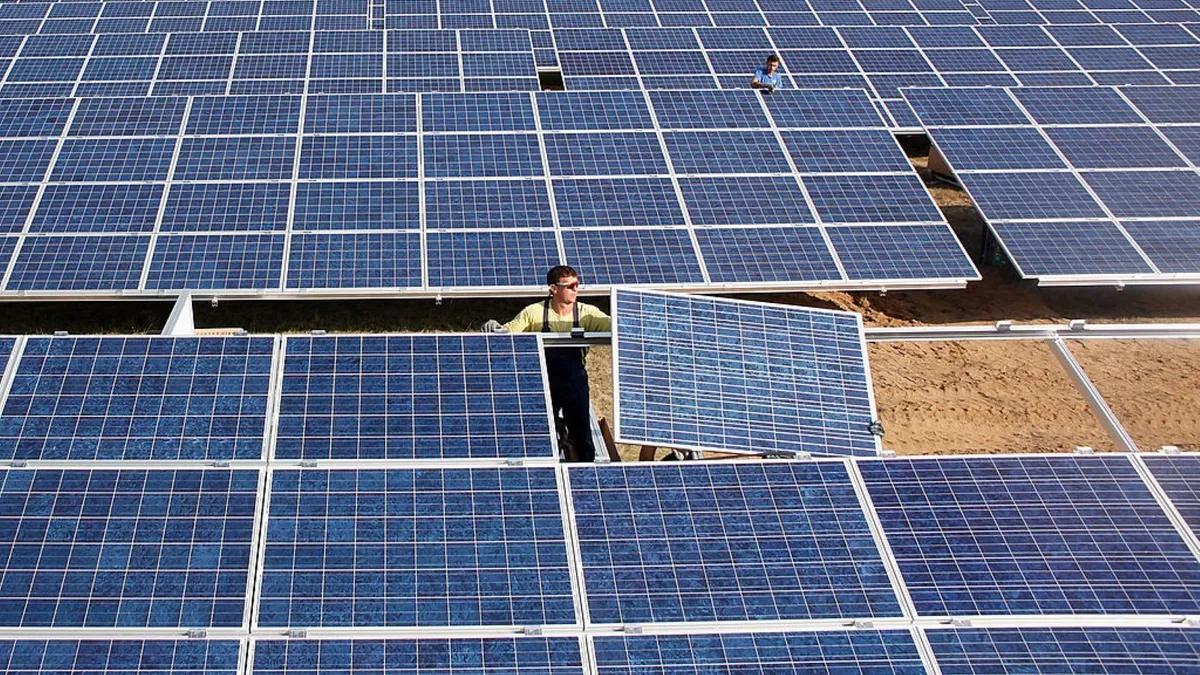
The Unsung Hero: Solar Power
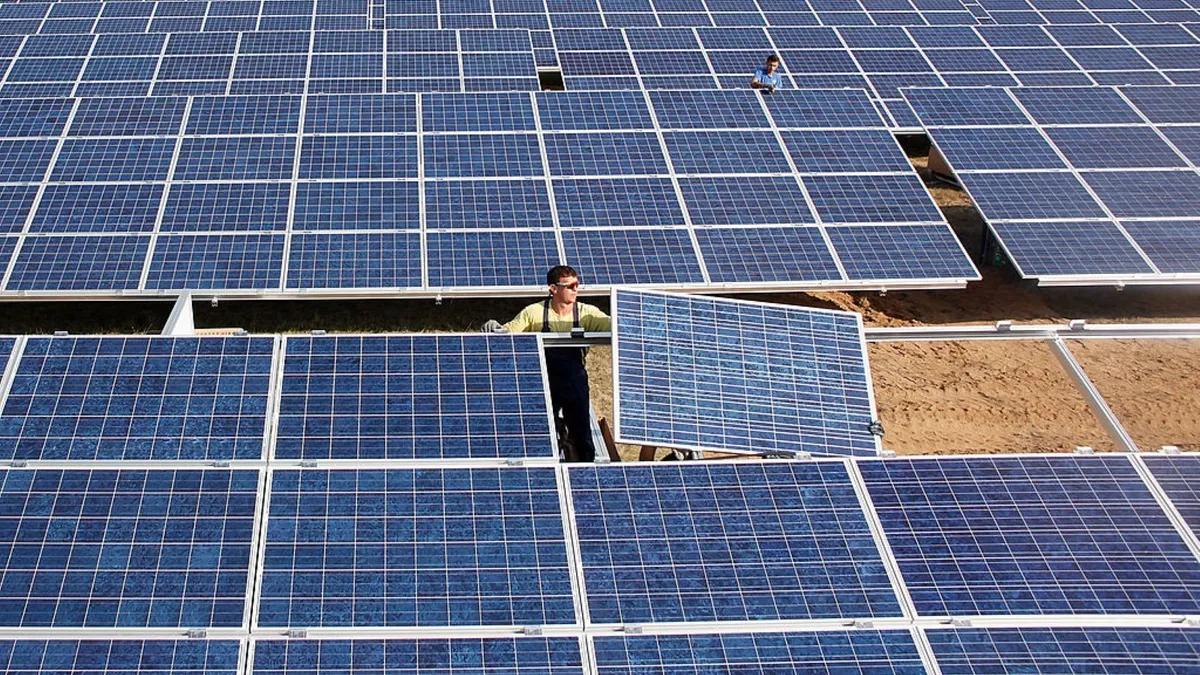
Amidst this meteorological meltdown, one energy source was reportedly flexing: solar. Experts found it was the only major player that actually overperformed during the extreme summer. Paired with batteries, it kept thousands of air conditioners humming when the continent desperately needed them. Because apparently, that's where we are now: relying on sunshine to power the machines that fight the very heat the sunshine brings.
We're a new kind of news feed.
Regular news is designed to drain you. We're a non-profit built to restore you. Every story we publish is scored for impact, progress, and hope.
Start Your News DetoxScientists are still figuring out why we had so many heat waves, but here’s a hint: climate change. One study found June's heat in Western Europe was 200 times more likely now than two decades ago. Let that satisfying number sink in.
When late June hit, Italy's power demand jumped 28% in a week. France saw a 14% spike. Electricity prices soared, hitting highs not seen since the 2022/2023 winter gas crisis. Meanwhile, in the UK, five gas plants cut output by 2.5 gigawatts because their cooling systems couldn't cope, and wind generation was cut in half.
Then there were the rivers. England and Wales had their driest July on record. The Danube, usually a majestic waterway, became so low it started revealing WWII shipwrecks and ancient relics. Hydropower production tanked. France, which relies heavily on nuclear power, lost 18% of its nuclear capacity in mid-July because its plants use river water for cooling. French law, quite sensibly, limits how warm that discharged water can be to protect aquatic life. So, warm rivers mean less cooling, which means less power.
But solar? Solar loved it. Clear, sunny days are its jam. European solar panels produced 17% more power during the heat waves than usual, helping to stabilize the grid as afternoon AC demand peaked. Batteries then stepped in to deliver that solar power into the evening, when the heat lingered and people just wanted to get some sleep.
Walburga Hemetsberger, CEO of SolarPower Europe, noted that the evening period is the next big challenge. Temperatures stay high, AC demand stays high, and solar production… doesn't. Which is why batteries are becoming less of a luxury and more of a "please, for the love of all that is cool, give us more batteries."
The Future's Looking Bright (and Stored)
Despite the grid's struggles, Europe's cooling demand has plenty of room to grow. Only about half of Italian and Spanish households have AC, and a quarter in France. Compare that to 90% in the US. Even France's Ecologist Party, which once opposed AC due to emissions, now admits that in some places, it’s simply essential. Because, you know, not dying of heatstroke.
France's state utility plans to invest over $10 billion in the next 15 years to adapt its nuclear and hydropower plants to warmer temperatures and lower water availability. They'll even install equipment to cool the water nuclear plants discharge. Because if you can't beat the heat, you might as well try to out-engineer it.
Solar and battery installations are already surging across Europe. In 2025, 36 gigawatt-hours were installed, a 48% increase from the previous year. Battery installations saw their twelfth straight year of growth. Beatrice Petrovich, an analyst at Ember, sums it up: those extreme price spikes were a clear signal. Treat this summer as a turning point for energy storage. Because if there's one thing we can count on, it's that next summer will probably be just as absurd.