Imagine a crystal so powerful, it could help us harness the energy of a star right here on Earth. No, this isn't a plot point from a sci-fi movie; it's a very real, very large crystal recently grown by a North Carolina company.
SYNOPTICS, a division of Northrop Grumman, has managed to cultivate a crystal of ytterbium-doped yttrium lithium fluoride (try saying that five times fast – or even once). This isn't just any pretty rock; it's a critical component in high-energy laser systems, designed to amplify light and create powerful laser beams. The new crystal is three times larger than previous versions, which, if you think about it, is both impressive and slightly terrifying.
Lighting Up Fusion
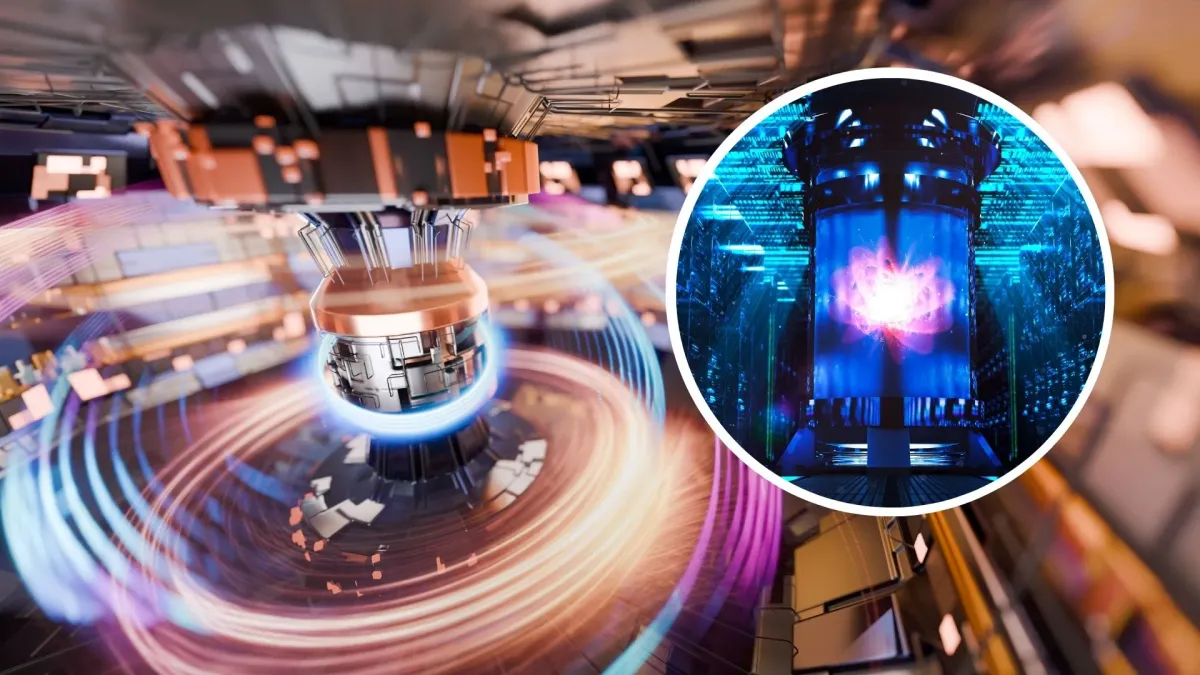
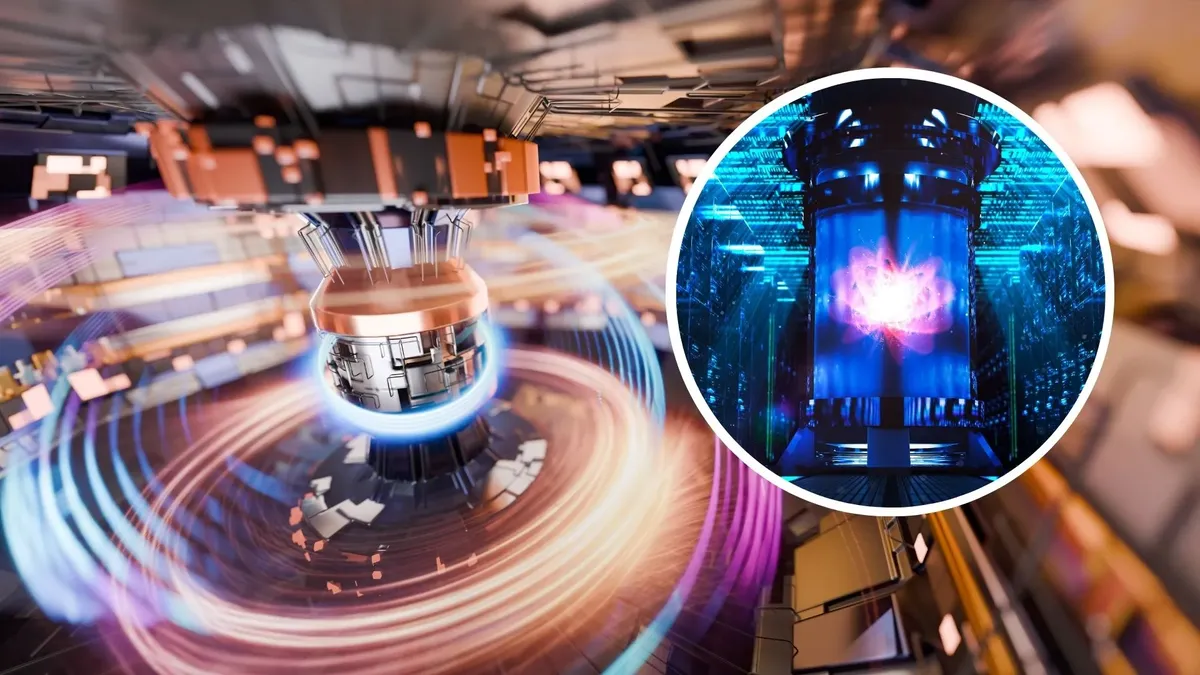
So, what's all the fuss about a big crystal? It's all about fusion. Specifically, inertial confinement fusion, which requires absolutely massive laser systems. These systems are the closest thing we have to building a miniature sun, and they need equally massive crystal "boules" (which sounds a lot more glamorous than "big chunk of crystal").
We're a new kind of news feed.
Regular news is designed to drain you. We're a non-profit built to restore you. Every story we publish is scored for impact, progress, and hope.
Start Your News DetoxParts from this record-breaking crystal are heading to Germany’s Deutsches Elektronen-Synchrotron (DESY) for inertial fusion energy research. Dr. Kevin Stevens, general manager at SYNOPTICS, called it a "landmark moment," which in science-speak means "we just did something really, really cool."
DESY is part of the aptly named IFuEL consortium (Inertial Fusion Energy Laser Development and HED Analytics). Their mission? To build a new generation of laser technology that's more efficient, scalable, and reliable. The goal is a 200-Joule-class laser module, which could become a building block for future fusion laser drivers. All made possible by SYNOPTICS's super-sized, high-quality crystals.
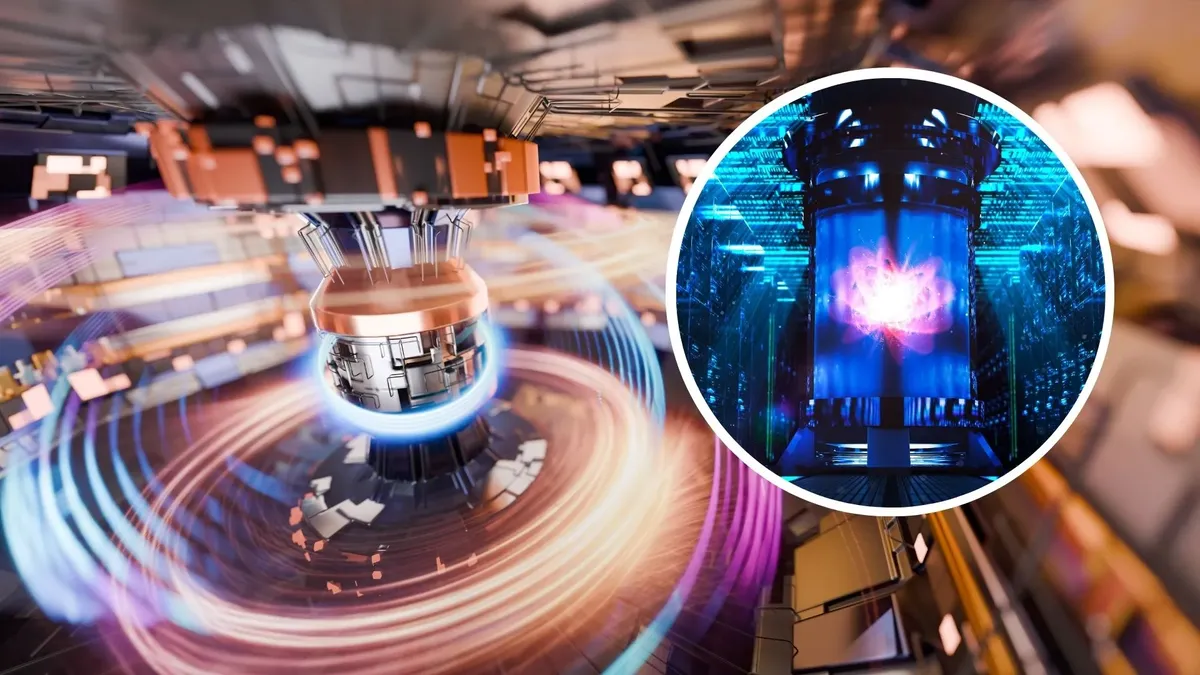
Now, when a laser system runs at high power, it generates a lot of heat. Too much heat, and your laser starts distorting, losing efficiency, or worse, damaging itself. These advanced crystal materials are crucial for managing that heat, ensuring the laser stays on target and doesn't melt down.
While the immediate focus is clean energy, the technology also has implications for defense research, particularly in directed-energy systems. Because, apparently, controlling miniature suns has more than one application. Who knew?