Even though autism has many different genetic causes, new research shows that several high-risk genetic changes lead to similar shifts in developing brain cells. This discovery points to shared biological pathways that happen at specific times. These pathways might explain why various genetic mutations can result in similar features of autism.
Hundreds of genes are linked to autism, but scientists don't fully understand the exact processes in cells and molecules that cause the condition. A new study in Nature, led by Gaia Novarino at the Institute of Science and Technology Austria (ISTA), is a big step toward understanding these processes. This could help create new treatments.
Gaia Novarino, a professor at ISTA, explained that autism spectrum conditions (ASD) are neurodevelopmental disorders. These include conditions like epilepsy or intellectual disability. The changes start early in brain development. The first signs often appear in early childhood and can last a lifetime.
We're a new kind of news feed.
Regular news is designed to drain you. We're a non-profit built to restore you. Every story we publish is scored for impact, progress, and hope.
Start Your News DetoxFinding Common Autism Mechanisms
A major question in autism research is whether the many genetic causes of ASD ultimately lead to the same biological changes in the brain. Lena Schwarz, an ISTA alum, worked with researchers from ISTA, the Medical University of Vienna, the University of Vienna, and CeMM to explore this.
Autism's genetic basis is very complex. Some cases come from rare changes in single genes, while others involve many genetic factors. Schwarz noted that this makes the biology much more complicated.
For her PhD, Schwarz studied if different autism-related mutations affect brain development in similar ways. The team compared molecular changes across several genetic models and developmental stages. They looked for both shared biological pathways and changes unique to each mutation.
Schwarz explained they wanted to see if different genetic causes of autism could still lead to similar effects, and where they differed. Answering this required analyzing a huge amount of data.
New Technology Reveals Brain Cell Changes
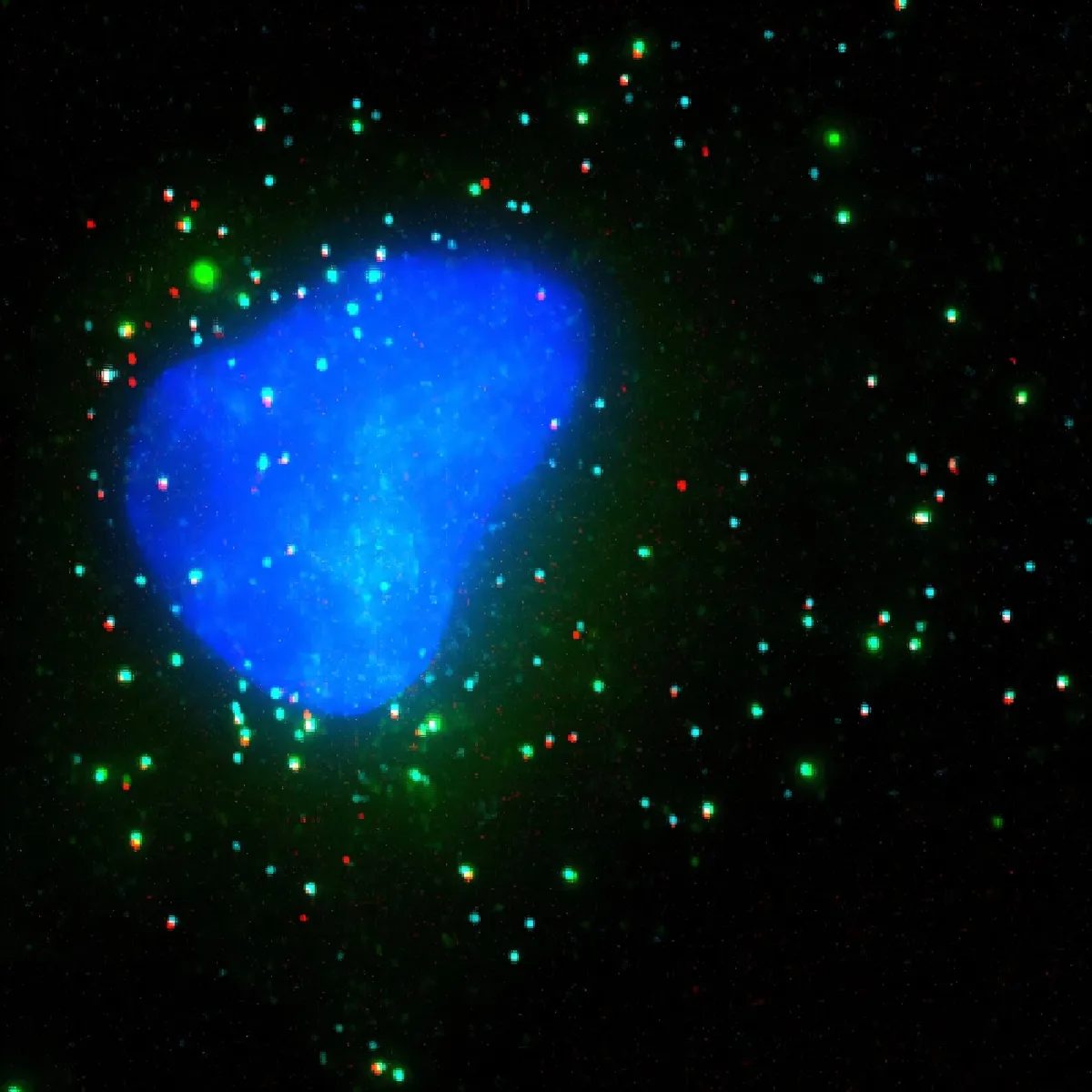
This kind of study wasn't possible ten years ago. New technology allowed researchers to use single-nucleus multi-omics sequencing. This method looks at several types of information within individual brain cells.
"Single nucleus" means studying the cell's nucleus, which holds its DNA. Since the brain has many cell types, looking at individual nuclei helps researchers find specific cell types and understand what's happening inside each one.
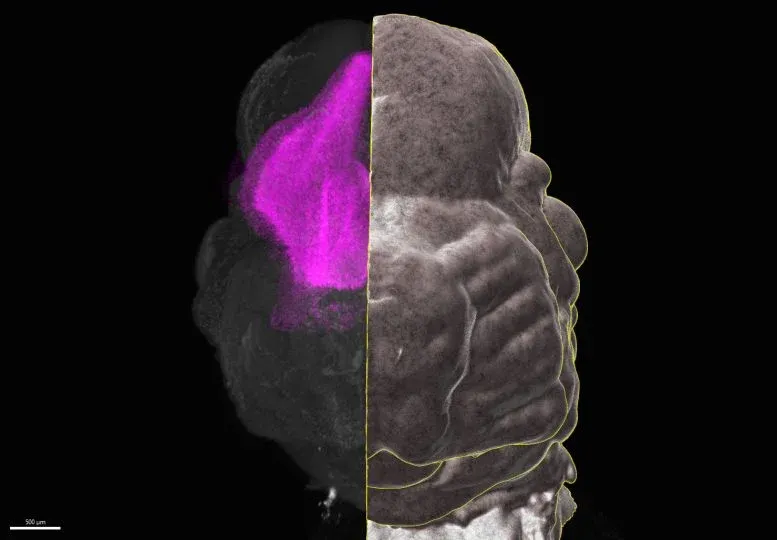
The "multi-omics" approach combines different biological data. This includes DNA, RNA activity, and the epigenome. The epigenome involves chemical changes that control whether genes are active or inactive.
This method gave the team a much clearer picture than older tissue analysis. By studying individual cells, they could see which mutations affected certain cell types and how autism-related genes acted throughout the brain.
Shared Patterns in Autism Development
Schwarz analyzed over 250 samples. These samples represented high-risk ASD genes from two brain regions in both male and female mice at different developmental stages.
Even though each genetic model affected different genes, many disrupted the same brain cell types and molecular pathways. This was especially true during early brain development. However, each model also kept its own unique molecular pattern.
Most differences were temporary delays in cell maturation and forming neural connections, not permanent damage. Many of these changes started to disappear about two weeks after birth.

The researchers also saw that changes in brain activity matched the molecular changes they measured. Additionally, female mice reacted differently to autism-linked mutations than male mice.
Promising Stage-Specific Autism Therapies
Because ASD has so many genetic causes, it's unlikely that one treatment will work for everyone. The Novarino group's findings show common changes in brain cells across different forms of autism. This highlights shared developmental pathways that could be targets for early therapies.
Novarino explained that their findings support therapies that are specific to the developmental stage, sex, and genetic path. Instead of looking for one universal treatment, they need to consider when to intervene, the individual's biological sex, and their specific genetic and molecular journey.
Understanding what happens in the brains of people with autism helps deepen knowledge of human brain development. It also brings scientists closer to being able to truly support these individuals.
Deep Dive & References
Cortical development dynamics across autism spectrum disorder mouse models - Nature, 2026