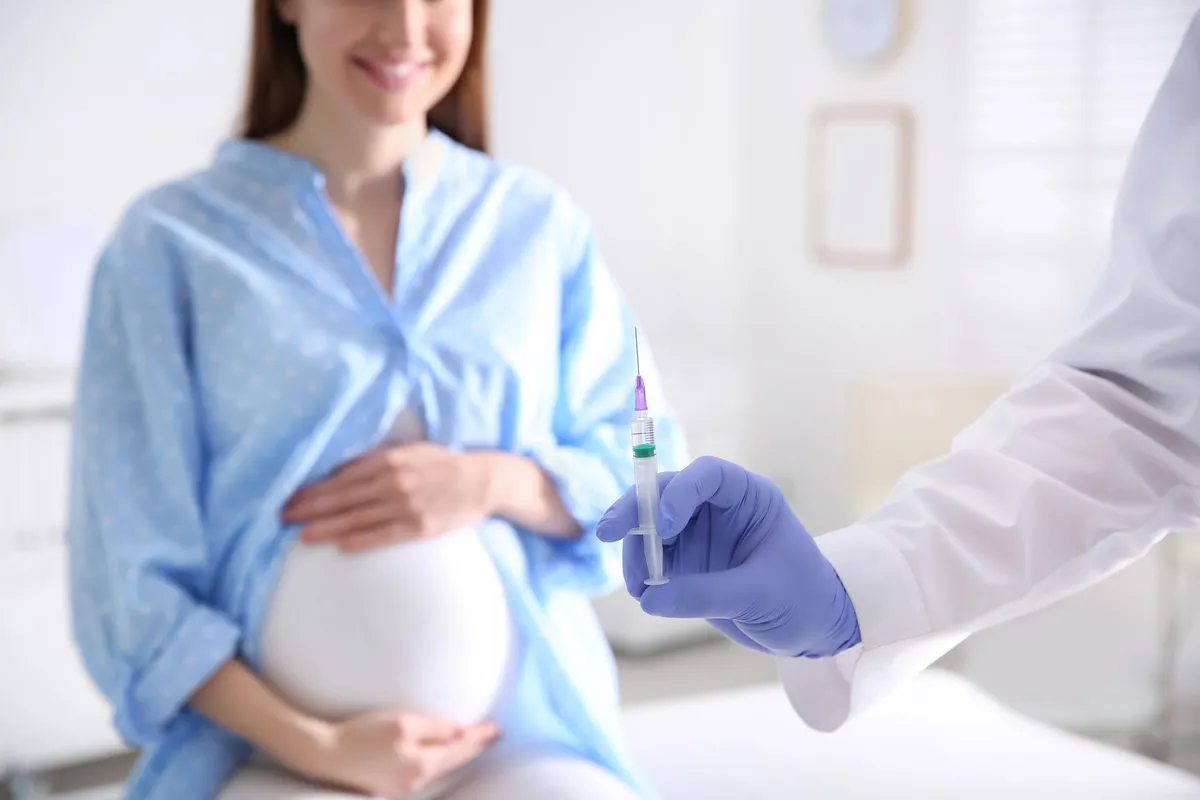
Good news out of the UK, where a new RSV vaccination program for pregnant women just pulled off a rather impressive feat: cutting the number of newborns needing intensive care for RSV infection by half. Last winter, a mere 63 infants found themselves in the ICU battling RSV, a sharp drop from 131 the year before. Let that satisfying 52% reduction sink in.
How It Works: A Tiny, Mighty Shield
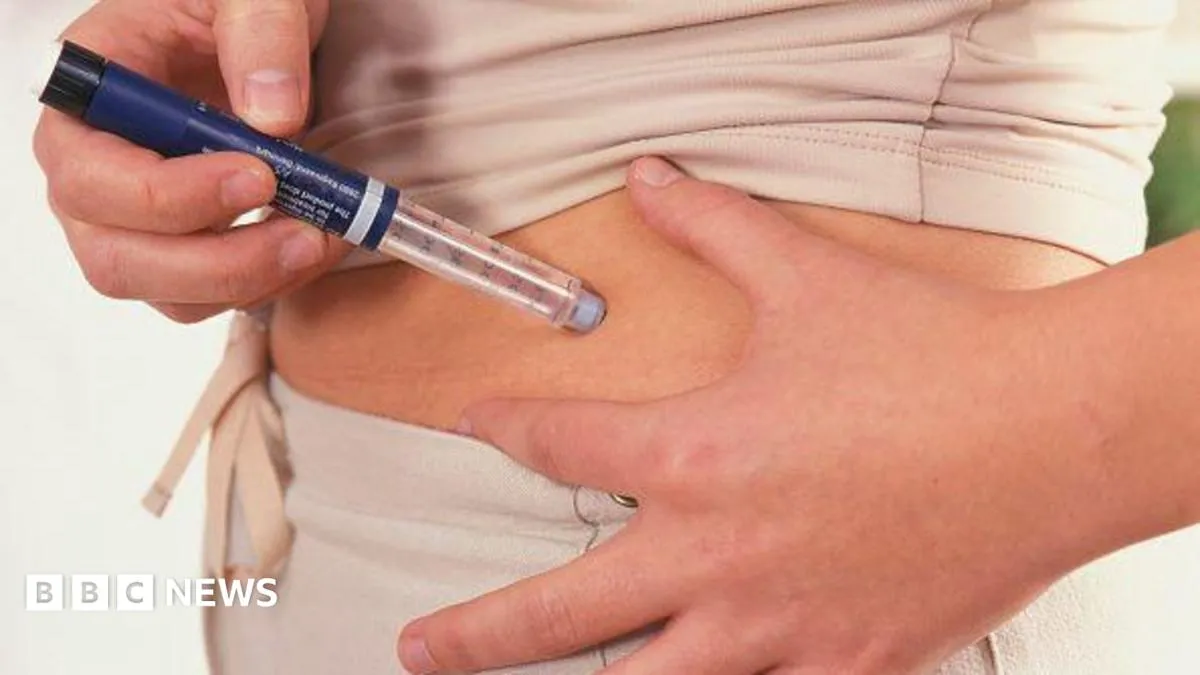
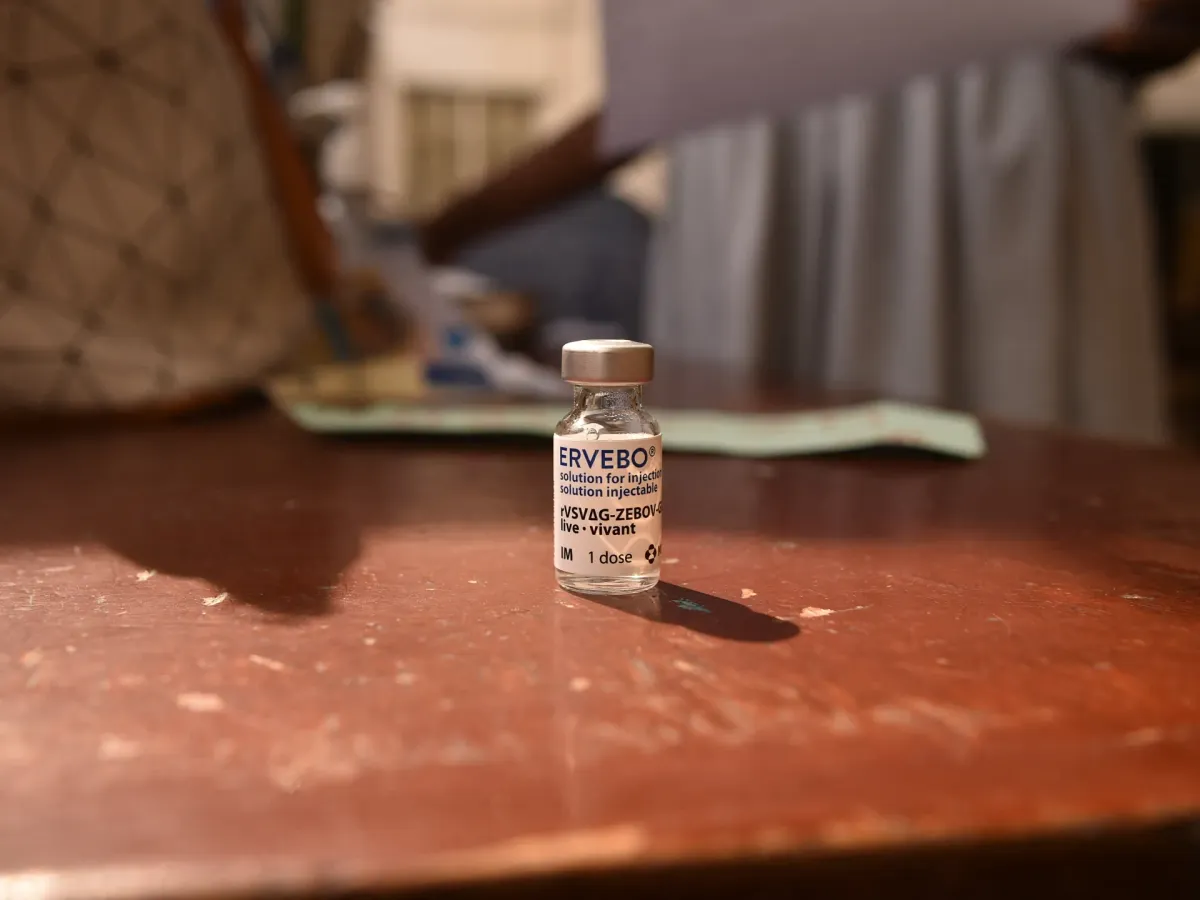
The idea is elegantly simple: vaccinate pregnant women, and their antibodies — those microscopic superheroes — transfer to the unborn baby. By the time the little one arrives, they've got a ready-made shield against severe RSV infection. The program kicked off in September 2024, and the winter of 2025/2026 was the first real litmus test for its impact on tiny hospitalizations. Turns out, it passed with flying colors.
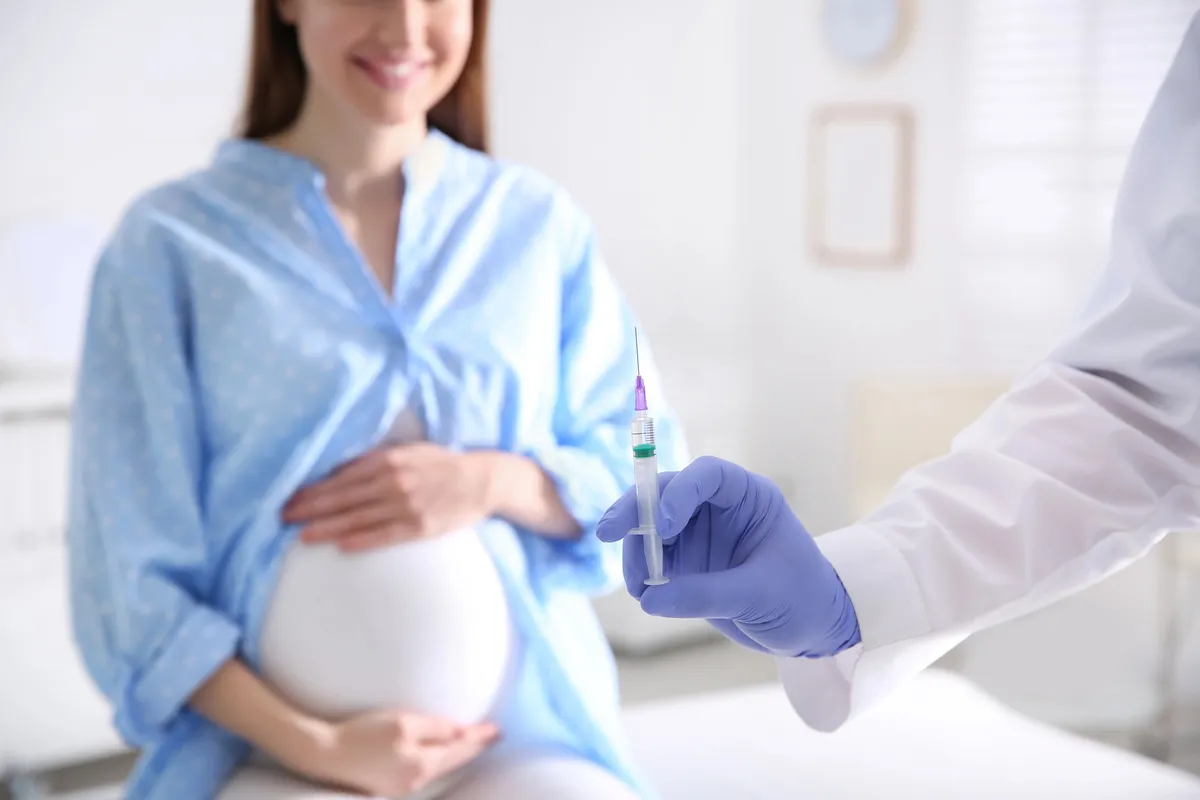
Now, about 61.7% of pregnant women got the jab between March 2025 and February 2026. Which is a solid start for a debut year. But it also means roughly four in ten pregnant women skipped it, leaving thousands of newborns a bit more vulnerable each winter. Stephen Tomlin, a clinical lead in neonatal pharmacy, made the very sensible point that every chat with a healthcare professional is a chance to talk about this tiny, mighty shield. And Ashifa Trivedi, another neonatal pharmacist, added that fairness is key — ensuring everyone gets the info needed to make an informed choice.
We're a new kind of news feed.
Regular news is designed to drain you. We're a non-profit built to restore you. Every story we publish is scored for impact, progress, and hope.
Start Your News DetoxWhy Half Matters
Tracking ICU admissions isn't just about numbers on a spreadsheet; it’s about the true severity of a disease. Halving these admissions means fewer newborns on ventilators, fewer parents spending their winter holidays in a hospital waiting room, and generally less terrifying uncertainty for new families.
RSV, for those unfamiliar, is the top reason infants end up hospitalized in their first year. While most babies bounce back, it can escalate quickly to respiratory failure in the under-six-months crowd, especially preemies. The vaccine isn't a magic force field that stops babies from catching RSV altogether. Instead, it arms them with enough maternal antibodies to turn a potentially severe infection into something much milder. Which, if you think about it, is a pretty brilliant bit of biological engineering.