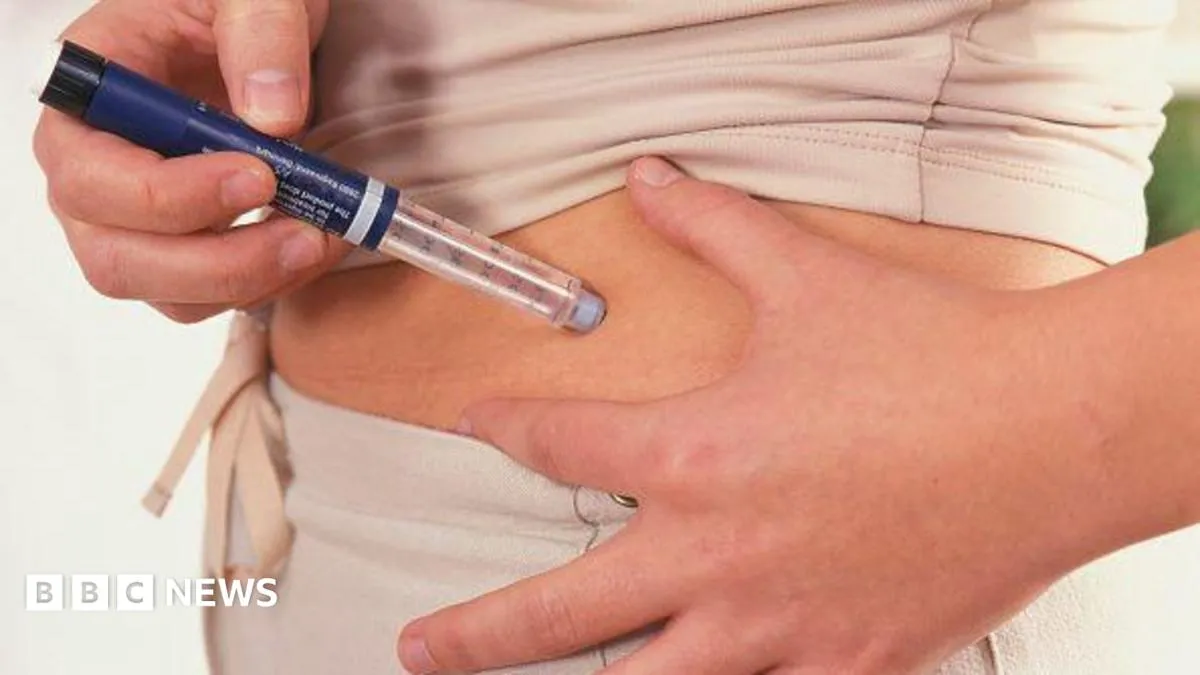
Imagine cutting 365 daily injections down to just 52. That's the kind of math we can all get behind. For hundreds of thousands of people with type 2 diabetes, that reality might be just around the corner, thanks to a new weekly insulin shot that promises to slash the number of annual jabs by a staggering 86%.
Because, let's be honest, sticking yourself with a needle every single day is hardly anyone's idea of a good time. Especially when the alternative is, well, not doing that 313 times a year. This new weekly wonder works just as effectively as its daily counterpart, but only needs to be administered once every seven days. If approved by the UK's medicines regulator, it's set to become available on the NHS.
A Game-Changer for Daily Life
Diabetes UK, a charity that knows a thing or two about, well, diabetes, says this shift could be a massive win for managing the condition. Think about it: less hassle means better adherence, which ultimately means better health outcomes. It's particularly good news for those who rely on others for their daily injections, or who might struggle with the fiddly bits of self-administration.
We're a new kind of news feed.
Regular news is designed to drain you. We're a non-profit built to restore you. Every story we publish is scored for impact, progress, and hope.
Start Your News DetoxWe're talking about roughly one in four of the 4.7 million people in the UK living with diabetes (90% of whom have type 2). That's a lot of folks who could soon reclaim a significant chunk of their day, and frankly, their peace of mind. Douglas Twenefour, head of clinical at Diabetes UK, pointed out that this isn't just about convenience; it's about improving quality of life, especially for older patients, those with sight loss, limited hand movement, or learning disabilities.
Helen Knight, from Nice (the National Institute for Health and Care Excellence, which greenlit the treatment initially), echoed this, calling it a potential "true change to the daily lives" of those affected. The wait is now on for the Medicines and Healthcare products Regulatory Agency (MHRA) to give its final blessing. Once that's in, the rollout can begin, bringing a much-needed dose of simplicity to a complex condition. Because sometimes, the best medicine is less medicine.