Imagine a drug that lives inside you, constantly monitoring your blood sugar, and only releasing medicine when it’s actually needed. No more fixed doses, no more guesswork. That's the future scientists are building with genetically engineered bacteria, and it could completely change how we treat type 2 diabetes.
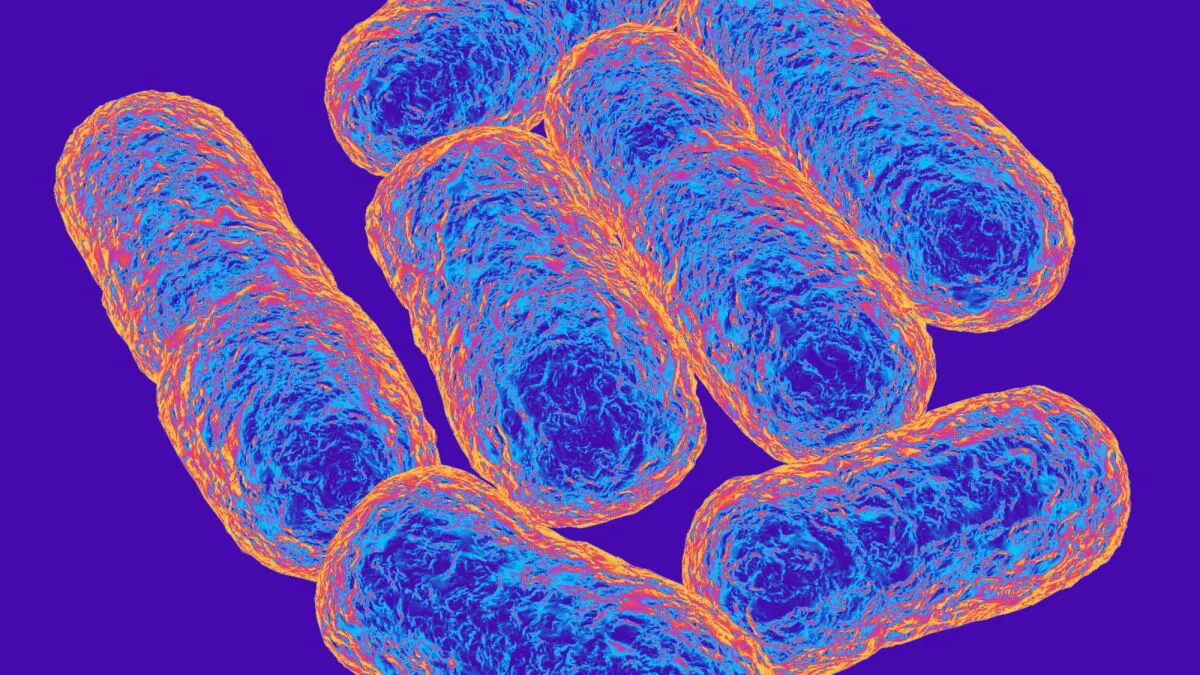
Researchers at East China Normal University in Shanghai have created what they call a "living treatment." They took a common gut bacterium, E. coli, and gave it a special gene. This gene basically turns the bacteria into a tiny, biological pharmacy, capable of producing glucagon-like peptide 1 (GLP-1) — the very hormone mimicked by popular diabetes and weight-loss drugs like Ozempic and Wegovy.
They've dubbed this ingenious system a "glucose-sensing and functional response probiotic," or GIFT. Think of it as a smart drug delivery system that only activates on demand. When your blood sugar goes up, the bacteria sense it and release GLP-1. When levels are stable, they chill out. This means no unnecessary medication, just precision targeting.
We're a new kind of news feed.
Regular news is designed to drain you. We're a non-profit built to restore you. Every story we publish is scored for impact, progress, and hope.
Start Your News DetoxWhy This Matters So Much
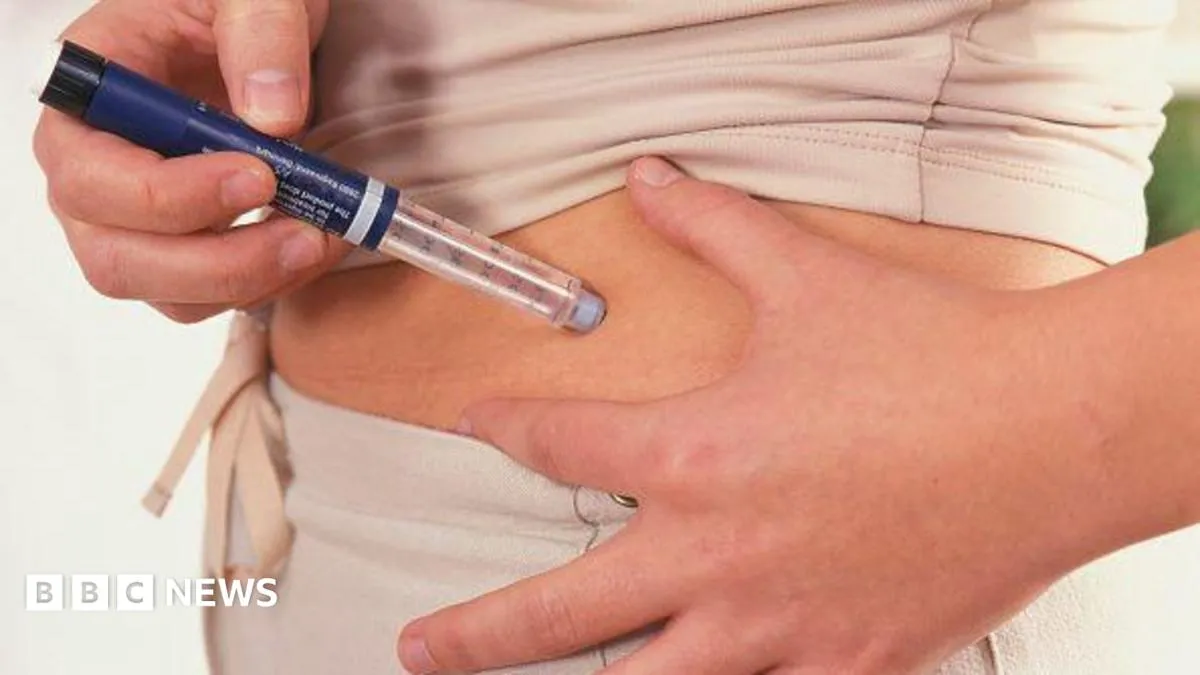
Existing GLP-1 drugs are effective, but they come with side effects and, crucially, a fixed dose. Our bodies are constantly adjusting hormone levels to manage blood sugar, a process that goes haywire in type 2 diabetes. Injecting a set amount of GLP-1 daily might not align with the body's fluctuating needs throughout the day. GIFT offers a dynamic response, delivering a precise boost of the insulin-raising hormone exactly when it’s required.
Because these engineered bacteria are already gut-friendly, they can be delivered in a simple pill. This sidesteps the risks of rejection often associated with other cell-based treatments, making it a much more accessible and less invasive option.
Of course, human trials are still a ways off. But early tests in mice and diabetic monkeys have shown promising results, with the process working as planned and no signs of harmful effects. While more testing is needed, the idea of genetically enhanced gut bacteria acting as a personalized, on-demand medicine dispenser is both impressive and a little mind-bending.
This isn't just about diabetes, either. The researchers believe this flexible system could be adapted to deliver other blood sugar-lowering agents, potentially tackling obesity and other metabolic conditions. Your gut microbiome, it seems, is about to get a whole lot smarter.