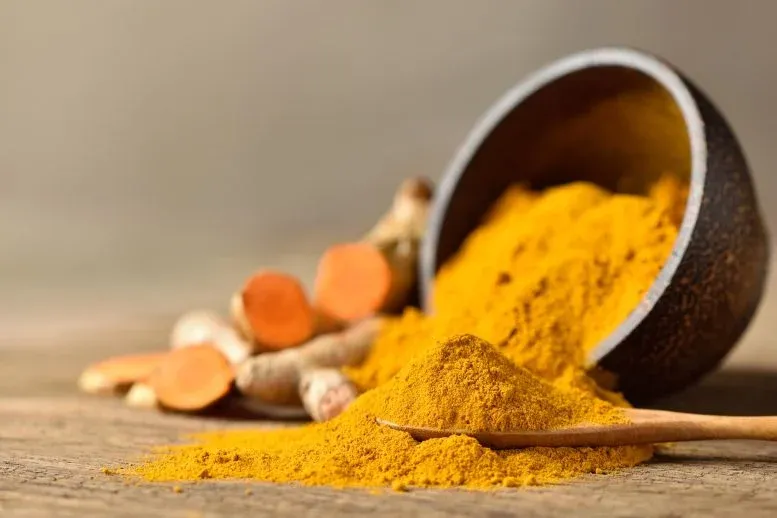
For years, turmeric has been the golden child of the spice world, celebrated for everything from flavoring curries to calming inflammation. But now, it turns out the main compound in this vibrant root, curcumin, might be doing some serious heavy lifting against the vascular damage of Type 1 diabetes.
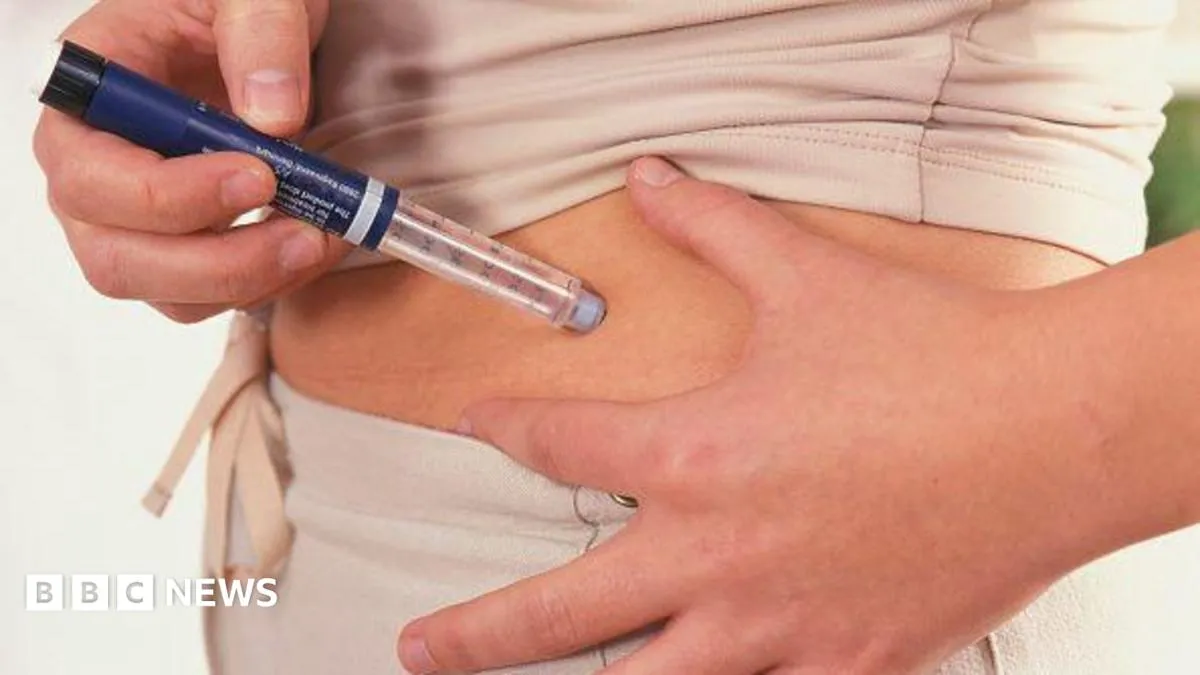
Think about it: Type 1 diabetes is a relentless battle for the body. High blood sugar, even when carefully managed, can quietly wreak havoc on blood vessels, setting the stage for heart disease down the line. It's a silent threat lurking in the background for millions.
Enter curcumin, the molecule responsible for turmeric's sunny disposition. Researchers have been eyeing its anti-inflammatory and antioxidant powers for a while. But a new study, presented at the 2026 American Physiology Summit, suggests it's more than just a cellular cleanup crew.
We're a new kind of news feed.
Regular news is designed to drain you. We're a non-profit built to restore you. Every story we publish is scored for impact, progress, and hope.
Start Your News DetoxIn diabetic rats, curcumin didn't just chill out inflammation; it actually seemed to protect the aorta, the body's main highway for blood, from the kind of structural and functional damage that diabetes loves to inflict. It’s like it told the blood vessels, "Hey, you're not going to deteriorate on my watch."
Swasti Rastogi, the lead author from the Florida Institute of Technology, put it pretty bluntly: curcumin isn't just a spice. It's a multi-talented compound that "improves blood sugar, reduces inflammation, restores cell responses, and keeps the aorta's structure and function intact in Type 1 diabetes." Which, if you think about it, is both impressive and slightly terrifying for a humble spice.
How It Works Its Magic
The researchers gave curcumin to diabetic rats for a month. The results? Their blood vessels started looking a lot more like those of non-diabetic rats. It was like a vascular glow-up.
Specifically, curcumin seemed to dial down inflammation, get calcium activity in blood vessels back to normal (calcium being surprisingly important for vessel health), and rebalance a crucial protein called heat shock protein 70, which diabetes usually throws out of whack. These are all key players in maintaining the strength and flexibility of your blood vessels – basically, keeping them young and spry.
Not Quite Ready for Your Morning Smoothie (Yet)
Before you start chugging turmeric lattes like there's no tomorrow, a crucial caveat: this was a rat study. As in, tiny lab rodents, not humans scrolling on their phones. We need proper clinical trials to figure out if curcumin is safe, effective, and at what dose for people with Type 1 diabetes.
Still, the idea that a compound from your spice rack could one day help protect against one of diabetes's most insidious long-term complications? Now that's a story worth sharing.