This week, it seems our own bodies decided to reveal a few long-held secrets. From the intricate timing of our internal organs to the surprising benefits of neurodivergence, science is increasingly looking inward for answers, and finding a whole new level of nuance.
The Body's Internal Clockwork
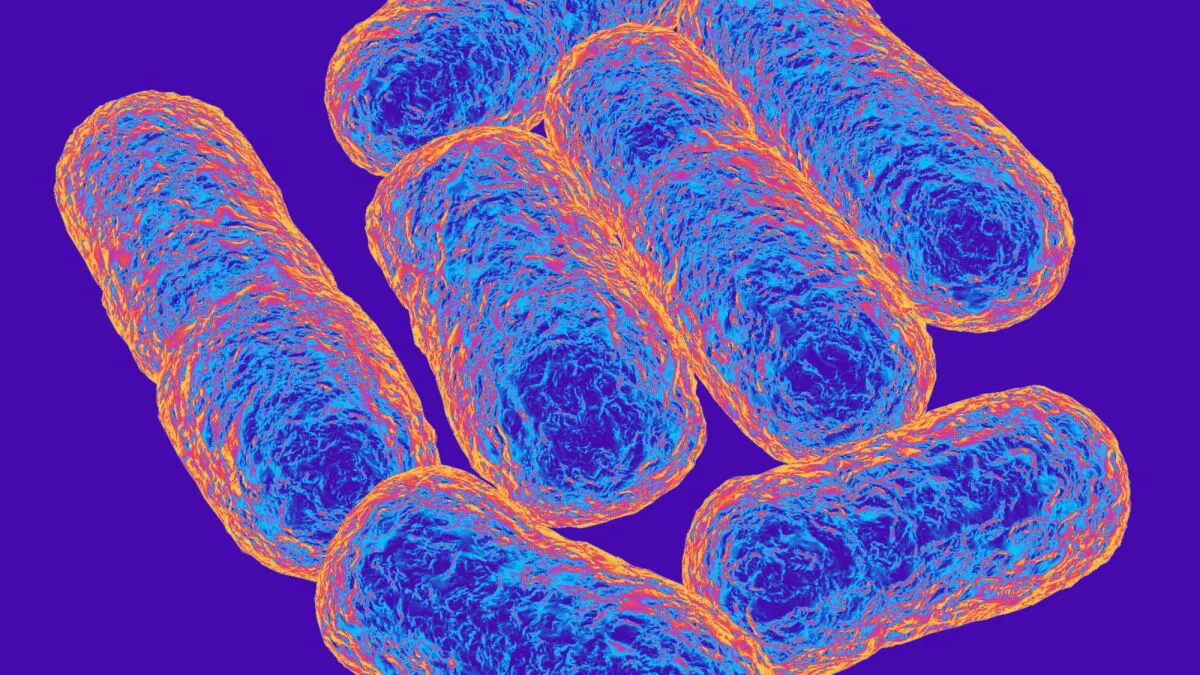
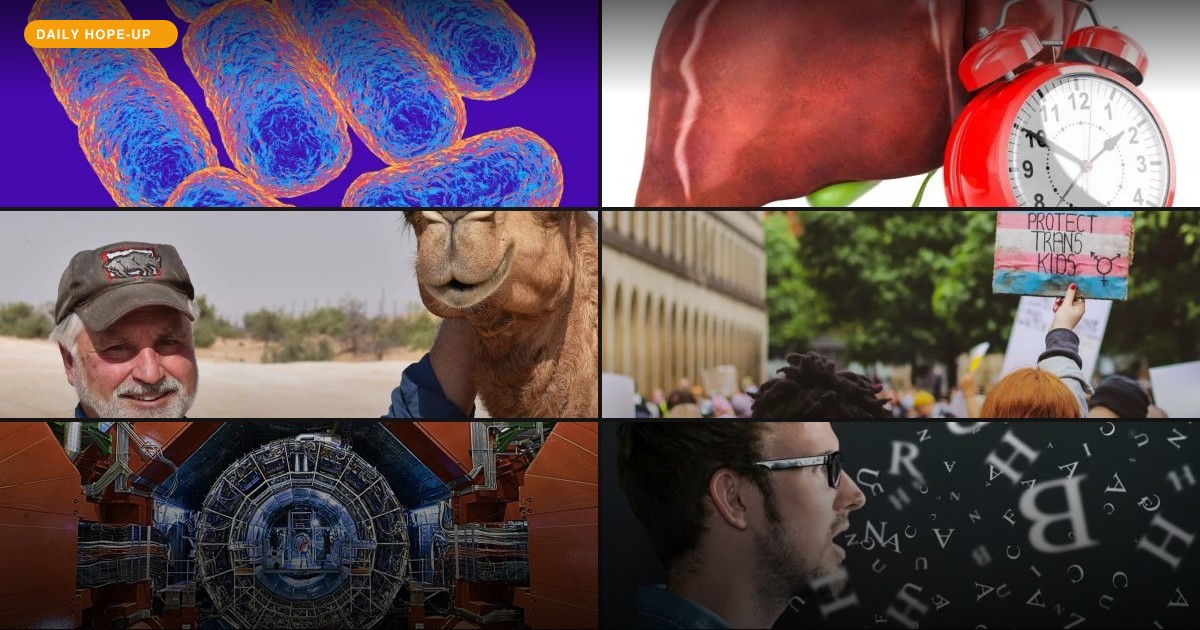
Ever wonder why some treatments work better at certain times of day? It turns out your liver isn't just processing — it's scheduling. New research suggests your liver runs on a surprisingly precise timetable, releasing signaling proteins at specific points. This isn't just academic; understanding this metabolic rhythm could fundamentally alter how we approach treatments for diseases like diabetes. Speaking of which, the future of managing type 2 diabetes might involve a weekly jab instead of daily ones, with a new weekly insulin jab on the horizon. Even more revolutionary, scientists in Shanghai are engineering bacteria to become a "living drug" that can sense and reduce glucose levels, potentially revolutionizing diabetes treatment entirely. If you've been anxious about the daily grind of managing chronic conditions, this week just changed the math on how personalized and precise medicine is becoming.
"Bacteria engineered to sense and reduce glucose levels could be the future of type 2 diabetes treatments, following pre-clinical trials on animal models." — Read the full story
Wait—What is Brightcast?We're a new kind of news feed.
Regular news is designed to drain you. We're a non-profit built to restore you. Every story we publish is scored for impact, progress, and hope.
Start Your News Detox
Unlocking Hidden Strengths
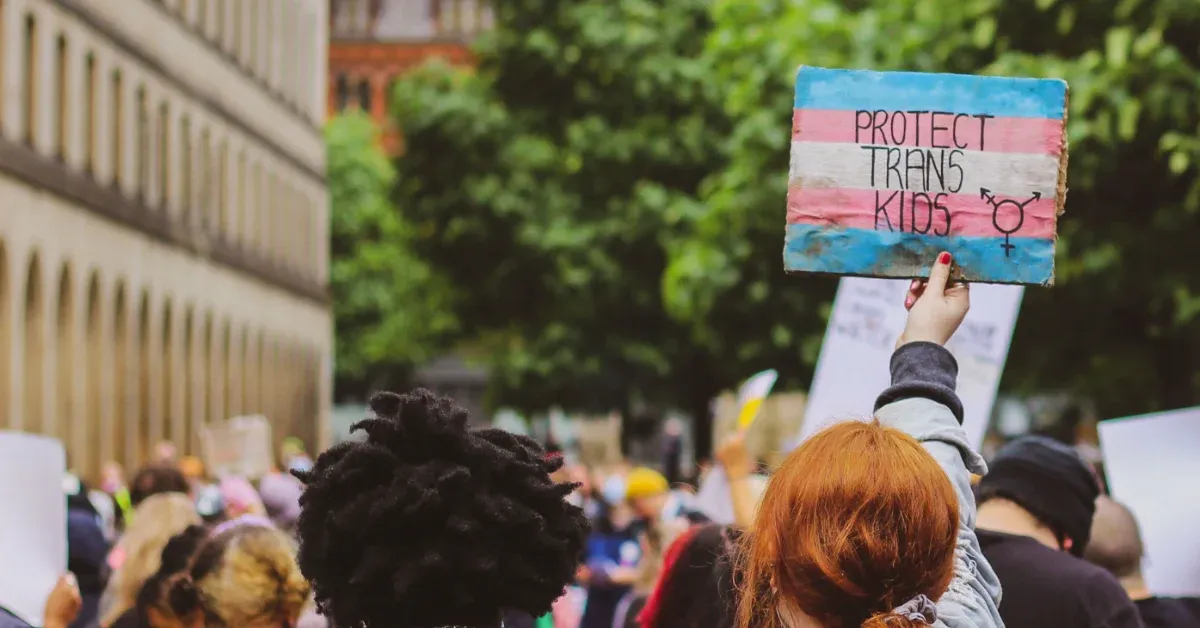
While our internal chemistry is getting a refresh, so is our understanding of the human mind. For years, ADHD has been framed almost entirely as a deficit. But what if it's also a superpower? New findings suggest that ADHD-related attention patterns can actually supercharge creativity and focus, especially when channeled through structured creative expression. This isn't just about reframing; it's about actively leveraging neurodivergent strengths. Meanwhile, on the social front, a new report highlights that transgender students thrive when their teachers support them, experiencing higher grades and a stronger sense of belonging. It's a powerful reminder that recognizing and nurturing individual differences, whether neurobiological or social, isn't just kind — it's effective. If you’ve ever felt like your differences were a hindrance, this week offers compelling evidence that they might just be your biggest asset.
Beyond Our Bodies: History and the Cosmos
Our journey inward extends to understanding our collective human story and our place in the universe. Archaeologists have uncovered a 10,000-year human history hidden in the Pyrenees, showing continuous occupation throughout the Holocene. This deep dive into our past reveals the enduring human capacity to adapt and thrive in challenging environments. Looking even further back, physicists at CERN are using "bowling pin-shaped nuclei" to recreate the universe's earliest moments, with tiny nuclei blowing up a theory and shedding new light on the Big Bang. From ancient alpine shelters to cosmic origins, we’re continually refining our understanding of where we came from, and why that matters. Next time someone tells you we've figured everything out, you'll know we're still just getting started.
Hope stat: 10,000 — years humans have continuously adapted and thrived in the high Pyrenees mountains. Watch this space: New insights into the body's rhythms could soon redefine how drugs are prescribed and developed.