Imagine landing on the Moon, doing your science, taking your selfies, and then… freezing solid for two weeks straight. That's the rather brutal reality for most lunar missions once the sun dips below the horizon. The Moon's night is a bone-chilling minus 275°F. Your average solar-powered lander? Toast. Or rather, ice.
Enter Firefly Aerospace and Zeno Power Systems, who are sending a nuclear-powered heater to the Moon in 2028. Their goal: prove that a spacecraft can actually survive the lunar night. Because apparently, just getting to the Moon isn't enough anymore; now we want to stay a while.
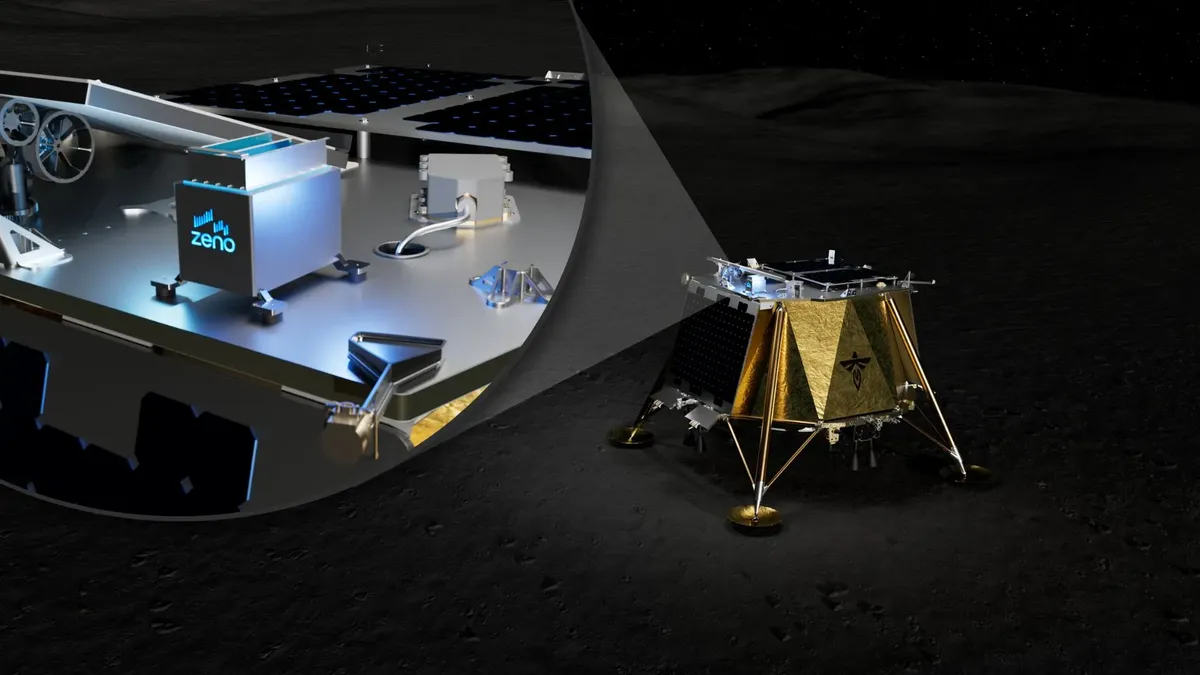
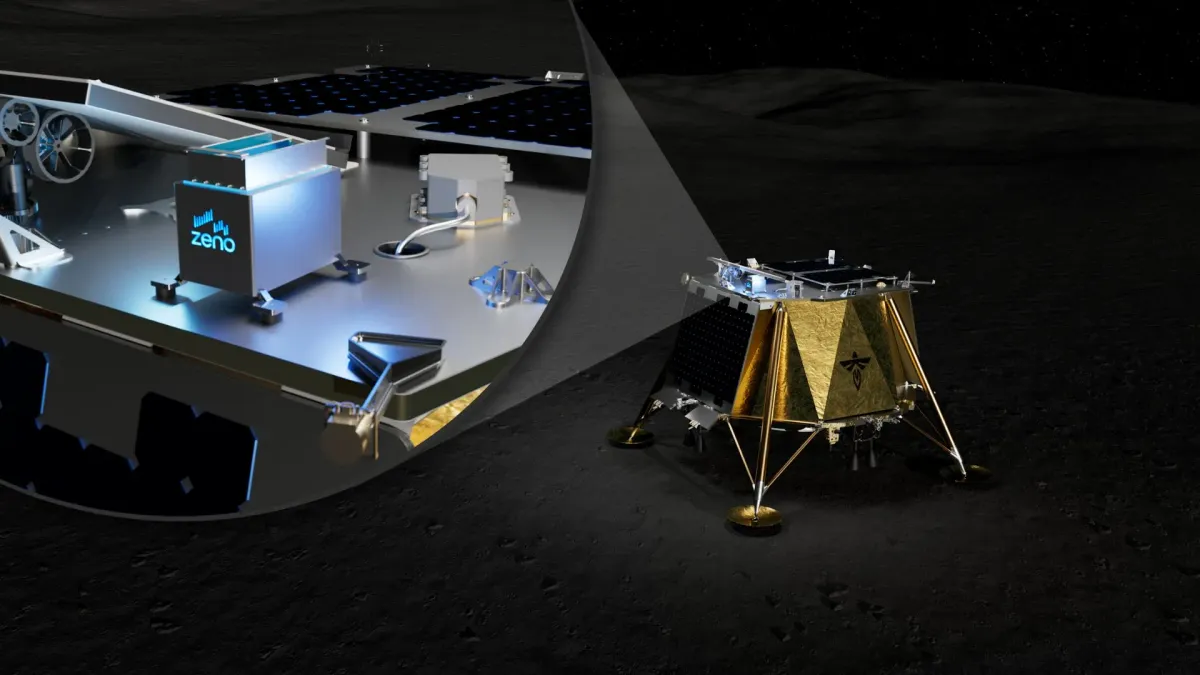
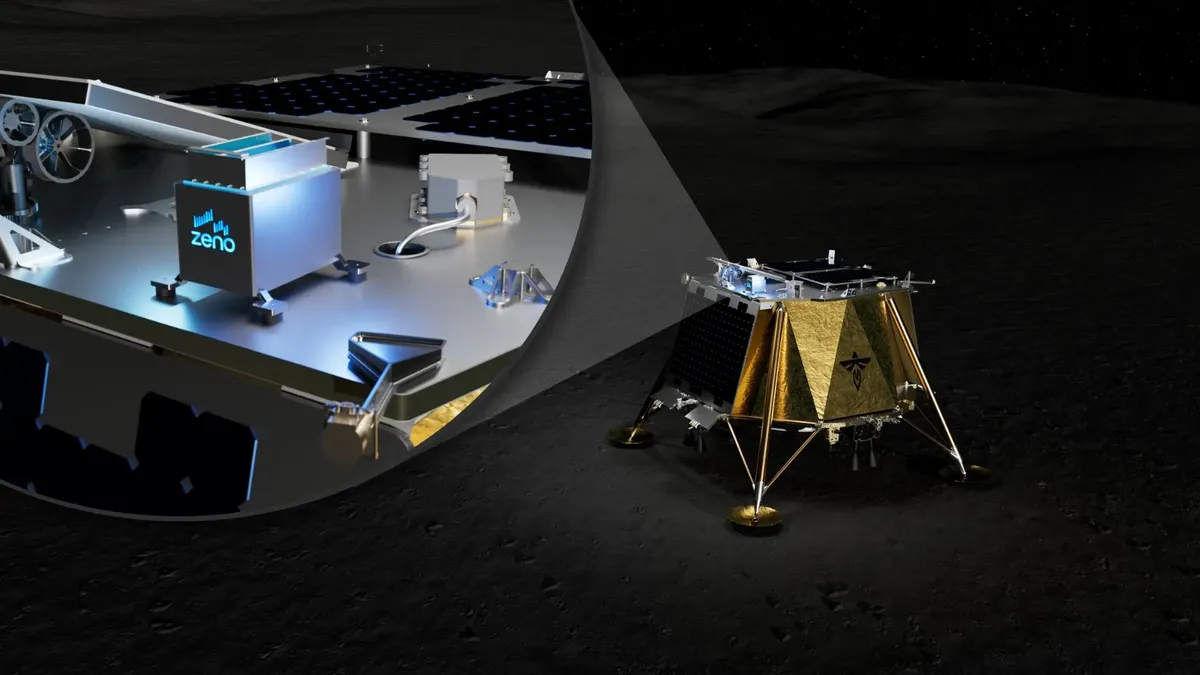
Zeno's "Survive-the-Night Package" will hitch a ride on Firefly's Blue Ghost mission, landing on the Moon's near side. After the main mission wraps up its solar-powered daytime duties, this little nuclear marvel will kick into gear. Engineers will then spend about 14 Earth days watching how it fares in the inky, frigid black.
We're a new kind of news feed.
Regular news is designed to drain you. We're a non-profit built to restore you. Every story we publish is scored for impact, progress, and hope.
Start Your News DetoxThe Moon's Night: A Dealbreaker for Long Stays
During Firefly's first Blue Ghost mission, temperatures swung from a scorching 230°F in the day to that aforementioned, utterly unforgiving minus 275°F at night. Solar panels are great, until they're not. And while batteries can store power, extreme cold is a fantastic way to turn sensitive electronics into very expensive paperweights.
This isn't just about keeping a few sensors warm. It's about enabling longer missions, and eventually, permanent lunar bases. The challenge gets even more intense when you consider permanently shadowed regions — those craters where the sun literally never shines. Nuclear-powered heating is looking like a rather essential workaround.
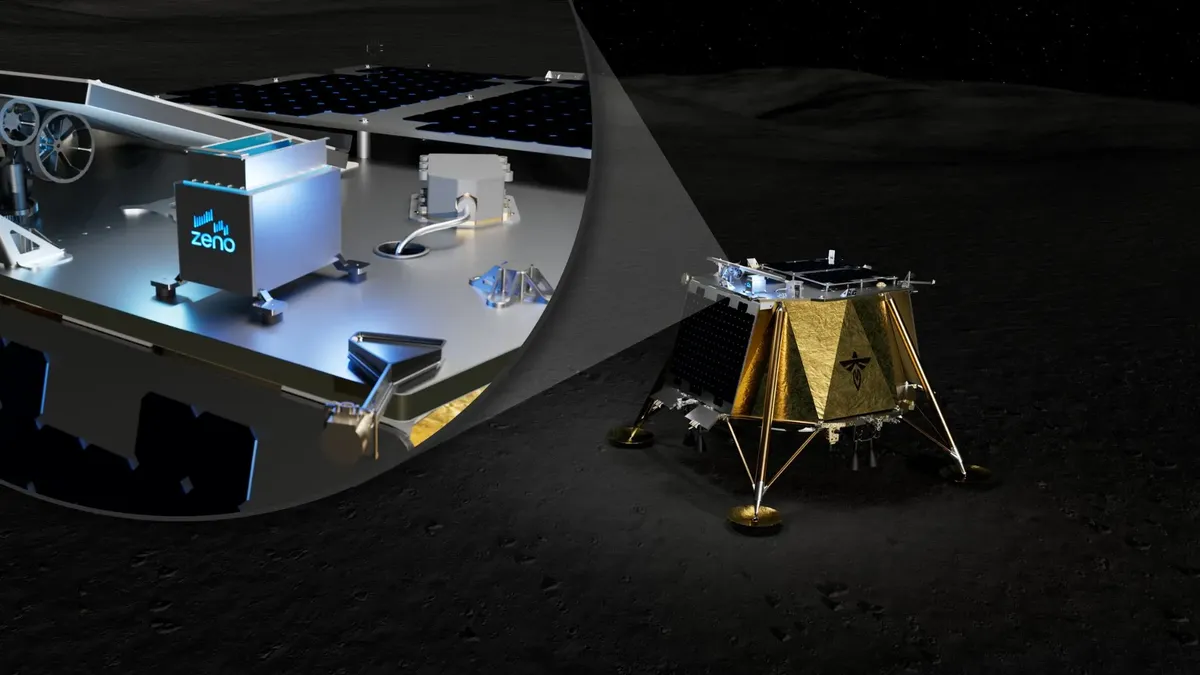
Zeno's payload uses a five-watt radioisotope heater unit (RHU). Think of it as a tiny, self-contained furnace. It contains americium-241, a radioactive material that naturally decays and, in doing so, constantly releases heat. No sunlight required, just good old-fashioned atomic decay.
This RHU will sit on a special platform, equipped with its own communication, power, and temperature controls. Once the lunar day is done, and the main Blue Ghost mission has sent all its data home, the RHU will start its solo performance. Its data will then beam back to Earth, telling us if this little nuclear package can truly keep things cozy.
Tyler Bernstein, Zeno's CEO, put it simply: surviving the lunar night is “mission critical” for anything long-term on the Moon. This experiment will be the ultimate stress test for a small nuclear heat source, potentially paving the way for future outposts in those perpetually dark, resource-rich craters.
Firefly's previous Blue Ghost mission in 2025 gave engineers a firsthand, rather brutal, look at the Moon's temperature extremes. Ray Allensworth, Firefly's VP of spacecraft, noted that those observations underscored just how massive the thermal challenge is. Now, with the Zeno demonstration, they're hoping to find a solution that lets us not just visit the Moon, but maybe, just maybe, move in.
This RHU isn't about powering an entire spacecraft; it's about providing continuous, baseline heat to keep vital components from seizing up. Solar panels handle the day, and a nuclear heat source handles the 14-day night. Which, if you think about it, is both impressive and slightly terrifying.
Firefly's not stopping there, with future Blue Ghost missions planned for the Moon's far side and the intriguing Gruithuisen Domes. The 2028 mission, however, might just be the one that finally lets us put down roots — without freezing our circuits off.