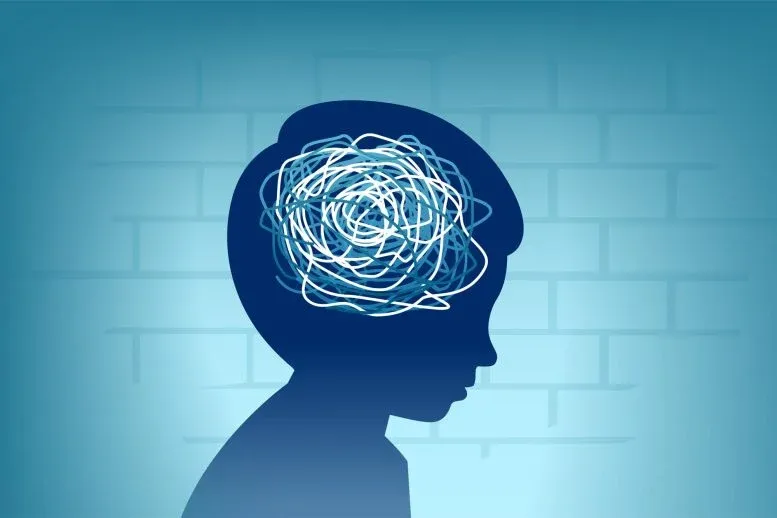
For years, ADHD has been framed as a deficit, a brain that just can't quite get its act together. But what if that 'wide-angle lens' attention wasn't a bug, but a feature? New research suggests that the very traits associated with ADHD — like easily distracted thought patterns and mind-wandering — could actually be a secret weapon for creative thinking.
Dr. Radwa Khalil, a neuroscientist at Constructor University, dropped some fascinating insights in iScience. Instead of seeing ADHD's 'defocused attention' as a hindrance, her study posits it as a potential superpower for generating new ideas, especially when given the right guidance. Suddenly, those brain networks that make it tough to stick to a single spreadsheet might be the same ones cooking up the next big breakthrough.
Think of it like this, Dr. Khalil explains: Most brains have a spotlight, focusing intently on one task. A brain with ADHD? It's got a floodlight, soaking in everything. While that can make mundane tasks feel like wrestling a greased octopus, that broader view encourages exploring, connecting disparate ideas, and generally being a creative dynamo. Which, if you think about it, is both impressive and slightly terrifying for anyone who's ever tried to get a focused answer from a creative.
We're a new kind of news feed.
Regular news is designed to drain you. We're a non-profit built to restore you. Every story we publish is scored for impact, progress, and hope.
Start Your News DetoxThis isn't just about reframing a condition; it's about unlocking new therapeutic avenues. Imagine art, music, or dance therapy not as a distraction, but as a structured way to direct that floodlight attention. For the nearly 8% of children worldwide with ADHD, these non-drug options could strengthen the very brain networks that control attention, potentially taming impulsivity and hyperactivity in the process.
Getting 'lost in the moment' while painting or playing an instrument isn't just fun; it's a brain workout. It's working with a natural thinking style, not against it. And while we're only scratching the surface of this attention-creativity link, Dr. Khalil believes a broad, collaborative research effort — bringing together neuroscientists, art therapists, and doctors — could truly transform how we understand and support ADHD.
Because perhaps, the 'problem' was just a different kind of genius waiting to be unleashed.