Today, it seems the best way forward is often to look backward – or at least, sideways. From ancient Roman building techniques to indigenous reef management, a surprising number of this week's breakthroughs came from dusting off old ideas or simply paying attention to the natural world around us.
The Past Had Some Pretty Good Ideas
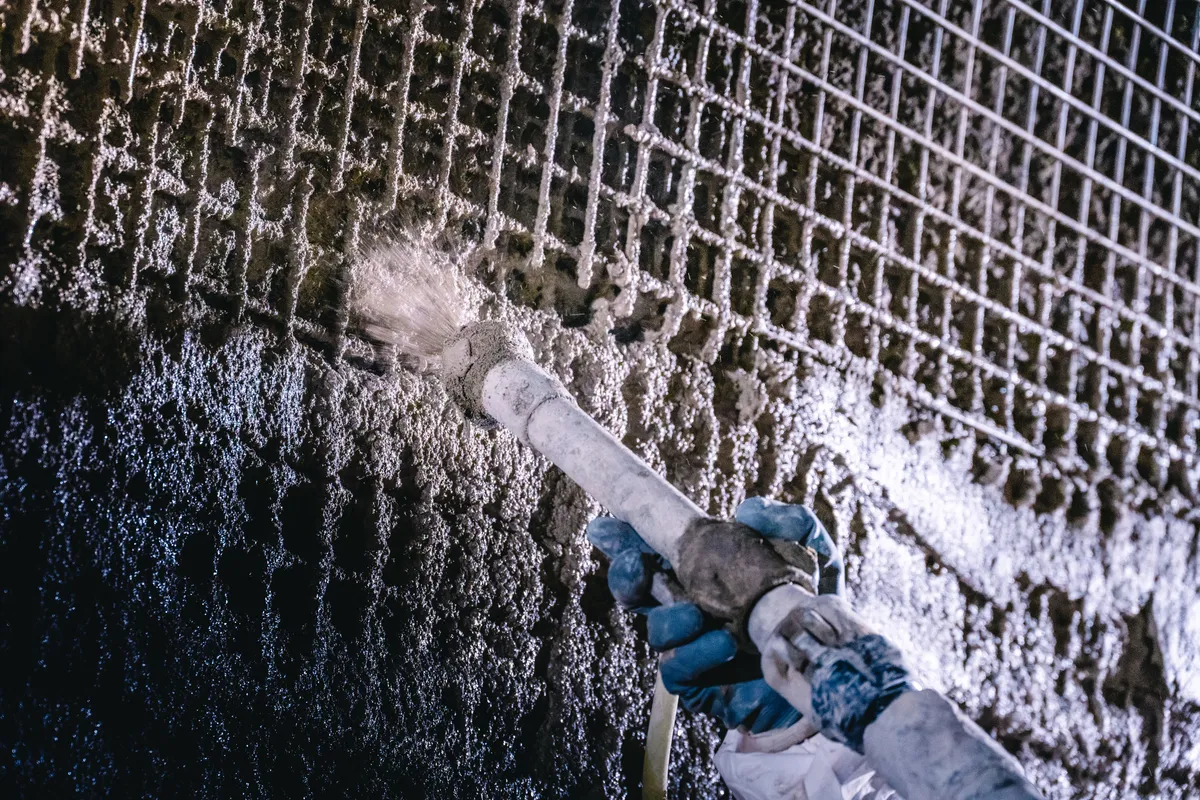
It turns out, the Romans were onto something. For centuries, we've marveled at their concrete structures, still standing strong. Now, a startup is bringing ancient Roman concrete technology to modern construction, creating self-healing materials that could make our buildings last longer and require less maintenance. Forget planned obsolescence; this is planned permanence. Meanwhile, in Australia, the Yirrganydji people are proving that Indigenous wisdom is saving the Great Barrier Reef. Mercy Singleton, a Yirrganydji director, is part of a growing movement applying traditional knowledge to protect and restore the reef, proving that sometimes, the best scientists have been here all along. If you've been wondering how we make our built and natural environments more resilient, this week offered some delightfully low-tech, high-impact answers.
"The coral had been declared dead in 2019. Five years later, it's not just alive — it's spawning." — Read the full story
Wait—What is Brightcast?We're a new kind of news feed.
Regular news is designed to drain you. We're a non-profit built to restore you. Every story we publish is scored for impact, progress, and hope.
Start Your News Detox
Nature's Unsung Heroes Get Their Due
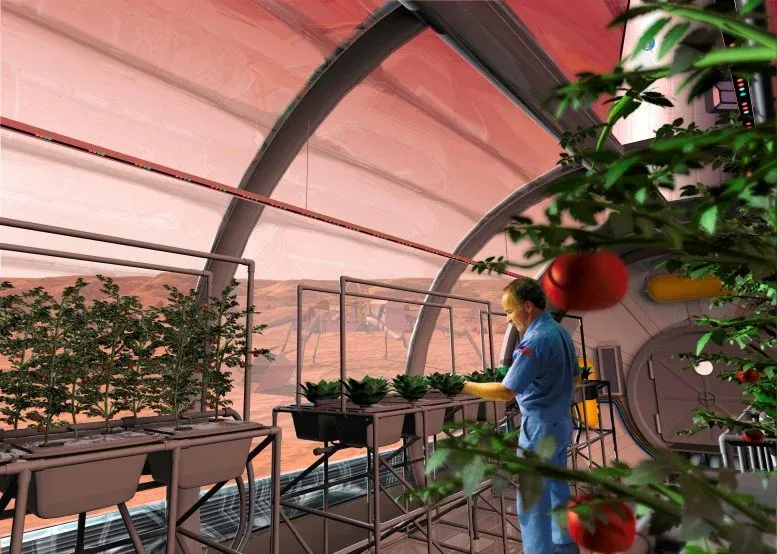
Beyond ancient humans, nature itself is full of silent partners quietly making things better. Who knew that cougars are secretly saving us from deer collisions (and $10 billion)? A study on the Olympic Peninsula found that the presence of these apex predators drastically reduces deer-vehicle accidents. It's a stark reminder that ecosystem balance isn't just about pretty landscapes; it's about real-world economic and safety benefits. And speaking of unexpected allies, scientists think fungi could turn Martian dirt into dinner. Researchers are exploring how beneficial fungi could transform alien regolith into fertile soil, paving the way for future space agriculture. If you needed a reminder that the solutions to big problems often come from surprising places, look no further than a big cat or a tiny mushroom.
Small Changes, Big Impact
Sometimes, the biggest wins come from seemingly minor tweaks. Just three minutes of sprinting can dramatically reshape your blood chemistry, triggering a molecular response that impacts metabolic health more profoundly than prolonged moderate exercise. It's a powerful argument for fitting in those quick bursts of activity. On a larger scale, London's bold move to restrict polluting vehicles through its Ultra-Low Emission Zone (ULEZ) has yielded tangible results: London's kids can finally breathe easy. Studies found that children's lungs grew bigger and stronger, catching up with their peers in less polluted areas. These stories highlight that even small, targeted interventions can cascade into significant improvements for individual health and broader public well-being.
Hope stat: 76% — the reduction in deer-vehicle collisions observed in areas with cougar populations. Watch this space: We'll be keeping an eye on how other cities adopt London's ULEZ model, and what further health benefits emerge.