Turns out, telling the most polluting vehicles to take a hike actually works. London's children are now sporting bigger, stronger lungs, a direct result of the city's Ultra-Low Emission Zone (Ulez) doing its job.
For decades, the city's notorious traffic pollution had been playing a cruel trick on kids' developing bodies, stunting lung capacity by a solid 5-10% in highly polluted areas. That's not just a minor inconvenience; it's a direct route to asthma, heart disease, and a shorter lifespan down the line. Charming, right?
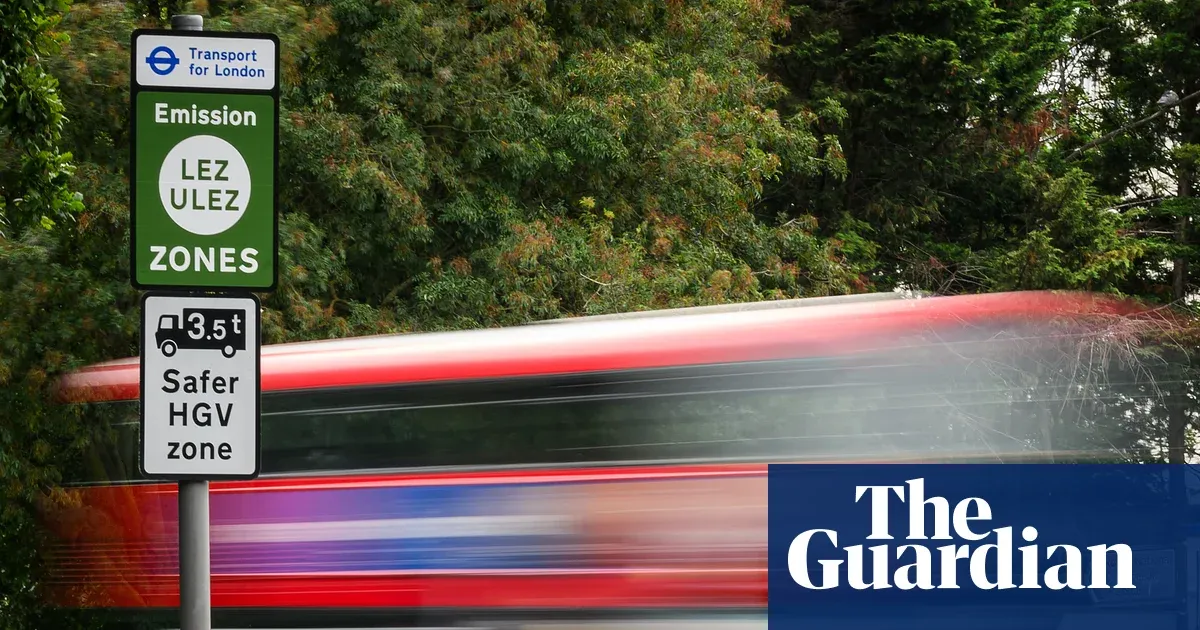
But then came Ulez in 2019, Mayor Sadiq Khan's big, bold, and admittedly controversial move to clean up the air. It's now the world's largest low-emission zone, which sounds like something out of a sci-fi movie, but for Londoners, it's just a breath of fresh air — literally.
We're a new kind of news feed.
Regular news is designed to drain you. We're a non-profit built to restore you. Every story we publish is scored for impact, progress, and hope.
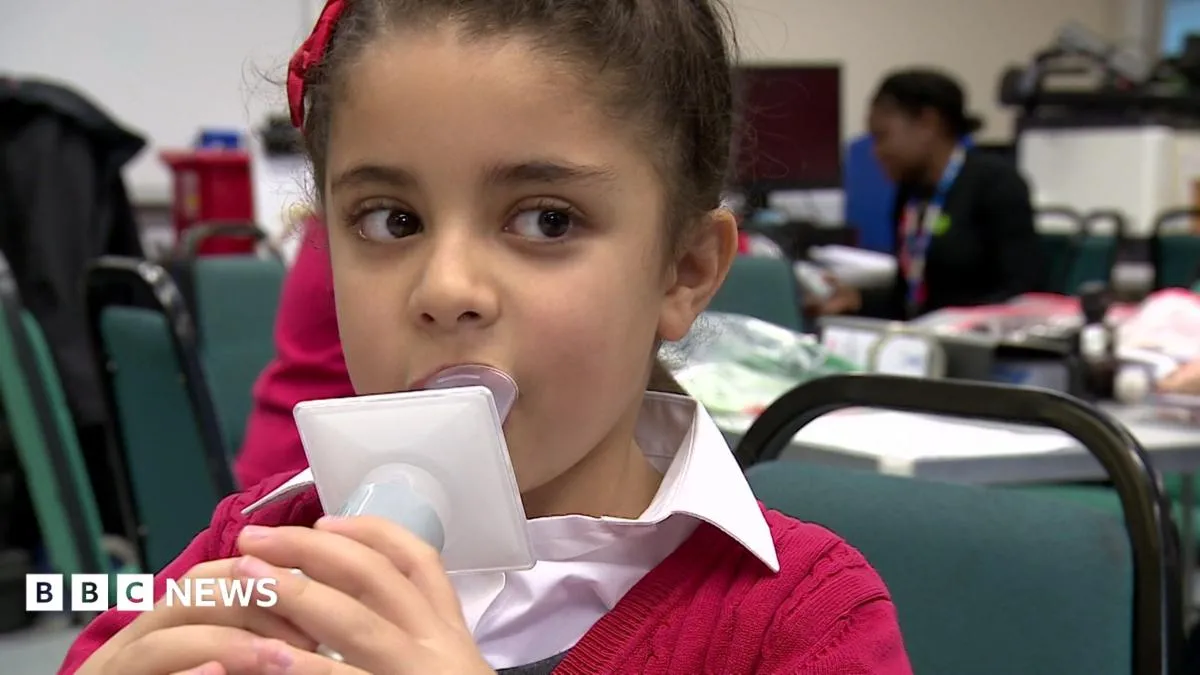
Start Your News DetoxResearchers at Queen Mary University of London (QMUL) saw a golden opportunity. They tracked 1,664 London kids aged six to nine before Ulez kicked in, and compared them to a control group of 1,750 children in Luton, a nearby town with similar pollution levels but no clean air zone. Because, apparently, science needs a control group even for breathing.
Lungs Level Up
The results? Initially, London's children had significantly smaller lungs than their Luton counterparts. But post-Ulez, a remarkable thing happened: the London kids' lungs not only improved but caught up, becoming comparable to those in Luton. It's like their lungs finally got the memo that they were allowed to grow.
This lung glow-up directly mirrored the improvements in air quality. Within five years, London children's exposure to nitrogen dioxide plummeted twice as fast and twice as much as the kids in Luton. Professor Chris Griffiths from Oxford and QMUL put it simply: traffic pollution is bad, and clean-air zones are good. Someone get this man a medal.
Mayor Khan, who faced a bit of a kerfuffle introducing and expanding Ulez, noted that ignoring the problem of toxic air was simply not an option. It seems London is actually winning the fight against toxic air, and the city's smallest residents are reaping the benefits. Which, if you think about it, is both impressive and slightly terrifying that we even needed a fight over clean air in the first place.
While one professor not involved in the study raised a fair point about other potential factors (like, say, a global pandemic keeping everyone indoors), the core finding holds: urban environmental changes can genuinely boost children's lung development. So, next time someone grumbles about low-emission zones, just tell them London's kids are breathing easier. And that's a pretty satisfying number to sink in.