For a disease that kills over a million people every year, many of them children, it’s remarkably adept at flying under the radar. Researchers have a name for this curious phenomenon: the "poo taboo." Turns out, even health professionals and journalists get a bit squeamish discussing diarrheal diseases. Who knew a bit of awkwardness could be so deadly?
This collective discomfort has, for decades, meant less funding and focus. Case in point: despite a hundred years of trying, no vaccine for shigellosis has ever been approved. Until, perhaps, now.
The Unmentionable Killer Gets a Challenger
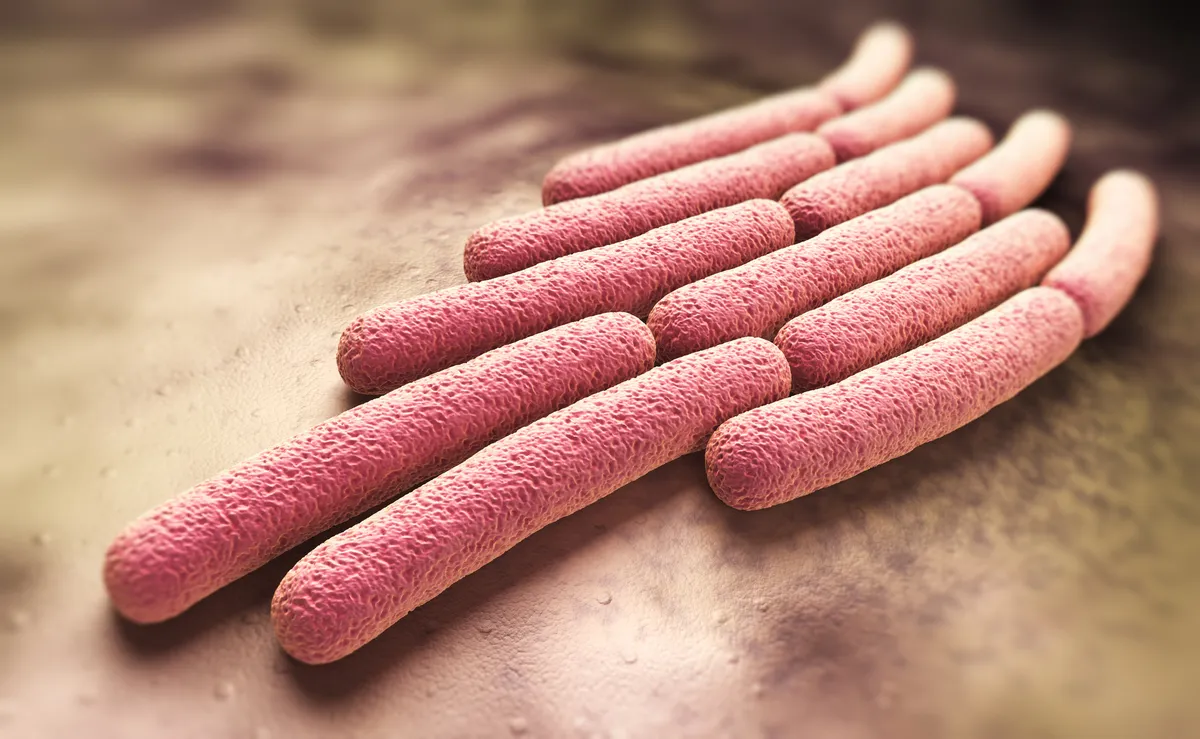
A new trial, published in The Lancet Infectious Diseases, just dropped a rather significant bombshell. A vaccine candidate, WRSs2, showed an 89% effectiveness against Shigella sonnei. Let that satisfying number sink in. Dr. Kawsar Talaat, a vaccine scientist at Johns Hopkins, didn't mince words: it's "the best efficacy we’ve ever seen."
We're a new kind of news feed.
Regular news is designed to drain you. We're a non-profit built to restore you. Every story we publish is scored for impact, progress, and hope.
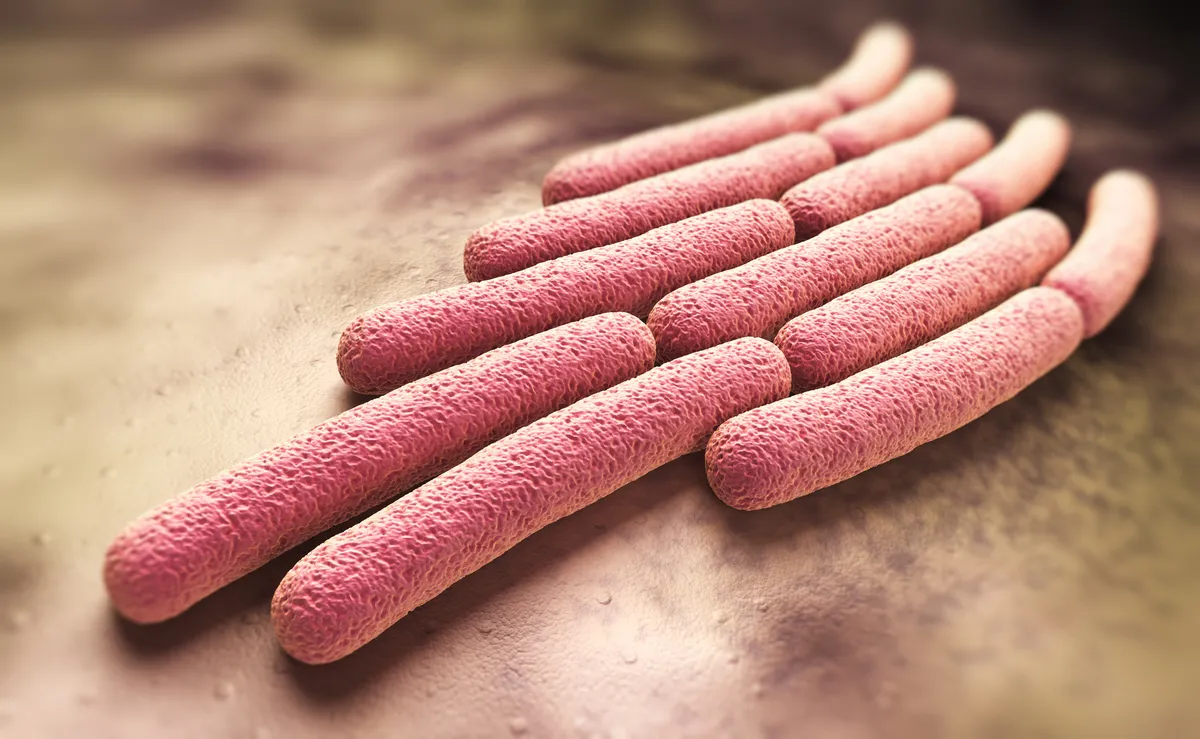
Start Your News DetoxShigella itself is less charming. It spreads through contaminated food and water, bringing with it bloody diarrhea, fever, and stomach pain. It's one of the top bacterial causes of deadly diarrheal disease globally. In places like Chad, roughly one in every 140 children under five doesn't make it past their fifth birthday due to diarrheal illness. And even for those who survive, the consequences can be brutal: malnutrition, stunted growth, and even impaired brain development. It's a silent, relentless thief of potential.
Dr. Jahangir Hossain, who's been battling this for 30 years in Bangladesh, once saw 800 diarrheal patients in a single day. He notes that seeing children with Shigella and malnutrition is "very emotional" for doctors. Which, if you think about it, is quite the understatement.

The Trial That Didn't Wait for Nature
The WRSs2 vaccine was cooked up at the Walter Reed Army Institute of Research and tested at Cincinnati Children’s Hospital and Emory Vaccine Center. The trial involved 108 healthy adults, split into two groups. Half swallowed a liquid containing a weakened Shigella bacteria. The other half got saltwater. Because apparently that's where we are now.
Here’s where it gets interesting: instead of waiting for participants to naturally get sick (which, let's be honest, could take a while for a controlled study), researchers directly exposed them to the bacteria in a human challenge trial. In the saltwater group, 81% got sick. Against that, 89% effectiveness for the vaccine is a finding that makes even the most jaded scientist raise an eyebrow. Sure, some folks who got the vaccine reported headaches (more than half, actually) and about 45% experienced some diarrhea from the dose itself. But nobody ended up in the hospital. A small price to pay, perhaps, for avoiding the alternative.
Previous Shigella vaccine attempts typically landed in the sadder end of the efficacy spectrum. The best before this was 74% in young adults, but offered zero protection for young children. Another only managed a paltry 28%. So, 89%? That's a mic drop.
The Race Against Resistance
The urgency for a vaccine isn't just about the disease itself, but its increasingly stubborn nature. Shigella has been relying on antibiotics for treatment. The problem? It's getting really, really good at shrugging them off. In some areas, resistance to certain drugs now exceeds 80%. In parts of South Asia, even ceftriaxone, a last-resort antibiotic, is losing its edge. Dr. Talaat points out that a vaccine not only prevents infection but also reduces the use of antibiotics, which helps slow down the inevitable march of resistance.
Of course, this trial had its limitations. It was small, in healthy adults, in US clinics. The real proving ground will be young children in low-income countries where sanitation is a daily struggle. Dr. Robert Frenck, who co-led the trial, dreams of a broader vaccine that tackles E. coli, Campylobacter, and Shigella all at once. Dr. Hossain, ever the pragmatist, agrees on the urgent need. "We cannot delay," he stated. "We need something immediately."
The next step is clear: test this vaccine in the kids who need it most, aiming for safety and effectiveness in children as young as one. After a century of the "poo taboo" and failed attempts, this might just be the moment the conversation, and the cure, finally breaks through.