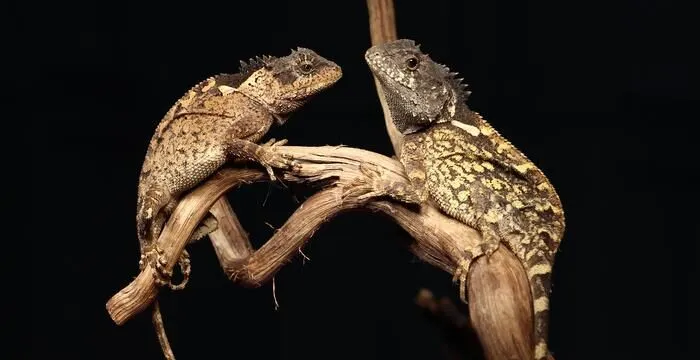
Good news, fantasy fans: scientists have just discovered a brand-new species of horned lizard in the high-altitude forests of western Thailand. Its name? The Syrax mountain horned dragon, or Acanthosaura syrax. And yes, that name is a direct nod to Queen Rhaenyra Targaryen's yellow dragon from House of the Dragon.
Apparently, the researchers were charmed by the lizard's distinct yellow hue and its rather petite stature. They found this tiny, scaly character exclusively in the upper mountains of Mae Wong National Park, chilling out at elevations above 4,300 feet. Because, apparently, even small dragons prefer the penthouse suite.
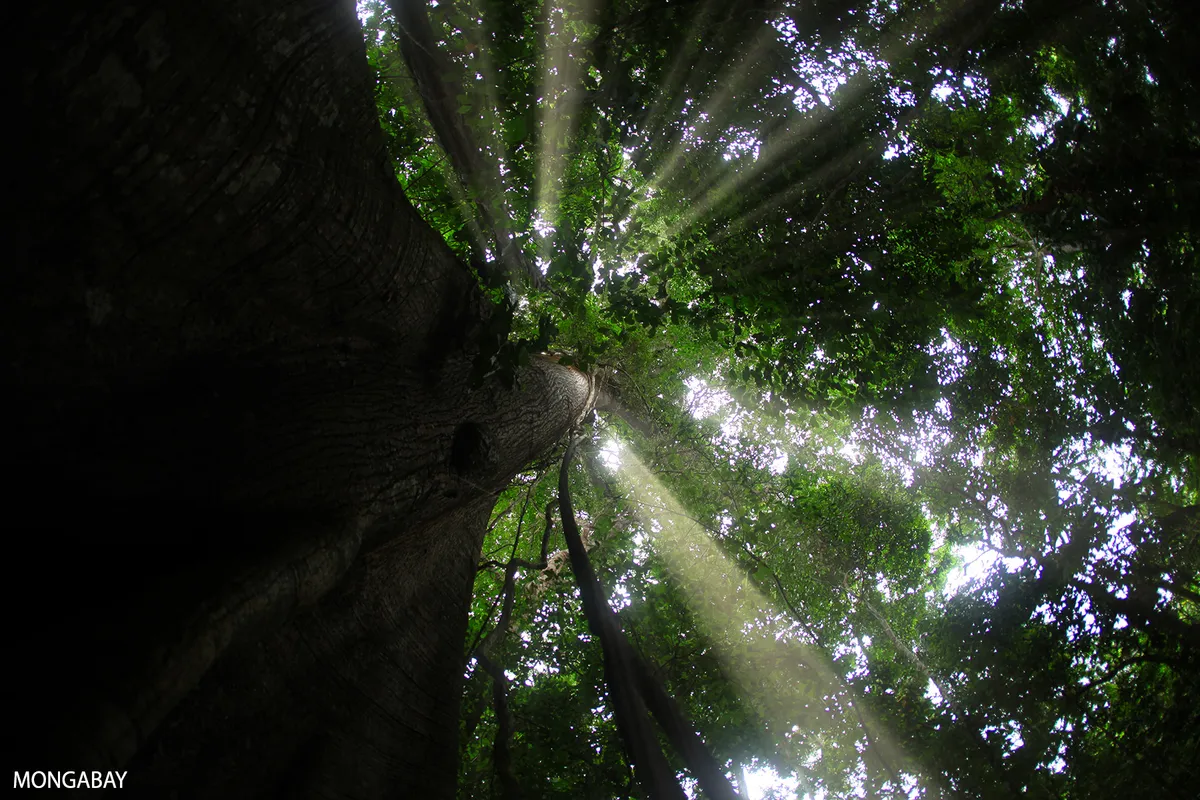
Krittiya Trivalairat, one of the study's co-authors, pointed out that this isn't just another creature for the catalog. It's a reminder of just how much biodiversity Thailand's forests are still quietly hoarding, revealing hidden life in ecosystems we thought we knew.
We're a new kind of news feed.
Regular news is designed to drain you. We're a non-profit built to restore you. Every story we publish is scored for impact, progress, and hope.
Start Your News DetoxCatching a Baby Dragon
Mountain horned dragons are generally tree-dwelling lizards, sporting a rather fetching spiny crest along their necks and backs. To get up close and personal with the Syrax, researchers had to brave the park's rugged highlands – a small price to pay for a new dragon, one might argue.
They managed to snag these slow-moving lizards by hand (no dragon-taming required, thankfully), snapped some photos to document their vibrant colors, and then preserved them for posterity. These specimens are now residing at Thailand’s Natural History Museum, waiting for their next close-up. Which, if you think about it, is both impressive and slightly terrifying for a creature named after a fire-breathing beast.