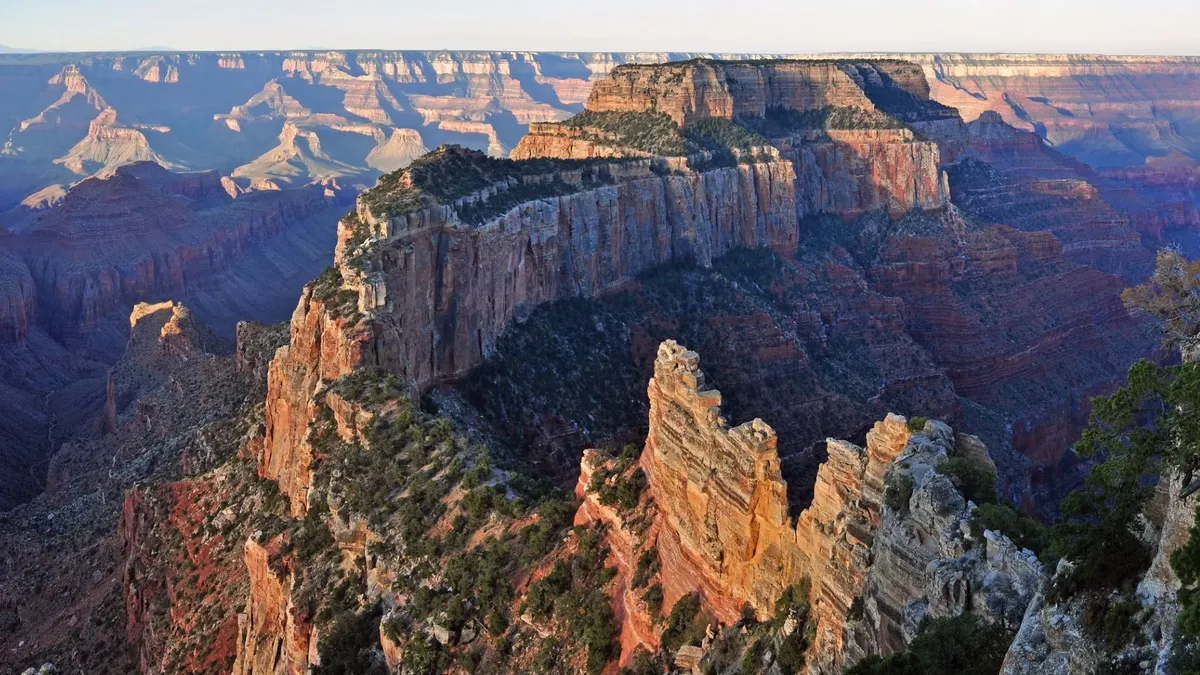
Turns out, if you're missing a billion years of your geological history, it might just be because an ancient, kilometer-high cliff decided to take a scenic tour across North America, stripping away everything in its path. Scientists think they've finally pinned down the culprit behind the Grand Canyon's famously absent rock record: a colossal, long-lost escarpment.
Imagine a cliff nearly twice the height of the Empire State Building, stretching for thousands of kilometers. That's the "Great Escarpment of Laurentia," and a new study in Geology suggests it was a major geological event roughly 800 to 750 million years ago. This was back when the supercontinent Rodinia was politely (or perhaps dramatically) tearing itself apart, creating the kind of uplift that makes mountains look like molehills and, apparently, makes a lot of rock simply vanish.
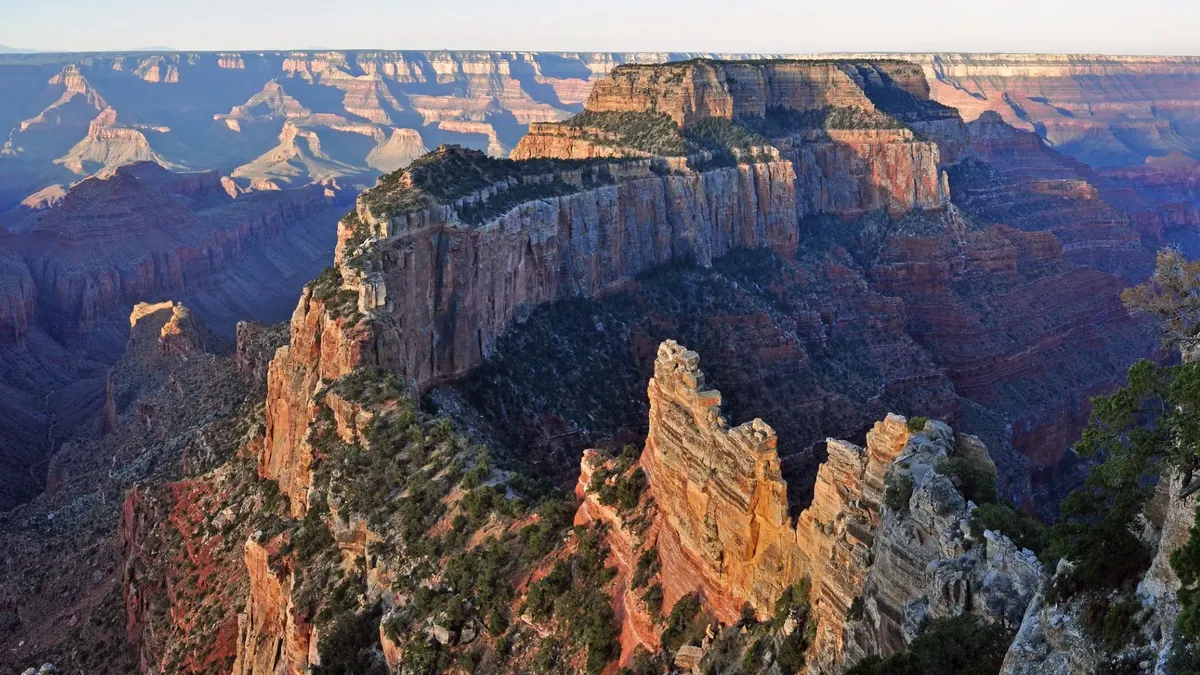
Led by Thomas Gernon from the University of Southampton, the team modeled how western North America might have looked during Rodinia's big breakup. Their conclusion? The Grand Canyon area was once lounging on the edge of a continent, much like the dramatic cliffs you can still find in places like South Africa. As this monstrous cliff slowly migrated inland over millions of years, it acted like a geological bulldozer, causing extreme erosion.
We're a new kind of news feed.
Regular news is designed to drain you. We're a non-profit built to restore you. Every story we publish is scored for impact, progress, and hope.
Start Your News DetoxModels indicate that areas near the cliff could have lost up to eight kilometers of rock. Let that number sink in. That's eight kilometers of Earth's crust just... gone. This process would have exposed the deep, ancient crystalline formations we gawk at in the Grand Canyon today.
The proposed cliff system wasn't just a local landmark; it covered a huge chunk of ancient Laurentia, the geological heart of North America. We're talking areas that are now Arizona, Utah, Idaho, Wyoming, Colorado, Texas, Oklahoma, Arkansas, Missouri, and Illinois. Because apparently, when you're going to erase a billion years of history, you might as well do it continent-wide.
The Grand Canyon's Great Eraser
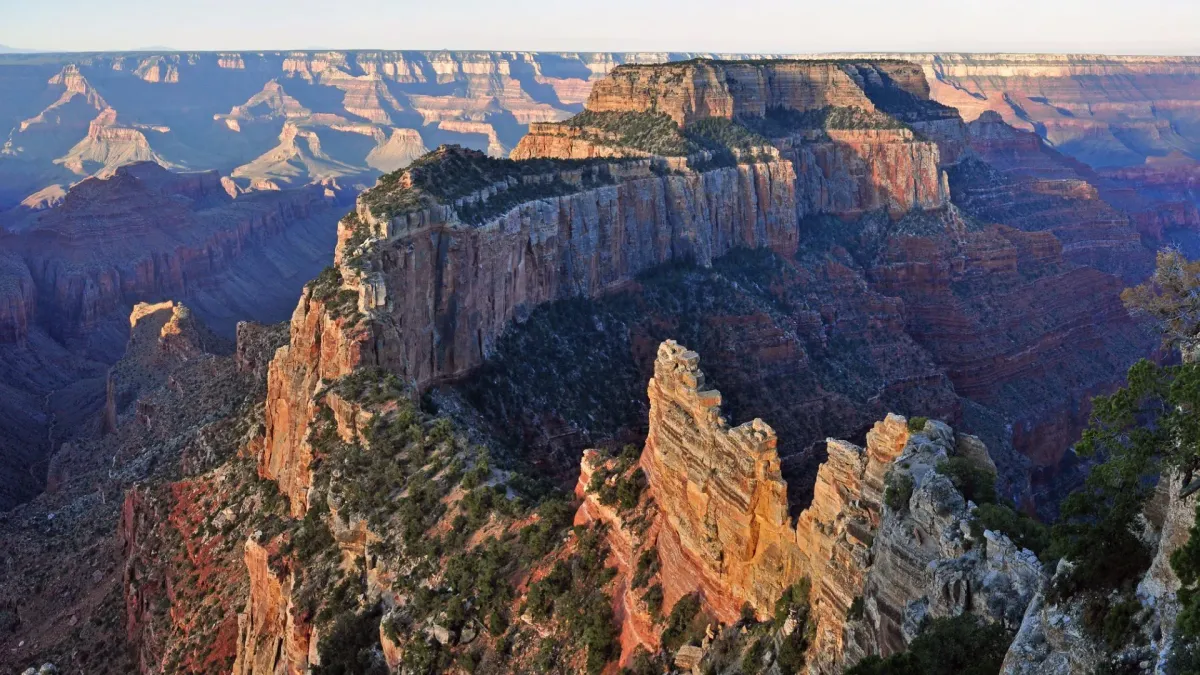
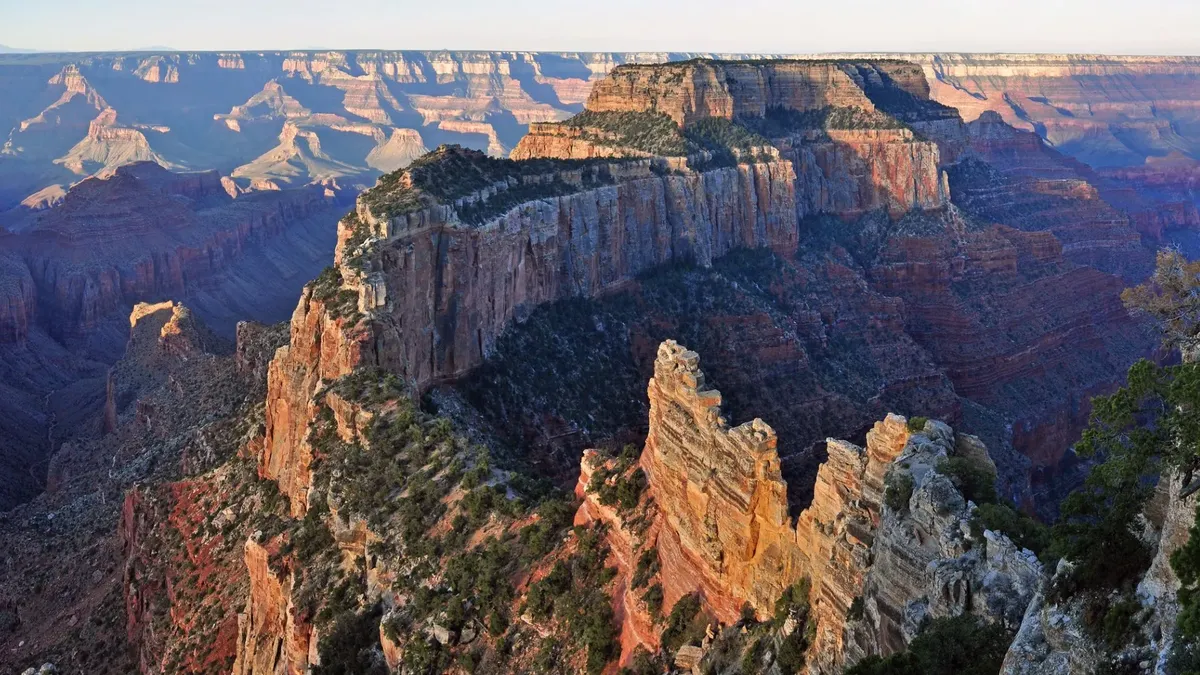
The Grand Canyon is famous for its layered history, showcasing about two billion years of Earth's past. But then there's the Great Unconformity—a surface where more than a billion years of rock simply isn't there. It's like finding a family photo album with a huge chunk of pages ripped out. Geologists have pondered this missing chapter for ages, pinning it on everything from tectonic shifts to ancient ice ages.
This new research suggests the continent-sized cliff, born from Rodinia's dramatic exit, created the ideal conditions for intense, long-term erosion. Instead of one single, cataclysmic event, the varying amounts of missing rock across the southwestern U.S. might be best explained by this enormous, migrating landscape feature and its relentless work.
And the implications stretch beyond just one very famous ditch. Researchers believe this ancient cliff could have profoundly influenced everything from ancient river systems to continental flooding, long before complex life started rapidly diversifying during the Cambrian explosion. So, the next time you marvel at the Grand Canyon, remember you might also be looking at the lingering clues of a vanished landscape feature that literally reshaped a continent—and took a billion years with it.