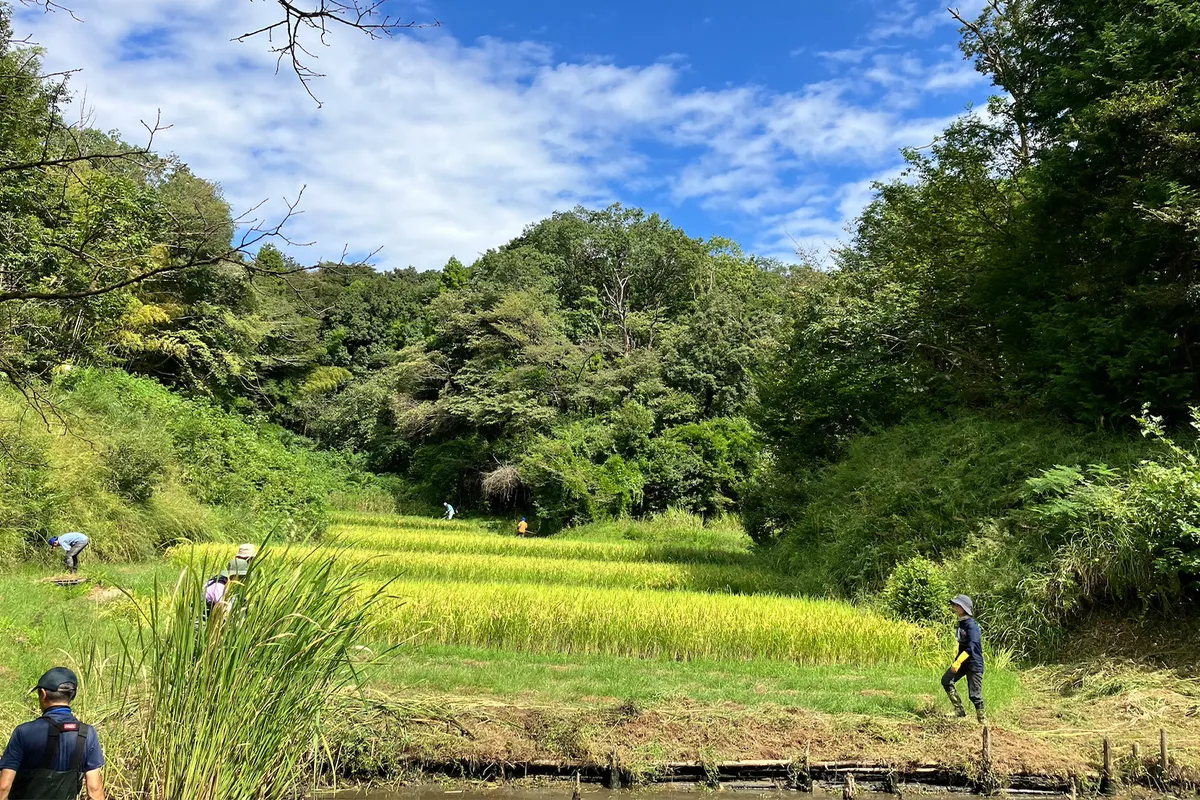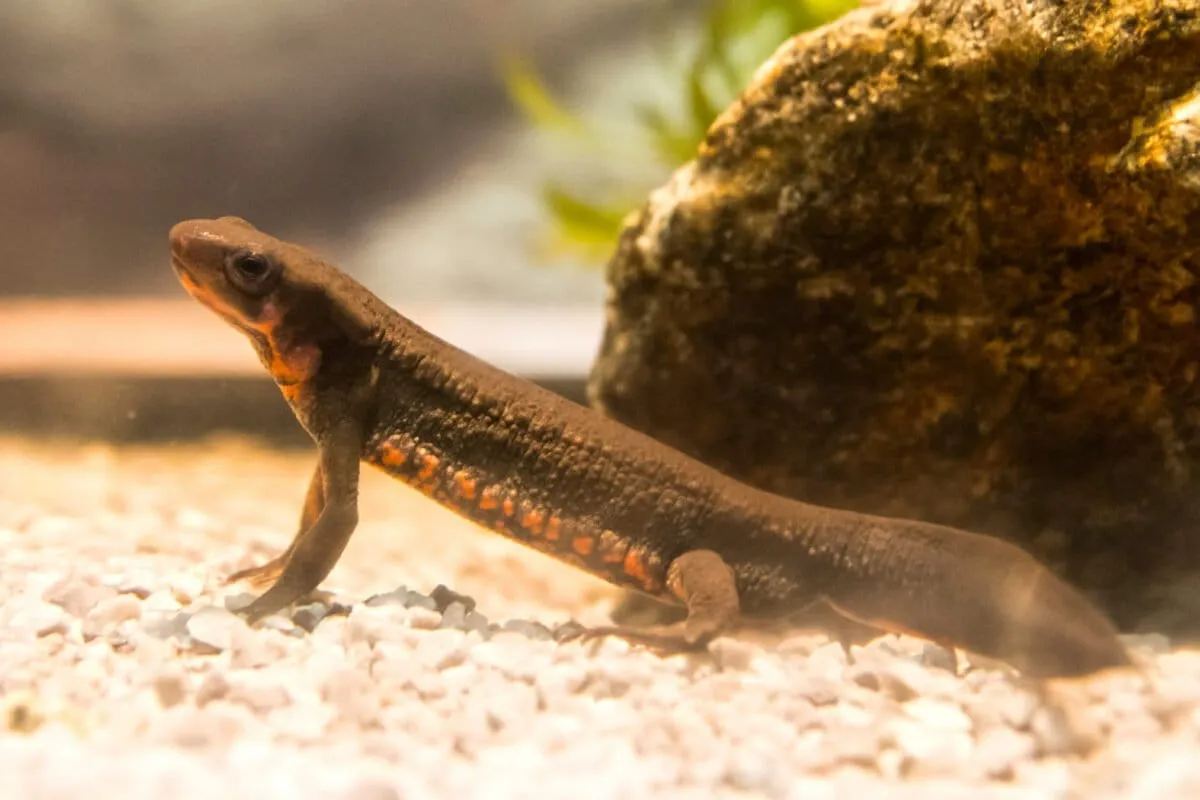
Tokyo, a city known for its neon glow and relentless pace, is quietly nurturing an ancient form of biodiversity right in its western suburbs. It's called satoyama – traditional Japanese rural landscapes, shaped by human hands over centuries, now home to endangered species and a treasure trove of forgotten knowledge. Think of it as a living museum, if the museum also had rare frogs.
But here's the twist: saving these green pockets isn't about brute force or top-down mandates. A new study, published in Frontiers in Water, reveals Tokyo's secret sauce: "gentle power." It’s a wonderfully understated term for something pretty powerful: collaboration and mutual trust between locals and the local government. Because apparently, saving nature works better when everyone's actually talking to each other.

The Zushi-Onoji Historical and Environmental Conservation Area is the poster child for this approach. It wasn't always smooth sailing – early days saw plenty of disagreements. But eventually, a collaborative spirit won out. Which is good news, because these satoyama landscapes are crucial. Many of Japan’s unique plants and animals have evolved to thrive specifically within these human-managed environments. It's an ecosystem built on an ancient partnership.
We're a new kind of news feed.
Regular news is designed to drain you. We're a non-profit built to restore you. Every story we publish is scored for impact, progress, and hope.
Start Your News DetoxUnfortunately, these landscapes are vanishing faster than a free sample at Costco, thanks to urban sprawl and changing land use. This decline has been a steady drumbeat since the mid-1900s, taking countless species with it. Japan's government has poured money into saving satoyama, but the "gentle power" study offers a dry, pointed warning: conservation efforts that ignore community input and local needs are basically just spinning their wheels. It’s a common problem, not just in Japan, but globally.
So, while the world often looks to grand gestures for environmental salvation, Tokyo is proving that sometimes, a little gentle persuasion and a lot of listening can make all the difference. Who knew saving the planet could be so polite?