Queen conch snails were once common in the Caribbean. Fishers could easily find them in shallow waters. But today, these large marine snails are disappearing across the Gulf of Mexico and the Caribbean Sea. Some populations have already vanished.
This decline is due to several factors. People are harvesting too many conch for their meat and shells. Their habitats are also being damaged by pollution and warming ocean waters.
Even with efforts to protect them, like trade regulations and fishing bans, few queen conch survive to adulthood. This is much lower than in the past.
We're a new kind of news feed.
Regular news is designed to drain you. We're a non-profit built to restore you. Every story we publish is scored for impact, progress, and hope.
Start Your News DetoxTo help more conch reach reproductive age, scientists are using a new approach. They are deploying solar-powered mobile hatcheries. These hatcheries protect the young conch during their most vulnerable stages.
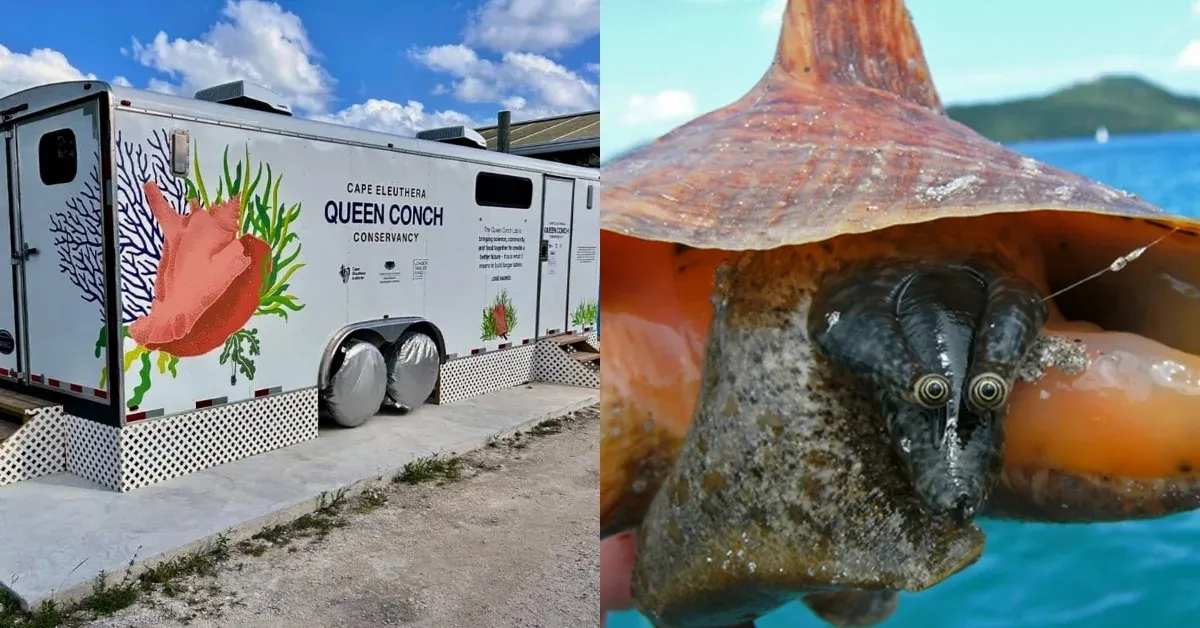
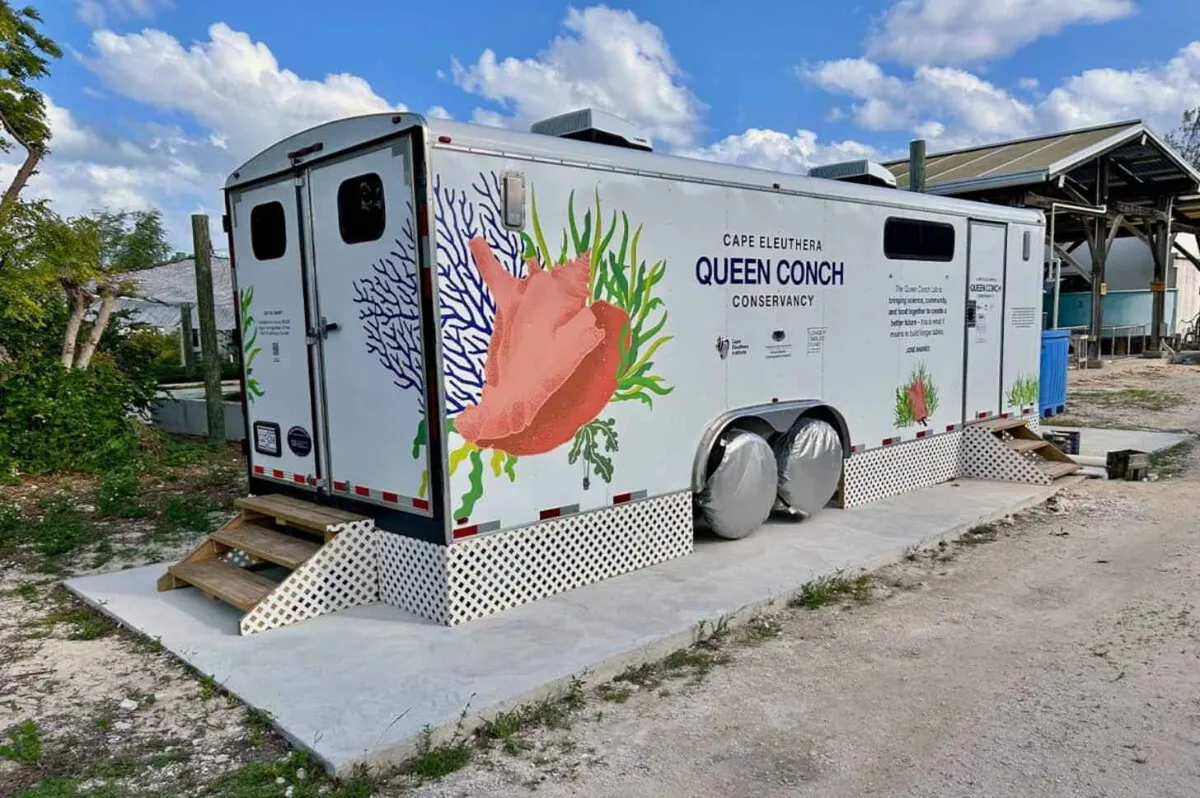
The Queen Conch Lab, part of Florida Atlantic University, works with local groups to set up these hatcheries. The goal is to raise young conch and create community spaces. Here, people can learn about the conch's life cycle and help with conservation.
Megan Davis, who directs the Queen Conch Lab, explained that these hatcheries bring together aquaculture, fishing, conservation, and restoration. This helps local communities understand what is needed to manage conch populations well.
In June, the eighth mobile lab opened in Eleuthera, Bahamas. It celebrated its first hatch and plans to release up to 2,000 young conch each year. This number is significant, but a 2022 study found that only one in 4,000 to 10,000 young conch typically survive to adulthood. This makes it hard for the species to recover.
The study also noted that predators cause most of the deaths of young conch. Fishing for underage conch and disturbances to their shallow nurseries from environmental changes also contribute to their high mortality.
Hatcheries Offer Hope
During spawning season, a female queen conch lays an egg mass with hundreds of thousands of eggs. After fertilization, the larvae develop for 21 days, floating in the ocean. Then, they change into juvenile conch and settle on the seafloor. Surviving these early stages is very difficult, which is where the mobile hatcheries play a role.
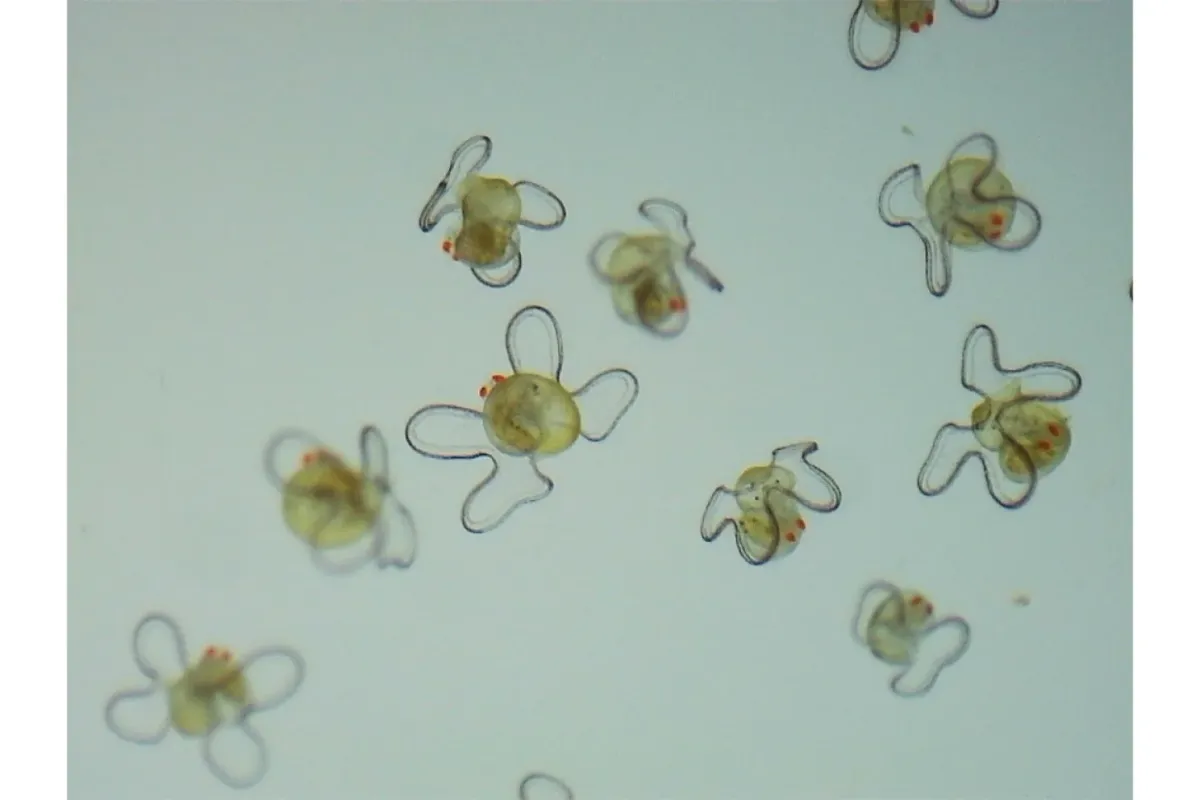
First, fishers collect about a quarter of an egg mass from an adult female queen conch. At the lab, these eggs incubate for four to five days. After hatching, thousands of tiny veligers, which are plankton-sized larvae, feed on phytoplankton grown in the hatchery.
When the veligers are ready to change, staff place them on trays in seawater with seagrass blades. These blades have diatoms, which are the conch's favorite food on the seafloor. This cues them to transform from free-swimming larvae into crawling snails. Two months later, they are moved to sand-bottom trays to grow another 3 to 3.5 inches.
At one year old, the young conch leave the lab for protective pens. They stay there for one to two months to get used to life back at sea. Then, they are moved to a wild conch nursery. It will take another two to three years for them to become adults.
Connecting with Communities
The mobile labs are about 8 feet wide and 20 feet long. Their size allows them to be easily shipped from Florida to Caribbean islands. They can also be moved to a safer spot during hurricanes or other bad weather. The hatcheries use solar power, but they also connect to the local power grid during the hottest times of the year. This extra power runs air conditioning and water chillers to cool the seawater in the larval tanks.
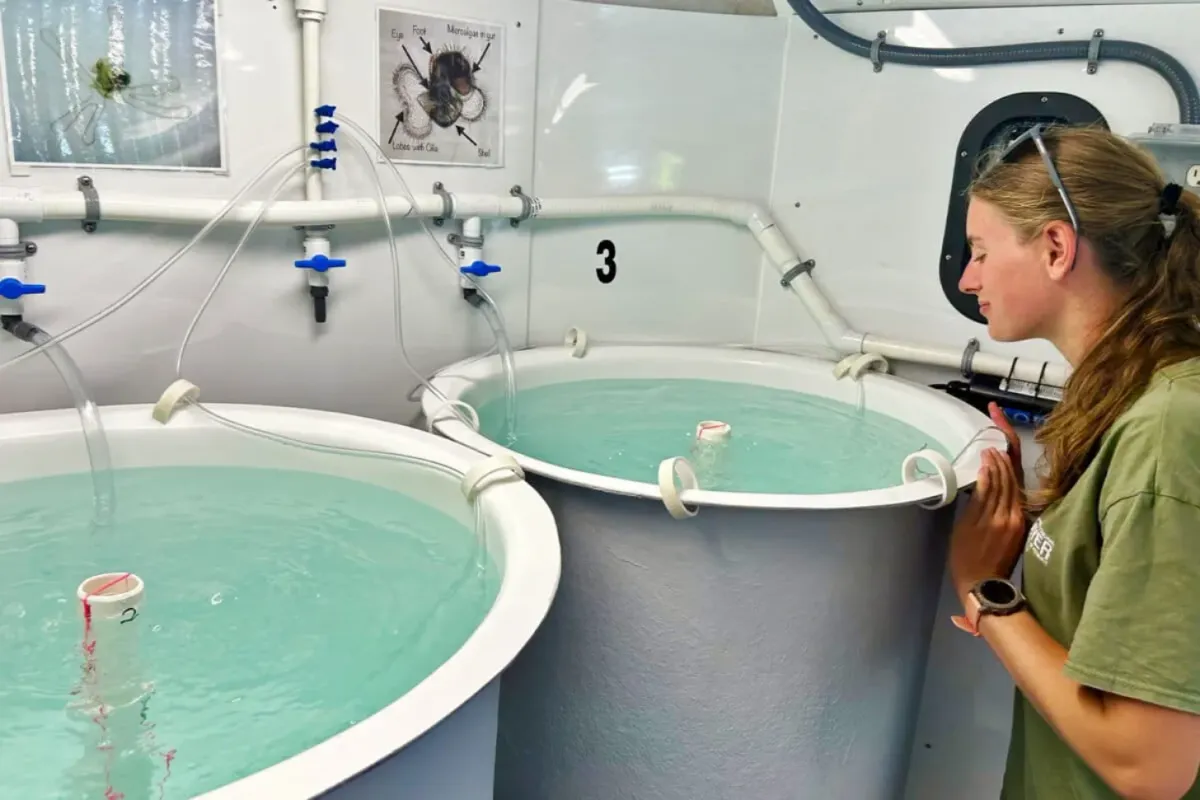
Since the first mobile lab launched in 2022, communities in Jamaica, Puerto Rico, and the Bahamas have partnered with the Queen Conch Lab. More hatcheries are planned for Cataño, Puerto Rico; Fort Pierce, Florida; and Providenciales, Turks and Caicos Islands. Davis said interest has grown as her team shares information about the hatcheries on social media and promotes their vision for a regional network.
Each hatchery employs two to three people. Local staff, some without prior marine biology experience, maintain the labs. They grow food for the conch and manage visits from local schools.
Davis believes the hatcheries serve as important educational resources. They help communities, who know conch as a food source, learn about the species' life cycle and the threats it faces. She noted that sharing this information helps people understand that conch take a long time to grow before they should be fished.
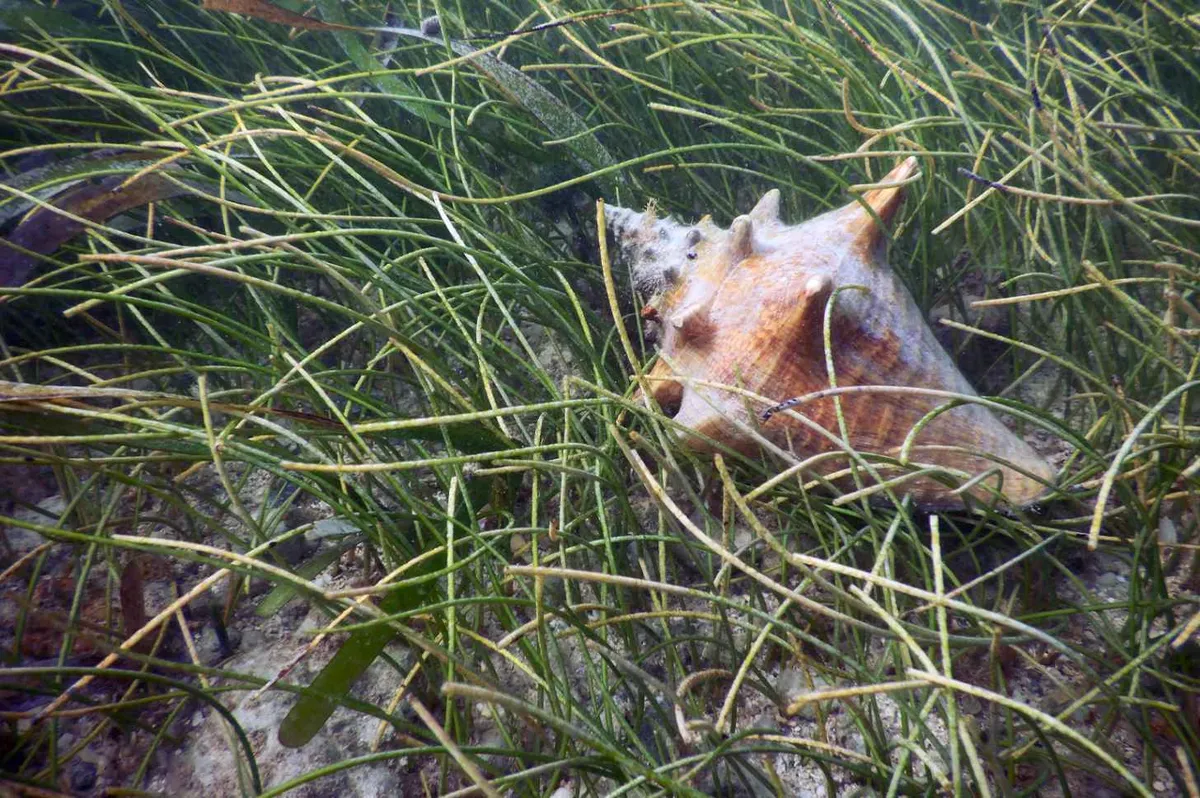 Caption: Queen conch (Aliger gigas) in seagrass. Dr_Z/iNaturalist (CC BY-NC 4.0)
Education, Not Yet Full Restoration
Andrew Kough, a research biologist at the Shedd Aquarium, agrees that conch aquaculture, including mobile hatcheries, is great for education and community involvement. However, he noted that no peer-reviewed research has yet shown that aquaculture can significantly restore wild conch populations.
Kough sees conch aquaculture as a valuable symbol that helps people connect with ocean conservation. But he added that more research is needed to understand how conch aquaculture impacts the replenishment of wild fisheries.
Davis, who co-authored a 2023 study on conch development with Kough, also believes more research is necessary. She hopes that the release of thousands of conch from a stationary hatchery in Curaçao in 2025, and from a mobile hatchery in Jamaica later this year, will lead to more conch reaching maturity and reproducing in the wild.
Ultimately, Davis feels the success of the mobile hatcheries is best measured by their ability to support community-led conservation. While the impact of restorative aquaculture is still being studied, she said the hatcheries show that "there will always be a way to grow conch."
Deep Dive & References
Pollution - Fisheries Science & Aquaculture, 2023 Warming Waters - Nature Climate Change, 2019 2022 Study - Fisheries Science & Aquaculture, 2022 Paper on Conch Aquaculture's Potential - Oryx, 2025 2023 Study - Fisheries Science & Aquaculture, 2023