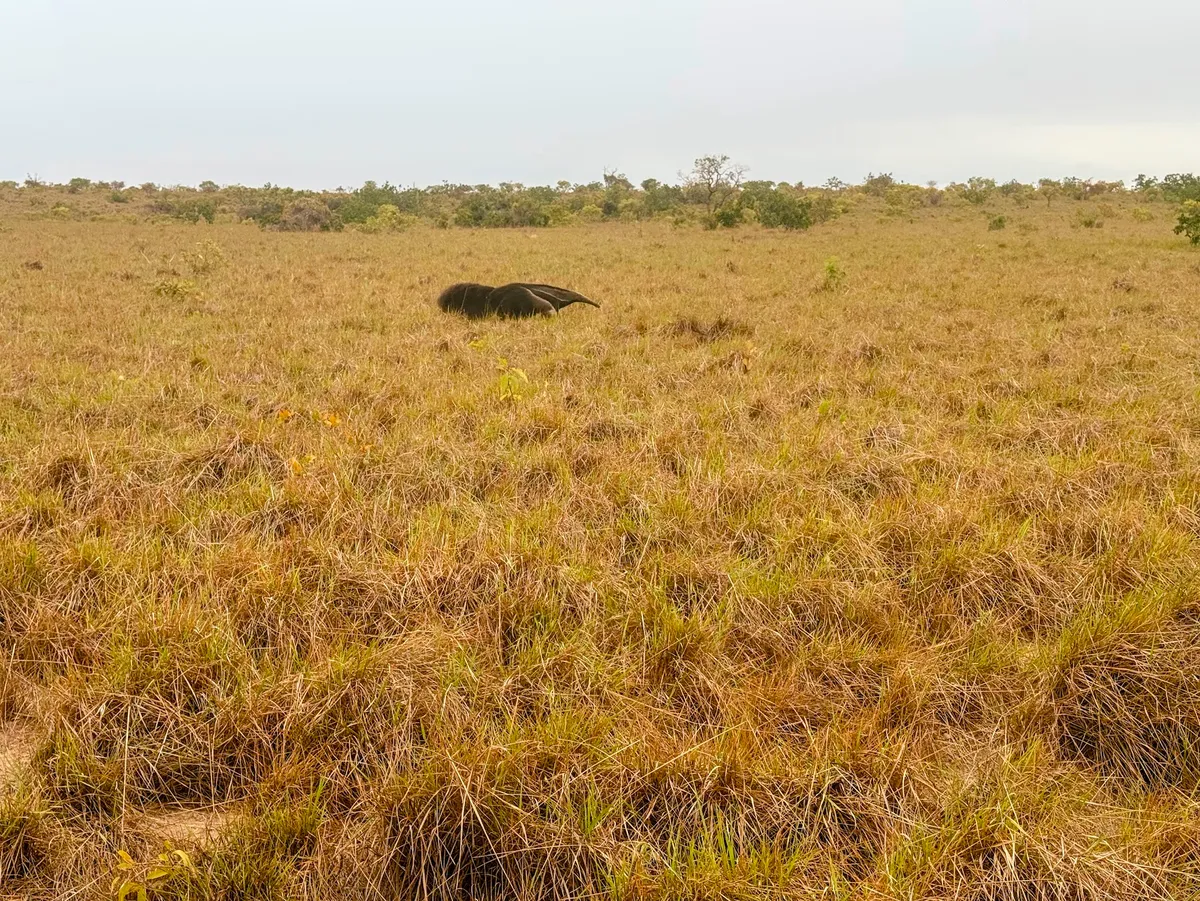
In Guyana's South Rupununi, Leroy Ignacio, head of the South Rupununi Conservation Society (SRCS), points to some serious claw marks on a tree. Not from a bear, but from a giant anteater, apparently doing what giant anteaters do: rubbing its back on trunks to leave a scent. Because, you know, personal hygiene and territorial claims.
Indigenous researchers had been watching anteaters climb and mark trees for ages, but scientists mostly shrugged. So, the SRCS teamed up with four Indigenous communities, slapped cameras on the locals' identified trees, and recorded 883 visits. Turns out, these solitary creatures are actually pretty social, using trees as their version of a community bulletin board. Who knew?
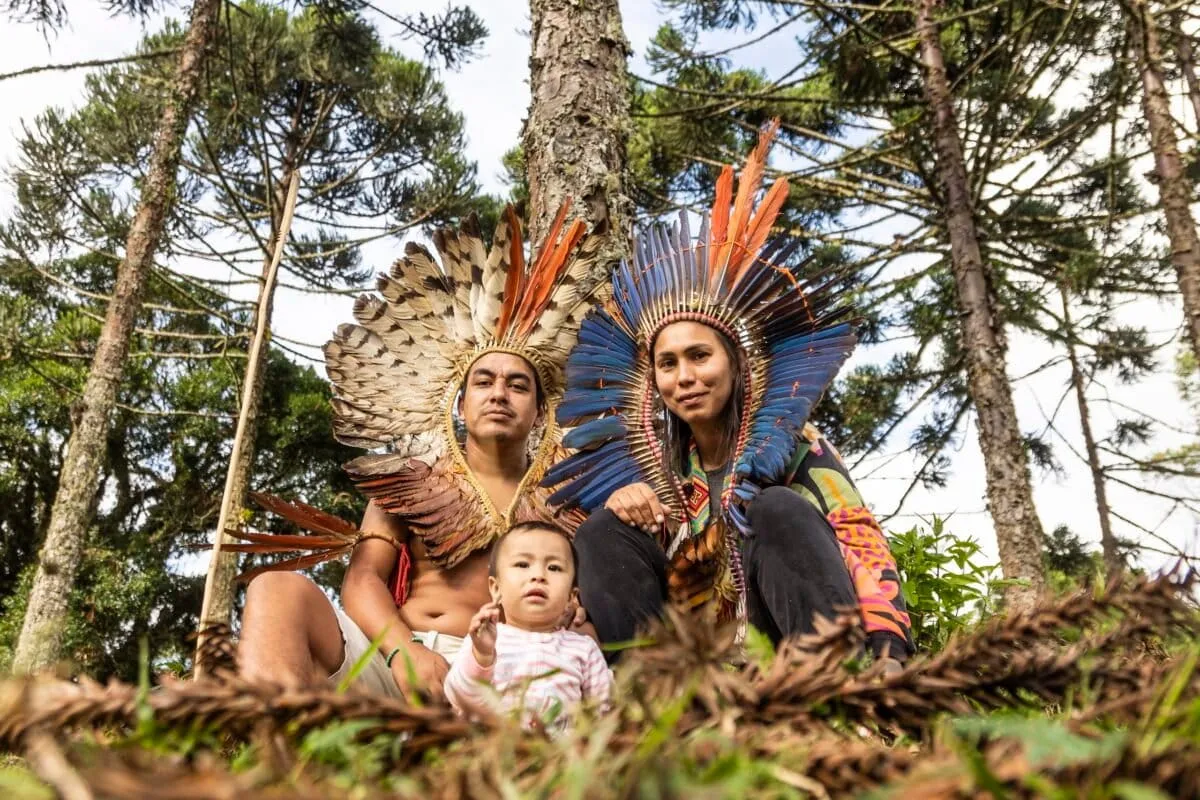
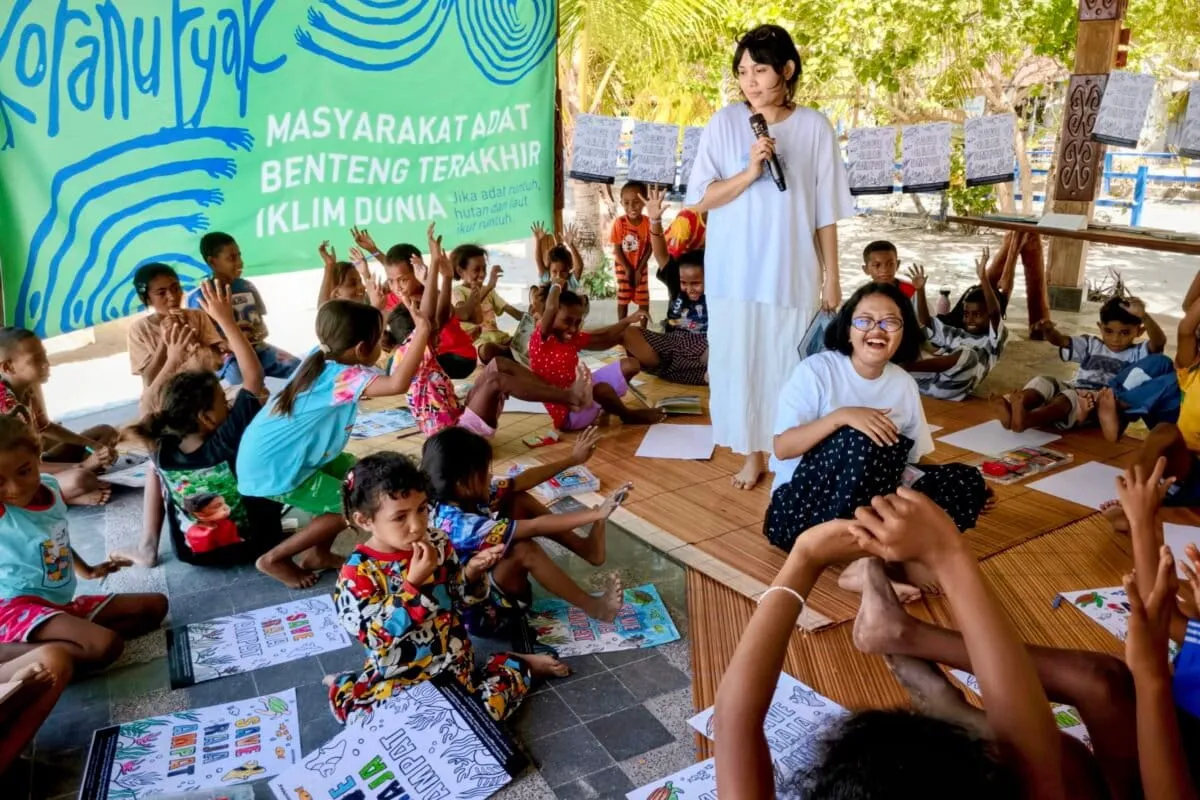
For nearly 25 years, the SRCS has been proving that when it comes to conservation, the people who actually live with the wildlife often know best. Their members are farmers, teachers, and villagers, all working together to study local animals, set conservation rules, and teach everyone else about the glorious mess of their local ecology.
We're a new kind of news feed.
Regular news is designed to drain you. We're a non-profit built to restore you. Every story we publish is scored for impact, progress, and hope.
Start Your News DetoxBefore SRCS, Indigenous-led conservation in the Rupununi was mostly a patchwork of individual projects and traditional care by Makushi and Wapichan communities. Effective, but localized. Then came a little bird. A very, very rare little bird.
The Bird That Broke Down Walls
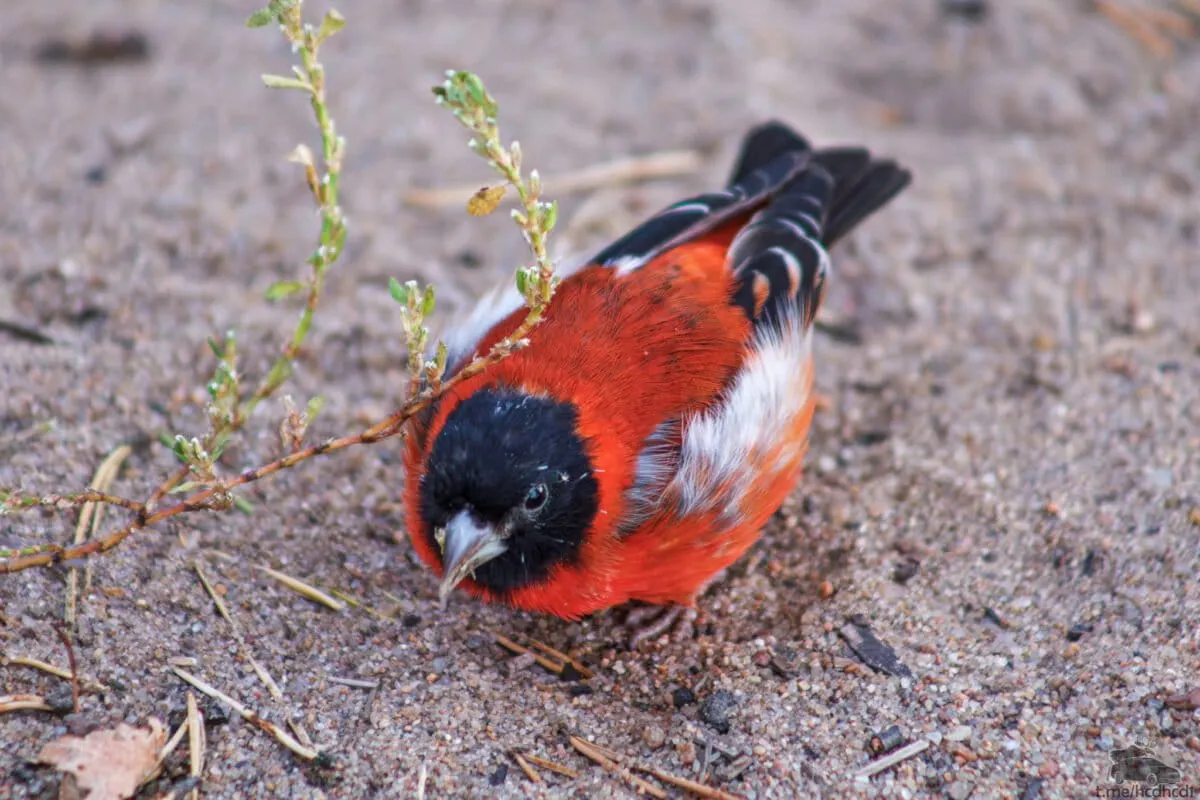
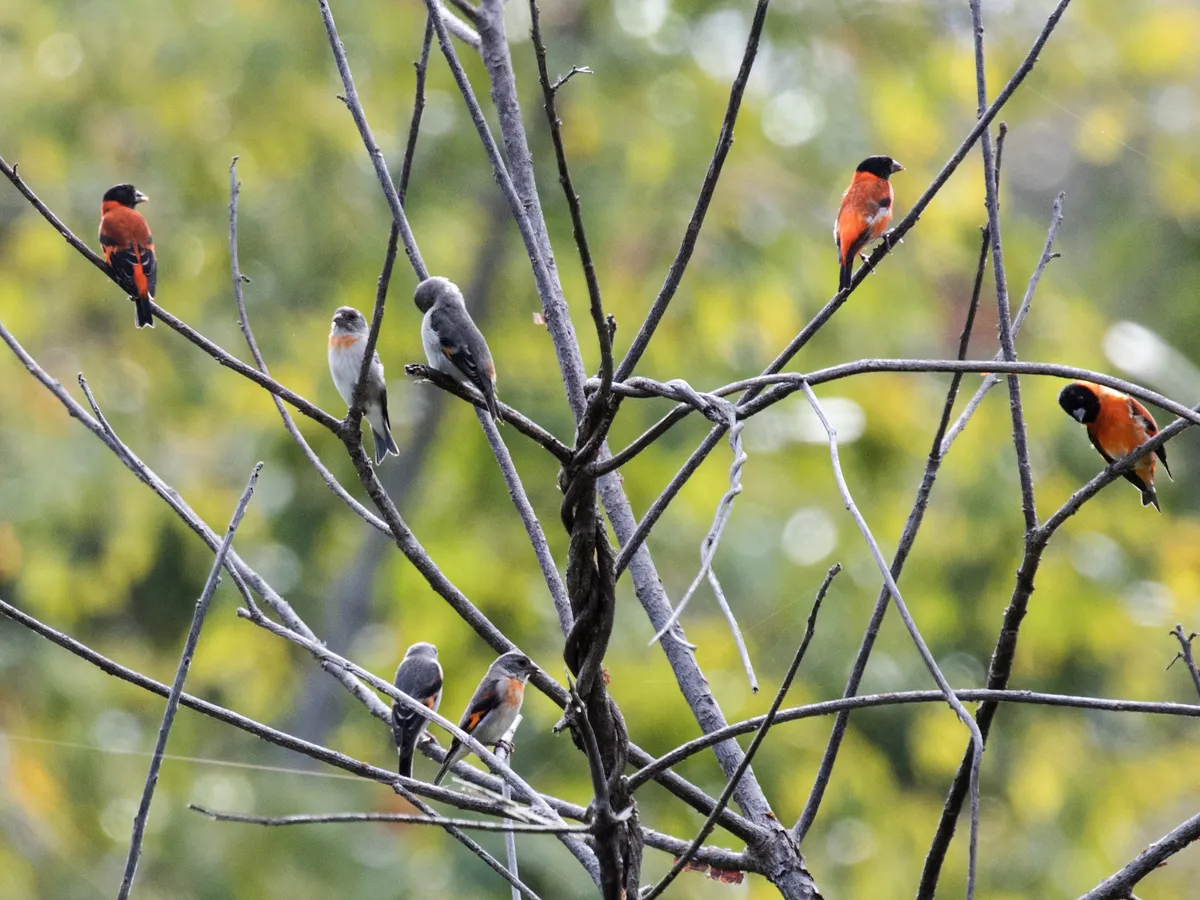
The discovery of the endangered red siskin (a bird so vibrant it looks like it flew out of a crayon box) changed everything. Suddenly, different communities across the South Rupununi realized they had a shared mission. Because apparently, nothing brings people together like a tiny, colorful feathered creature on the brink.
Ignacio remembers it all kicked off with a scientific expedition back in 2000. Smithsonian and University of Kansas researchers rolled into the South Rupununi to survey birds. Among them were Duane De Freitas and other young Indigenous residents, who probably had no idea they were about to spark a movement. All because of a bird that just wanted to live its best red life.