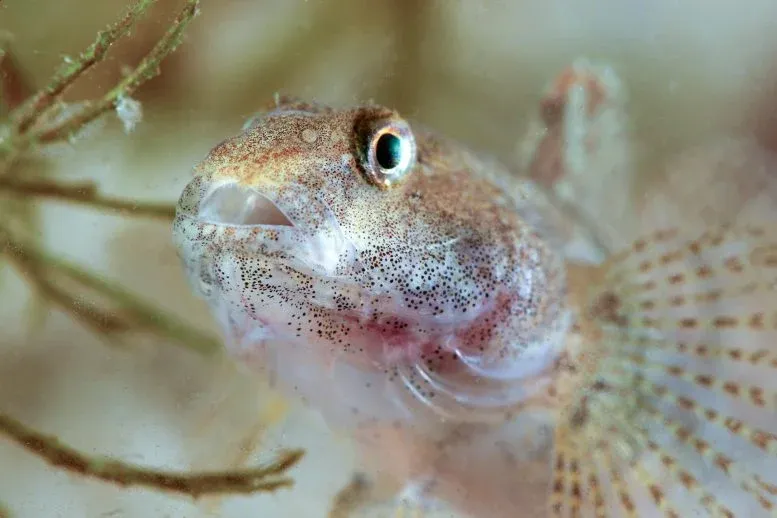
Round gobies, an invasive fish species, have taken over the Great Lakes. Scientists estimate their population in the billions. While it's too late to remove them from the Great Lakes, researchers believe we can still stop their spread into other waterways.
A New Strategy for Inland Waters
Professor Nick Mandrak and postdoc Piatã Marques from U of T Scarborough suggest a new approach. They argue that efforts should now focus on preventing the gobies from establishing themselves in rivers, streams, and other inland waters.
Mandrak, an expert in invasive species, explained that the Great Lakes are essentially "lost" to round gobies. However, the fish are now moving into connected and isolated waters. This offers a chance to slow or stop their spread.
We're a new kind of news feed.
Regular news is designed to drain you. We're a non-profit built to restore you. Every story we publish is scored for impact, progress, and hope.
Start Your News Detox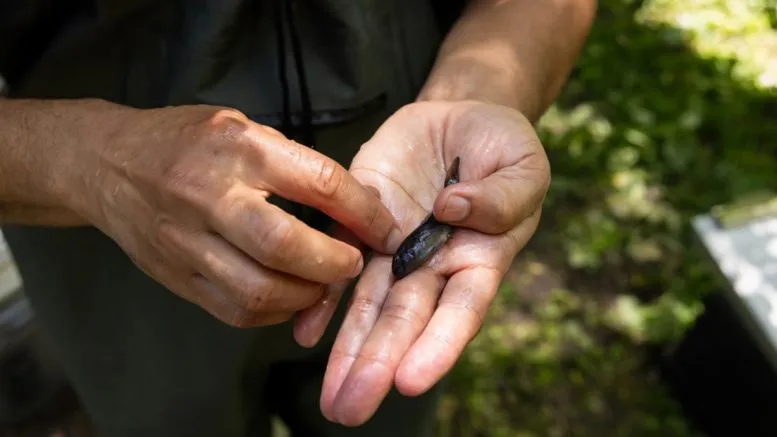
Round gobies are small, but they have a big impact. They compete with native fish for food and habitat. They also eat fish eggs and young, disrupting the aquatic food web. These fish are native to the Black and Caspian seas and arrived in the Great Lakes in the early 1990s via cargo ship ballast water.
Slow Spread Offers Hope
The researchers found that round gobies move much slower in smaller waterways. They typically advance only a fraction of a kilometer to about two kilometers each year upstream. This slower pace provides a crucial window for intervention.
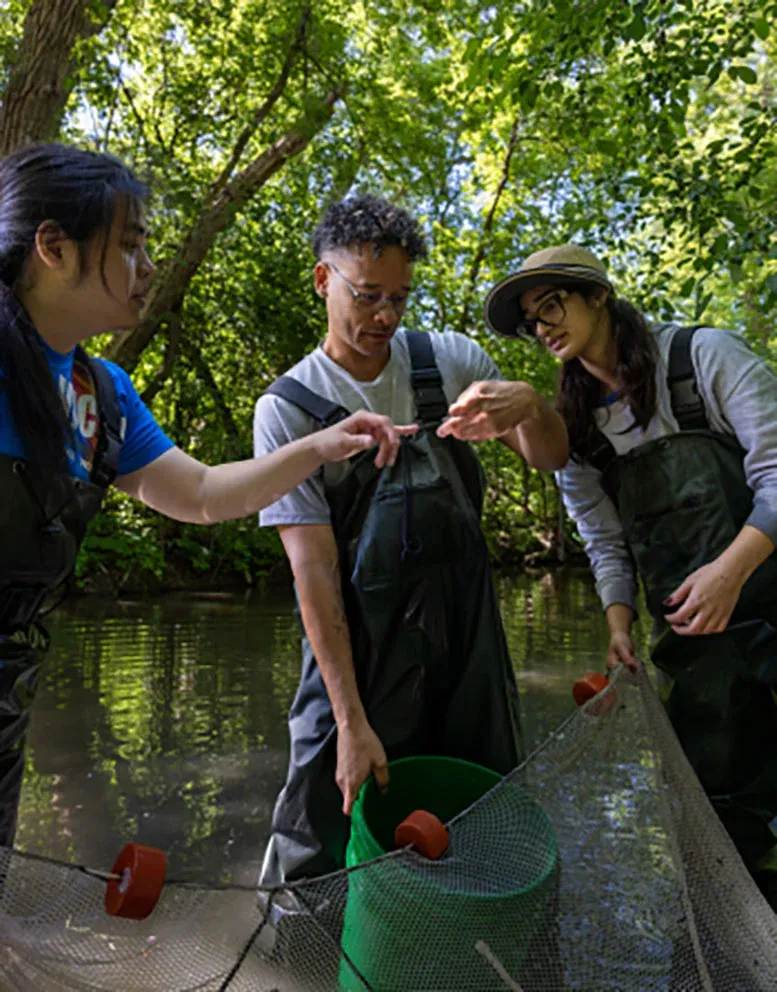
Because rivers and streams are smaller and more accessible, targeted control methods are more feasible. Experts suggest using trapping, electrofishing, physical barriers, and rapid response programs. These methods could reduce local populations and potentially eliminate the fish in some areas.
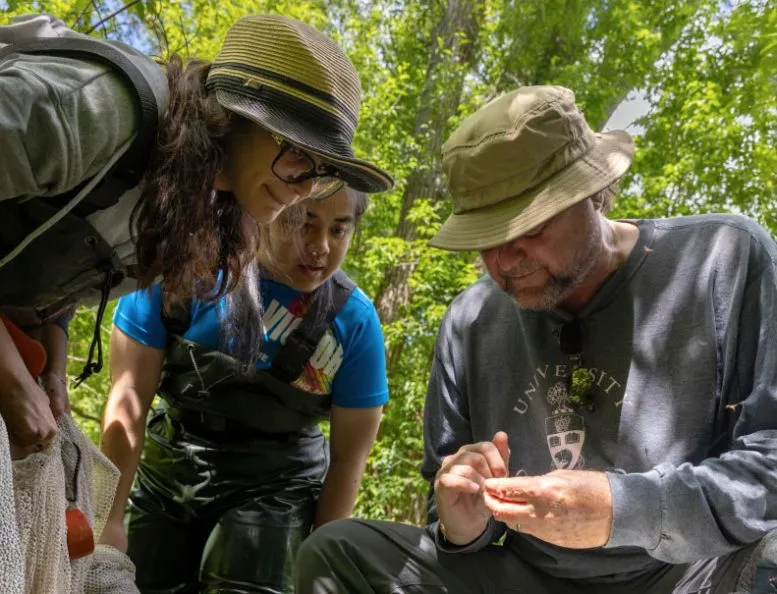
Understanding how round gobies adapt to new habitats is also key. Researchers are studying their diet, how they compete with native species, and if urbanization helps them move upstream. They are also testing environmental DNA (eDNA) to detect invasions early.
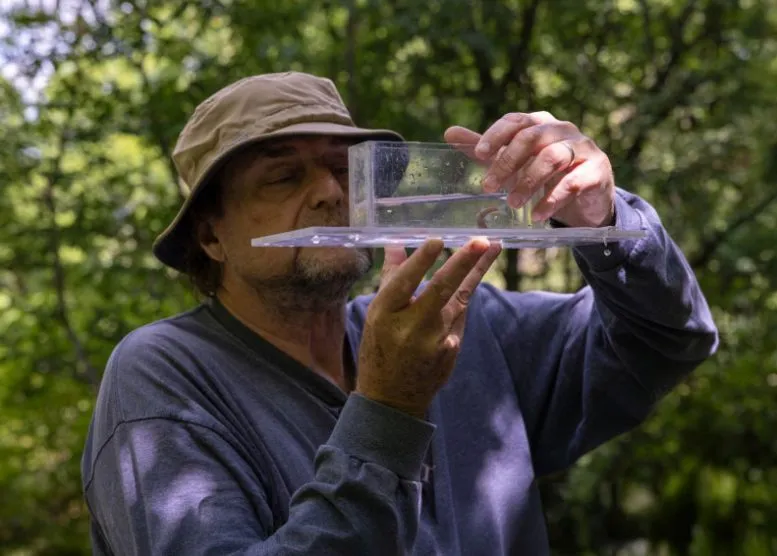
Urban development might also be making it easier for round gobies to colonize some waterways. Road salt and other pollutants can increase dissolved ions in streams. This could create conditions favorable for the fish, which are adapted to brackish waters.
Mandrak emphasizes the importance of acting early. Protecting inland ecosystems now, before round gobies become firmly established, offers the best chance to preserve native biodiversity.
Deep Dive & References
Urgent need for reassessing mitigation actions as long-term, well-established, invasive species secondarily spread into new habitats - Journal of Great Lakes Research, 2026