Cement. It's the unsung hero holding our world together, second only to water in terms of sheer usage. It's also a surprisingly dirty business, responsible for about 8% of global carbon emissions. That's a billion metric tons of CO2 annually, just for something we walk all over.
But what if you could make cement faster, hotter, and with a dramatically smaller carbon footprint? Researchers at Stanford University decided to ditch the traditional, fossil-fuel-guzzling kilns that haven't really changed since 1824. Their solution? Plasma. Because apparently, that's where we are now.

The Future Is Electric (and Very Hot)
Traditional cement-making involves baking limestone and clay at a cozy 2,552°F (1,400°C) for hours. All that heat comes from burning fossil fuels, and a lot of it just drifts away, making the process only 30-40% efficient.
We're a new kind of news feed.
Regular news is designed to drain you. We're a non-profit built to restore you. Every story we publish is scored for impact, progress, and hope.
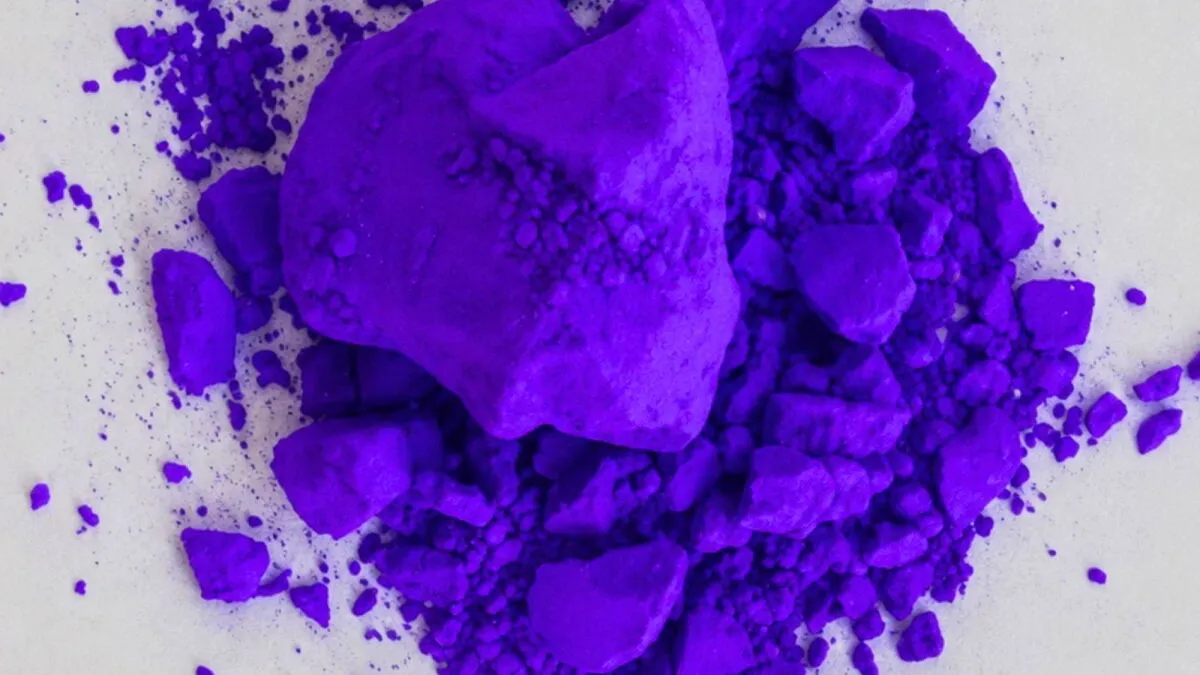
Start Your News DetoxThe Stanford team's new method blasts raw materials with plasma, which is essentially electricity zapping through ionized gas. This creates temperatures above 4,352°F (2,400°C) — nearly double the heat of an old-school kiln. The result? Cement clinkers in seconds, not hours. That's roughly 100 times faster. Let that satisfying number sink in.
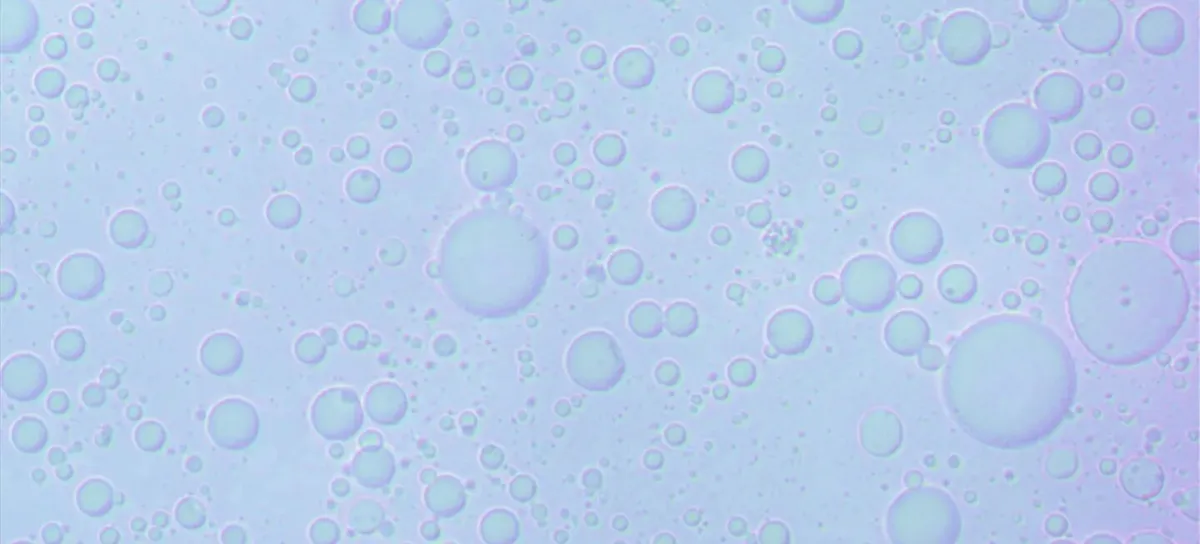
This isn't just about speed, though. The plasma method uses about 80% of its heat directly, meaning less waste. And the cement it produces? Just as strong, just as workable. In fact, electron microscope images show tiny defects created by the plasma process that actually help the cement set faster and stronger. Think of it as a super-efficient, super-hot shortcut to sturdy buildings.

Even better, this plasma process can munch on recycled cement waste as its raw material, reducing the need for new limestone and clay. Imagine a world where our concrete jungle could literally eat its own leftovers. If powered by renewable electricity, the entire process could become emission-free.
The next step? Convincing an industry steeped in 200 years of tradition that zapping rocks with super-hot electricity is the way forward. But if it means drastically cutting emissions and making cement 100 times faster, it might just be the hottest idea to hit construction in centuries.