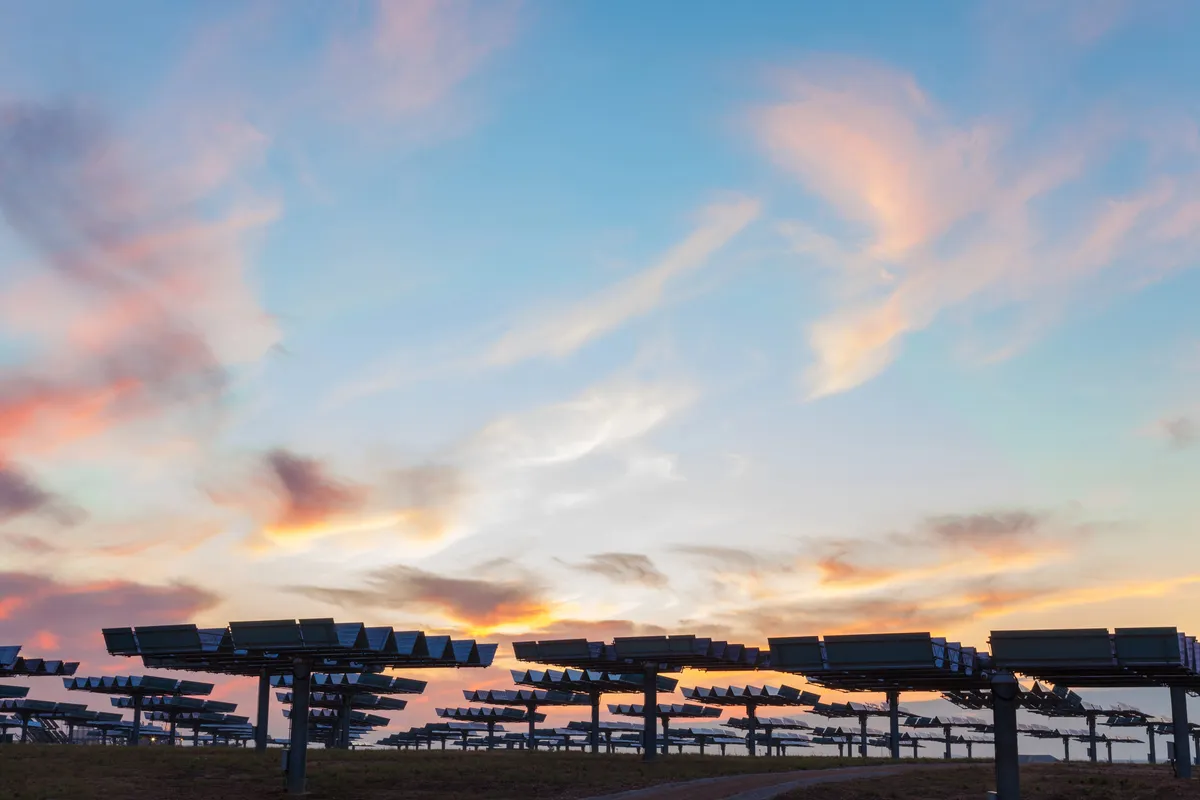
Remember when hitting a terawatt of solar power felt like science fiction? Well, the world just blew past three terawatts, and it did so with the kind of speed usually reserved for teenagers on TikTok.
Here’s the kicker: The first terawatt took nearly 68 years to achieve. The second? A breezy two years. The third? Just 19 months. Let that satisfying number sink in. We officially crossed this milestone in early 2026, and the growth isn't just accelerating; it's practically breaking the sound barrier.
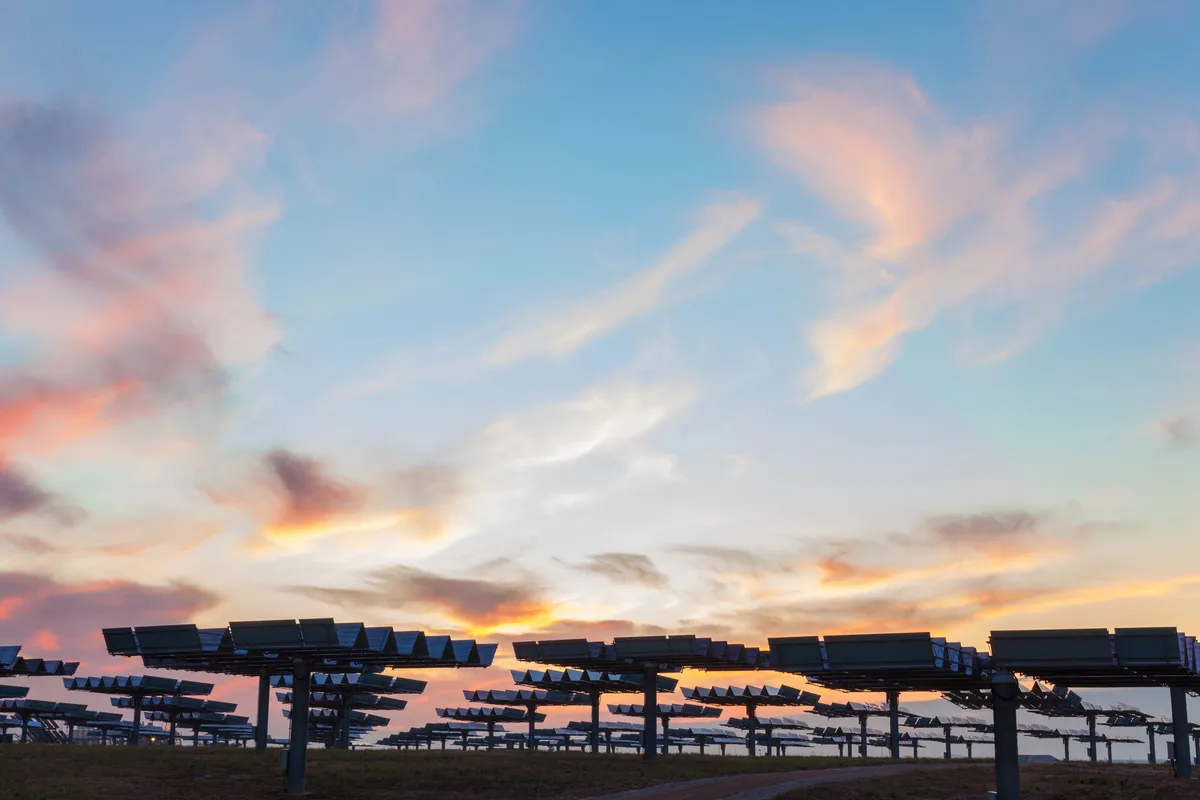
In 2025 alone, global solar capacity shot up by 664 gigawatts—a 12% jump from the year before. And in the first quarter of 2026, solar and battery storage accounted for a whopping 91% of all new grid capacity in the United States. For context, wind and solar combined generated 22% of global electricity in April 2026, officially outperforming natural gas for the very first time. Natural gas managed 20%. Take that, fossil fuels.
We're a new kind of news feed.
Regular news is designed to drain you. We're a non-profit built to restore you. Every story we publish is scored for impact, progress, and hope.
Start Your News DetoxWho's Powering This Solar Surge?
Initially, it was the deep pockets of wealthy nations, propped up by subsidies, that laid the groundwork. But now, China is the undisputed heavyweight champion, responsible for over half of all new solar installations worldwide. Their secret weapon? Massively driving down panel prices, making solar an actual option for countries that couldn't even dream of it a decade ago.
This affordability means some of the most dynamic growth is happening where it’s needed most. Countries like Pakistan, Nigeria, the Philippines, and Cuba are seeing rooftop solar explode as households look to escape the ever-climbing cost of traditional energy. We've now got 74 countries with at least a gigawatt of solar capacity, up from 42 in 2020. Solar now supplies roughly nine percent of the world’s electricity, a tripling from just six years ago.

The Next Big Hurdle: Storage
Naturally, such breakneck growth exposes a few weak spots. In China, solar deployment has outpaced the build-out of transmission lines and battery storage, meaning power sometimes goes to waste during peak hours because the grid just can't handle it all. China's latest Five-Year Plan is now aggressively shifting focus from merely building capacity to actually using it.
This is where battery storage steps in, ready to save the day. As Lara Hayim, head of solar research at BloombergNEF, points out, "Without enough energy storage, you cannot maximize solar’s potential." So, it's no surprise that countries with rapid solar adoption, like Pakistan and the Philippines, are also seeing a corresponding boom in battery installations. Solving this storage gap is the next big challenge, and if it's not tackled head-on, solar's meteoric rise might just hit a speed bump.
BloombergNEF predicts over 9 terawatts of solar by 2036—three times what we have now. But given how quickly the last two terawatts arrived, you have to wonder: Is even that estimate a little too conservative?