Nobody wants to hear the words "nuclear power plant" and "pipe break" in the same sentence, let alone the same universe. Which is why researchers at Seoul National University of Science and Technology just spent a good chunk of time figuring out how to make sure those words stay far, far apart.
They've cooked up a new way to predict the likelihood of coolant pipes rupturing in nuclear plants. Think of it as a crystal ball, but for microscopic cracks and material stress, and a lot less mystical. This method helps engineers pinpoint exactly which failure risks deserve their undivided, slightly panicked attention.
The 80-Year Crack Marathon
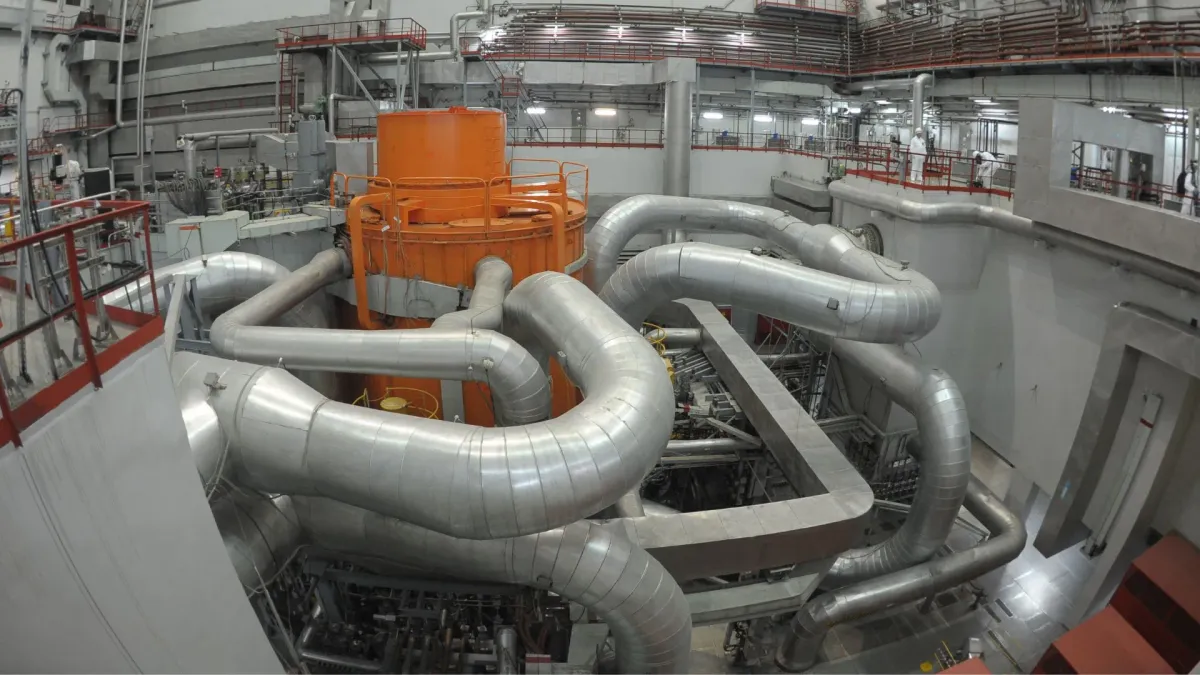
Instead of making educated guesses, this team went full probabilistic fracture mechanics (which sounds complicated because it is). They modeled two specific piping systems in a Korean nuclear plant and simulated 80 years of operation. Because apparently, 79 years just wasn't enough to really get a handle on things.
We're a new kind of news feed.
Regular news is designed to drain you. We're a non-profit built to restore you. Every story we publish is scored for impact, progress, and hope.
Start Your News DetoxThey focused on stress corrosion cracking — essentially, tiny fissures forming due to a combination of stress and a corrosive environment. Then they started tweaking variables like weld residual stress (the leftover tension from welding), crack growth rate, and how effective repairs and inspections were.
What they found was a bit like a dramatic reveal on a game show: Not all factors are created equal. Weld residual stress was the undisputed champion of influence. Mess with that, and your rupture predictions went wild. Crack growth rate also had a starring role.
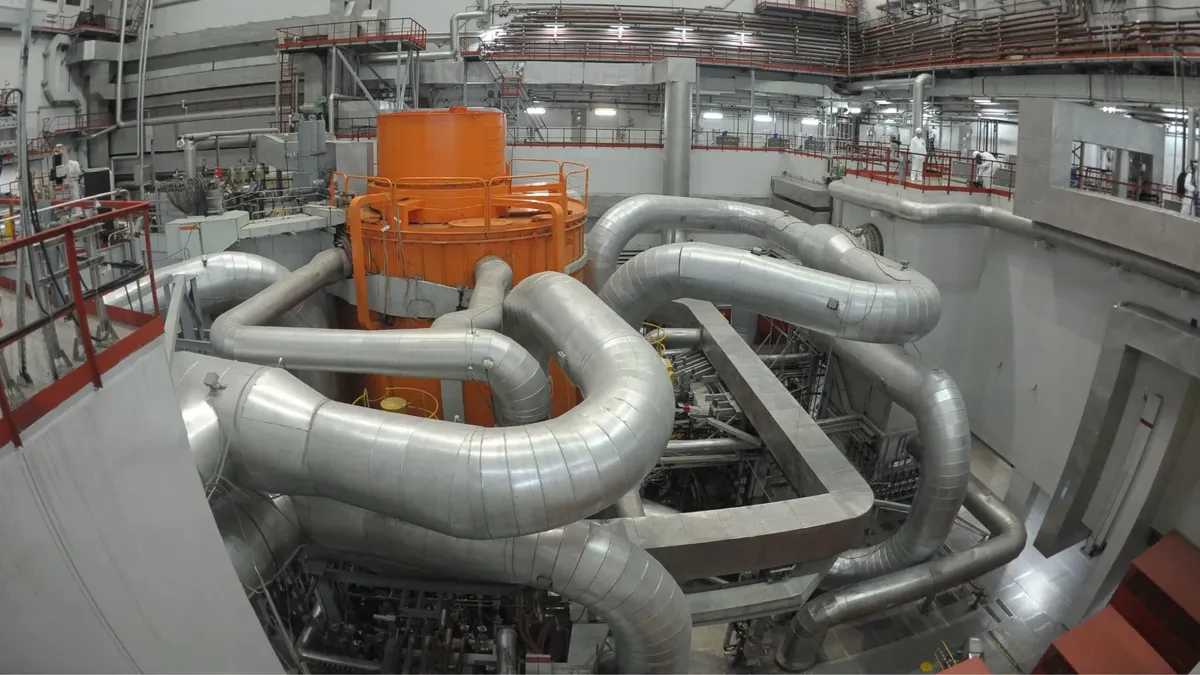
Interestingly, one component — a surge nozzle — showed absolutely zero ruptures in any scenario. Because sometimes, even in the high-stakes world of nuclear engineering, some things just hold up. Also, adding weld-overlay repairs (think of it as a structural band-aid) made both piping systems rupture-free. So, good news there.
But the real hero? Inspections. Regular check-ups dramatically reduced the predicted rupture frequency. Which, if you think about it, is both impressive and slightly terrifying that it took a complex model to confirm that looking at things occasionally is a good idea.
Professor Nam-Su Huh, one of the brains behind this, notes that this probabilistic approach accounts for the random nature of everything from material behavior to how effective an inspection crew might be on any given Tuesday. It’s especially useful for older plants, where decades of wear and tear have accumulated.
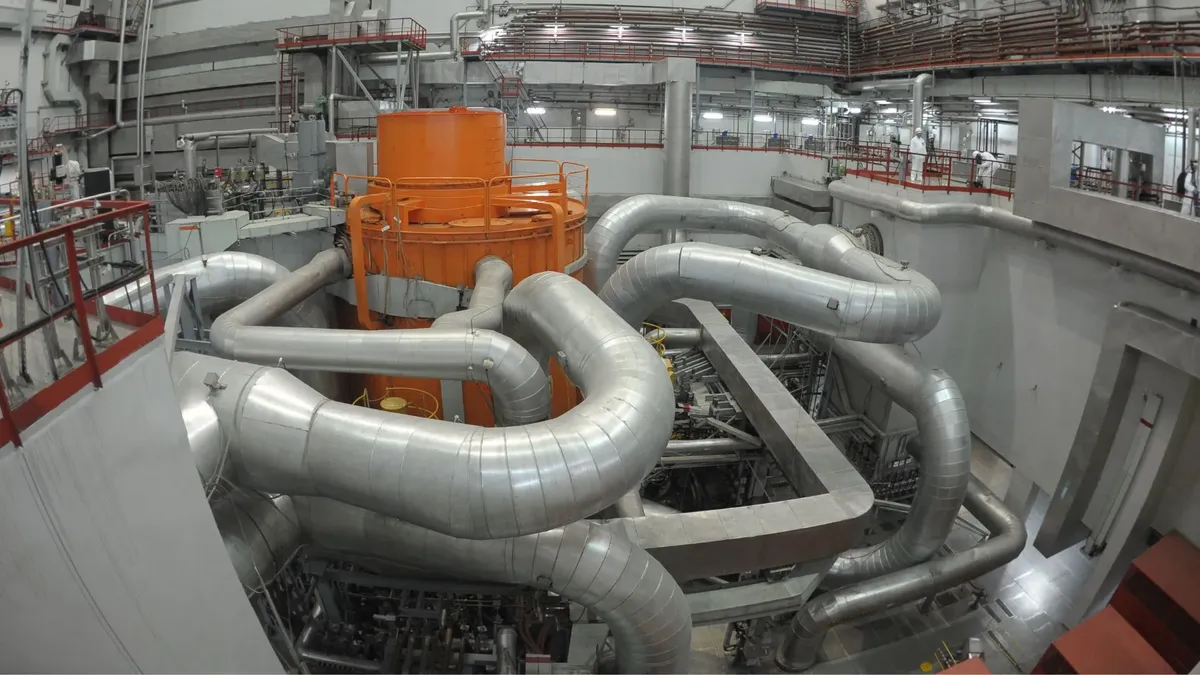
This isn't about predicting an inevitable meltdown. It's about giving engineers a much clearer picture of how different factors influence the chances of a rupture. Because when it comes to nuclear safety, "chance" is one word you want to understand very, very well.