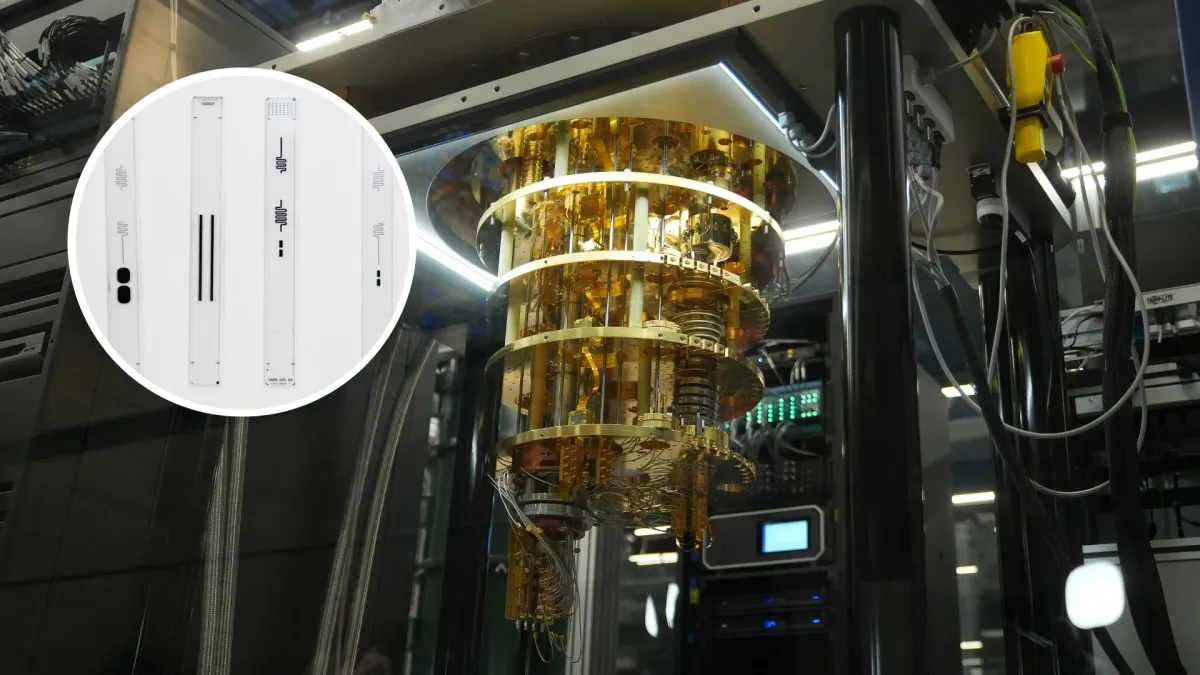
NASA just upped its investment in a quantum gravity sensor for space, pouring another $20 million into Infleqtion's mission. That brings the total to a cool $40 million for the Quantum Gravity Gradiometer Pathfinder. Because apparently, mapping Earth's shifting water and ice with mind-bending precision is worth every penny.
This isn't just about building another satellite. This mission is now in the nitty-gritty phase, where engineers are assembling and testing the core components. The goal? To get this gravity-mapping marvel ready for a test flight into low Earth orbit by 2030.
Earth's Gravity, Quantum Style
So, what's so special about this new gadget? It's going to use super-chilled rubidium atoms to detect minuscule shifts in Earth's gravity. Think of it as a cosmic stethoscope, listening to the subtle movements beneath our planet's surface. These measurements promise to give us an unprecedentedly clear picture of everything from groundwater migration to the relentless march of melting ice.
We're a new kind of news feed.
Regular news is designed to drain you. We're a non-profit built to restore you. Every story we publish is scored for impact, progress, and hope.
Start Your News DetoxWhile current satellites like NASA's GRACE and GRACE-FO already do a decent job of mapping gravity, quantum sensing offers a whole new level of detail. It's like upgrading from a standard def TV to 8K — the clarity is just different.
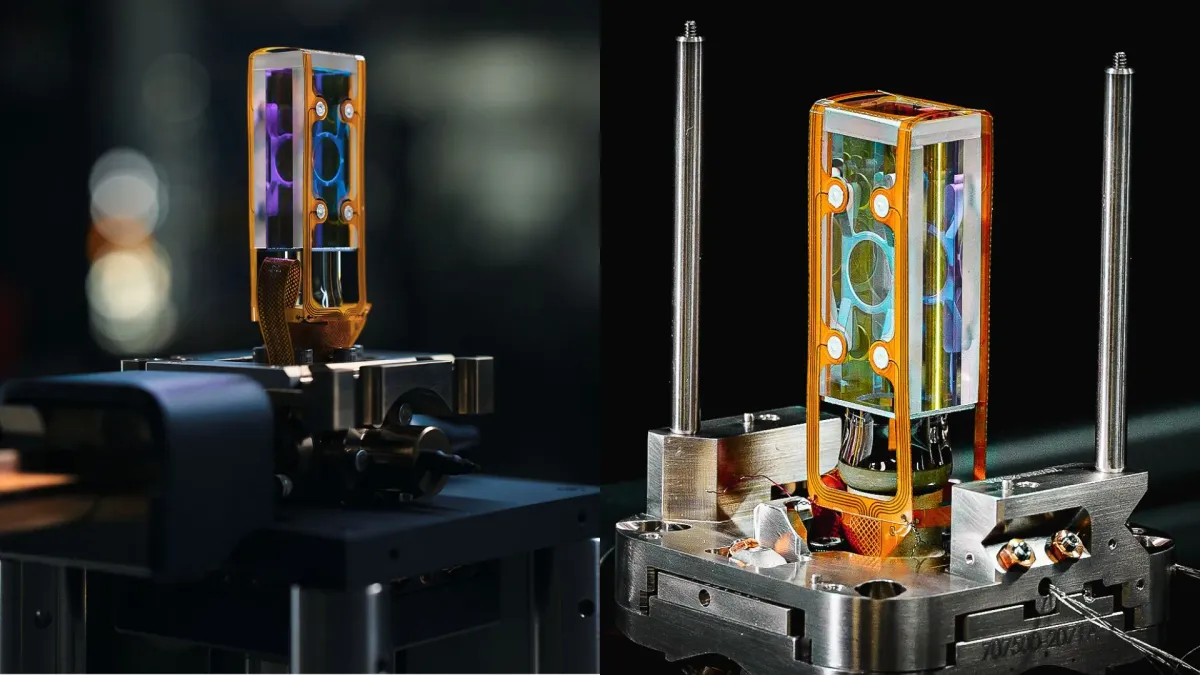
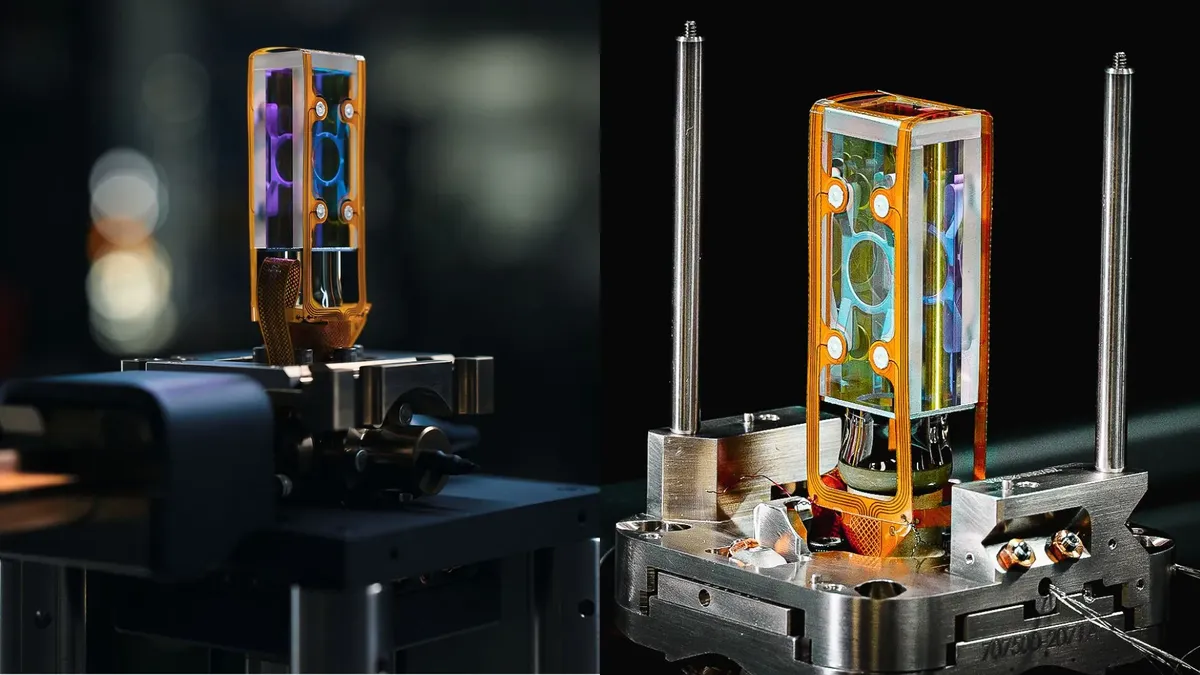
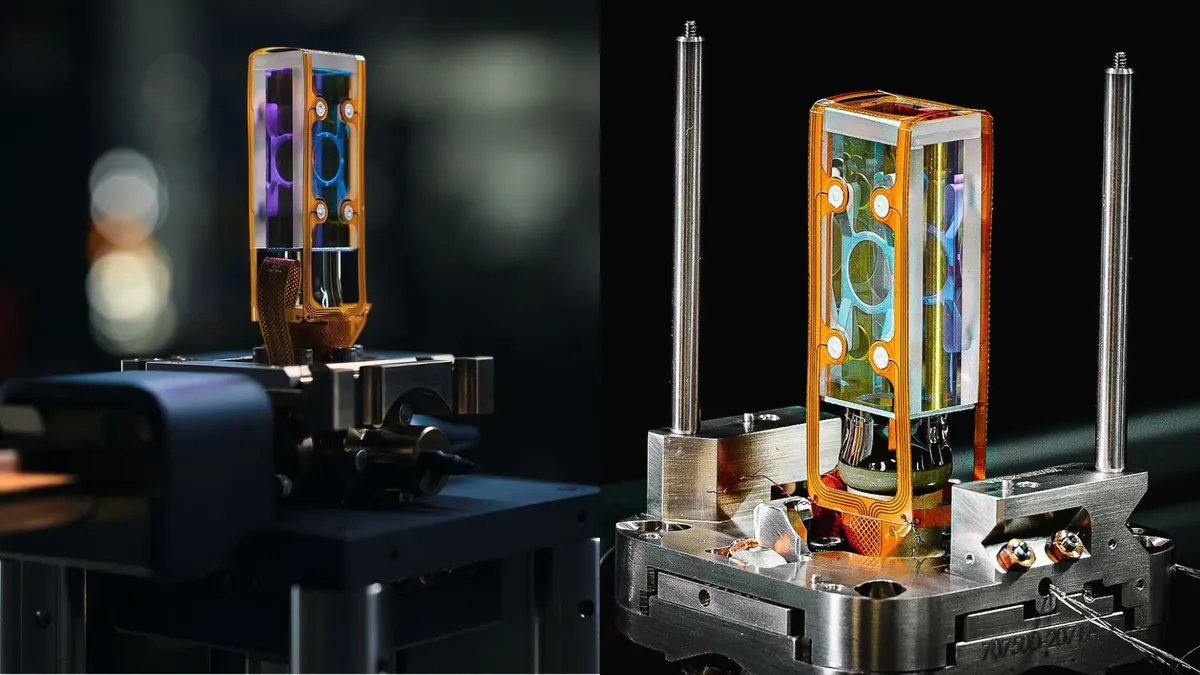
Infleqtion is the brains behind the "atomic physics package," which sounds suitably sci-fi. This package is basically a tiny, highly controlled environment with a vacuum chamber, lasers, and electronics. Its job? To cool rubidium atoms down to temperatures so low they're almost at the pico-Kelvin scale. At these extremes, scientists can manipulate the atoms with incredible precision for gravity measurements. It’s like trying to weigh a feather with a scale that can detect a single atom.
As Dana Anderson, Infleqtion’s chief science officer, puts it, they're past the "will it even work?" stage for the quantum tech itself. Now, it’s all about proving it can survive the brutal journey to space and function flawlessly in orbit. Which, if you think about it, is both impressive and slightly terrifying.
The Einstein Elevator Test Run
Before this quantum contraption goes anywhere near a rocket, Infleqtion will build an initial sensor head and electronics unit. These will face their first big test at the Einstein Elevator in Hannover, Germany. This isn't your average office elevator; it's a specialized drop tower that creates brief periods of microgravity. Perfect for seeing if the sensor can handle the zero-G environment before it's actually in space. It's like sending your car to a virtual test track before hitting the highway.
This isn't NASA's first rodeo with super-cold atoms in space either. JPL and Infleqtion previously collaborated on the International Space Station’s Cold Atom Lab, which was essentially a cosmic freezer for atoms. So, they've got some experience in chilling out in space.
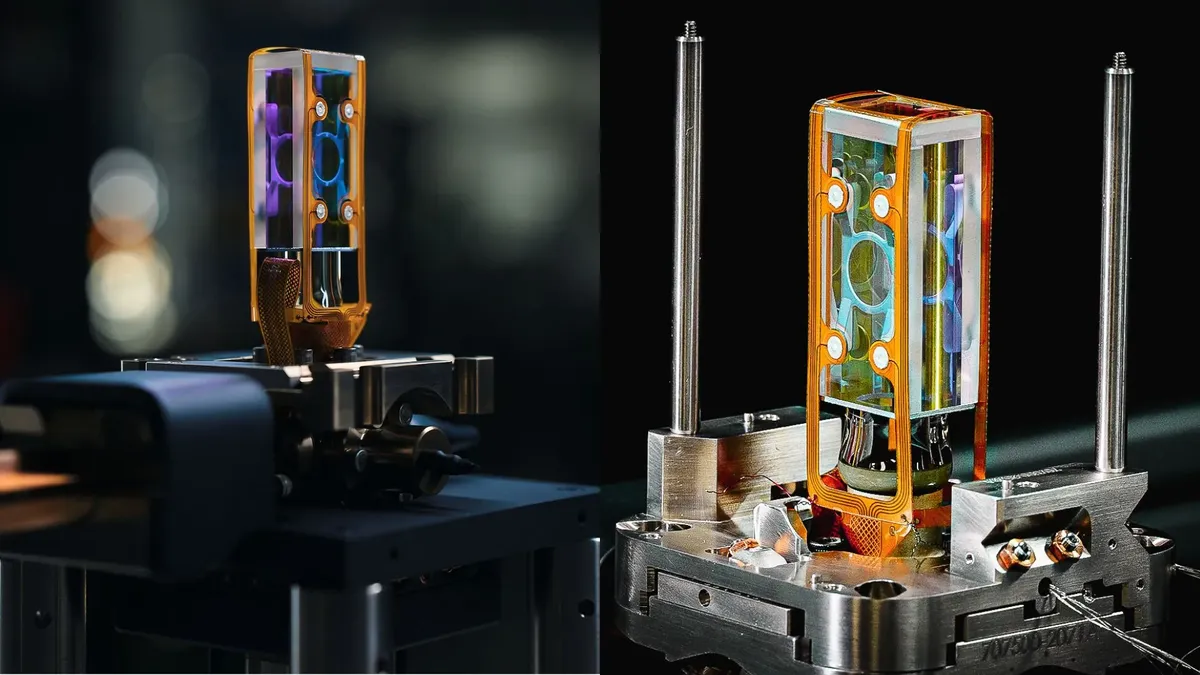
Matt Kinsella, Infleqtion’s CEO, points out that getting quantum hardware space-ready is a multi-year engineering marathon. But every milestone, he notes, brings us closer to entirely new ways of observing our planet from above. NASA expects this development phase to wrap up by 2027, setting the stage for that 2030 test flight.
This Pathfinder mission won't be a full-blown Earth-observing instrument right out of the gate. It's more of a proof-of-concept, laying the groundwork for future high-resolution gravity missions. If it works, it could significantly reduce the technical risks for those advanced instruments, potentially boosting U.S. capabilities in everything from resource monitoring to long-term security planning. Because who wouldn't want a quantum-powered crystal ball for the planet? The real trick, of course, is taking a system sensitive enough for a lab and making it tough enough for a rocket launch. That's where the magic, and the terror, truly happens.