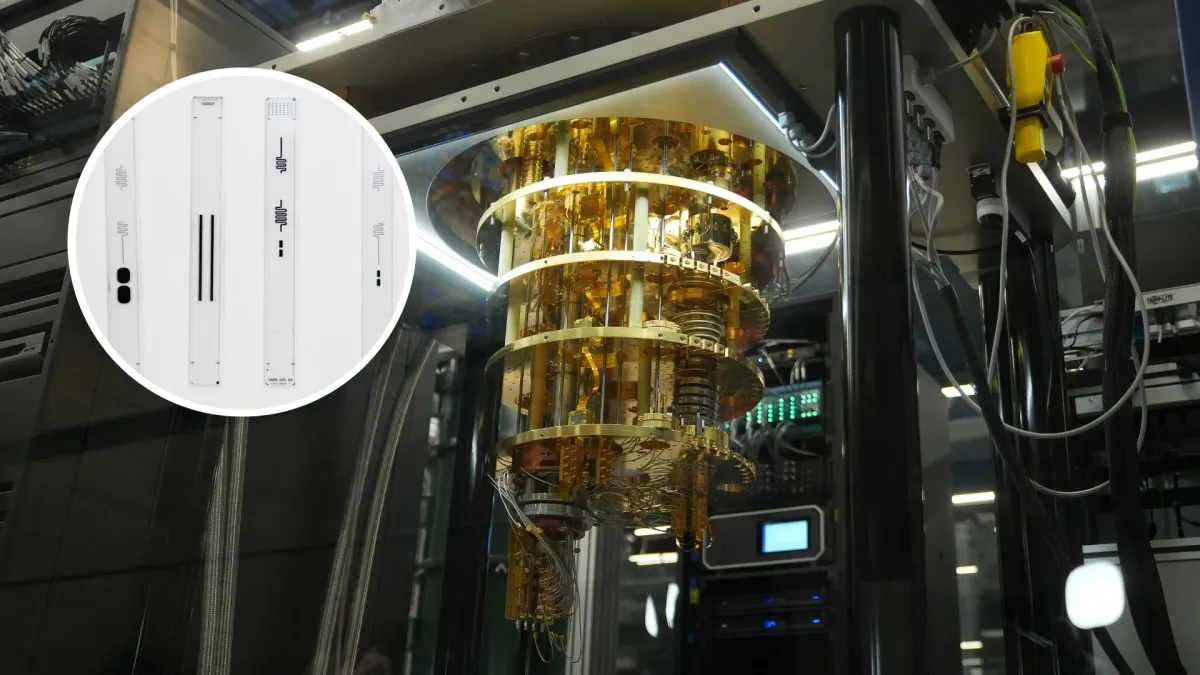
Researchers in the U.S. are starting to design practical, self-correcting quantum computers. A team led by Yale received a $37.5 million grant from the U.S. National Science Foundation (NSF) for this work.
For quantum computers to be useful, they need to fix errors faster than those errors happen. This is a major challenge right now.
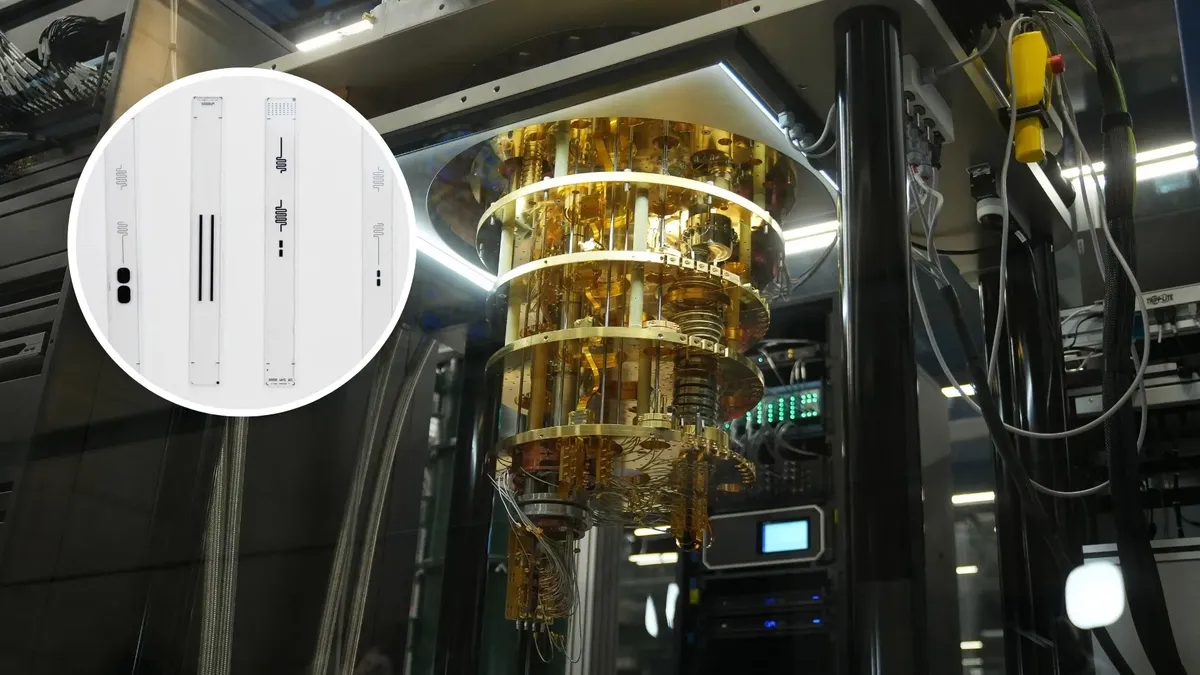
Tackling Quantum Error Correction
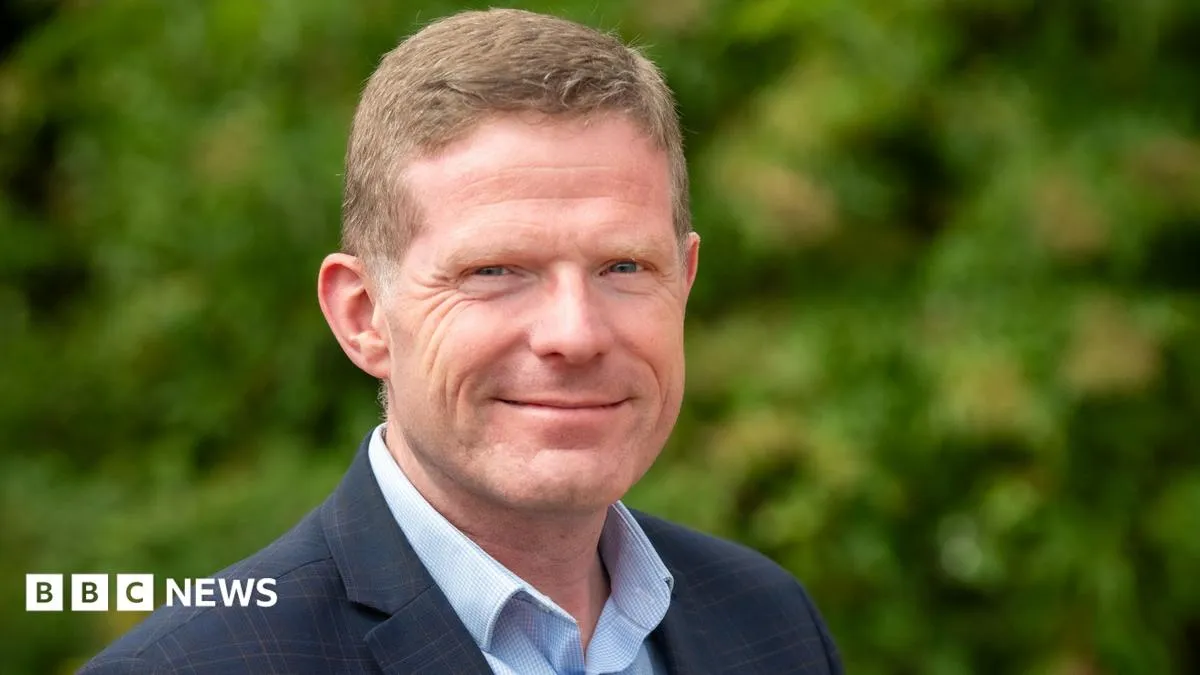
Professor Robert Schoelkopf, the center's director, explained that error correction is the biggest hurdle for making quantum computing useful. The project aims to improve how these computers are built and make error correction more practical.
We're a new kind of news feed.
Regular news is designed to drain you. We're a non-profit built to restore you. Every story we publish is scored for impact, progress, and hope.
Start Your News DetoxThe five-year project brings together experts from different fields. Physicists, engineers, computer scientists, and chemists from Yale and other universities will work together. Their goal is to solve the problem of error correction and create reliable quantum machines for real-world use.
Advancing Quantum Technology
The research team is launching a new effort called the NSF Quantum Leap Challenge Institute for Physics and Engineering of Practical Quantum Error Correction (NSF PRACTIQAL). This center will bring together various experts to make progress at every level of quantum computing. This includes everything from the physical qubits and control electronics to how algorithms run.
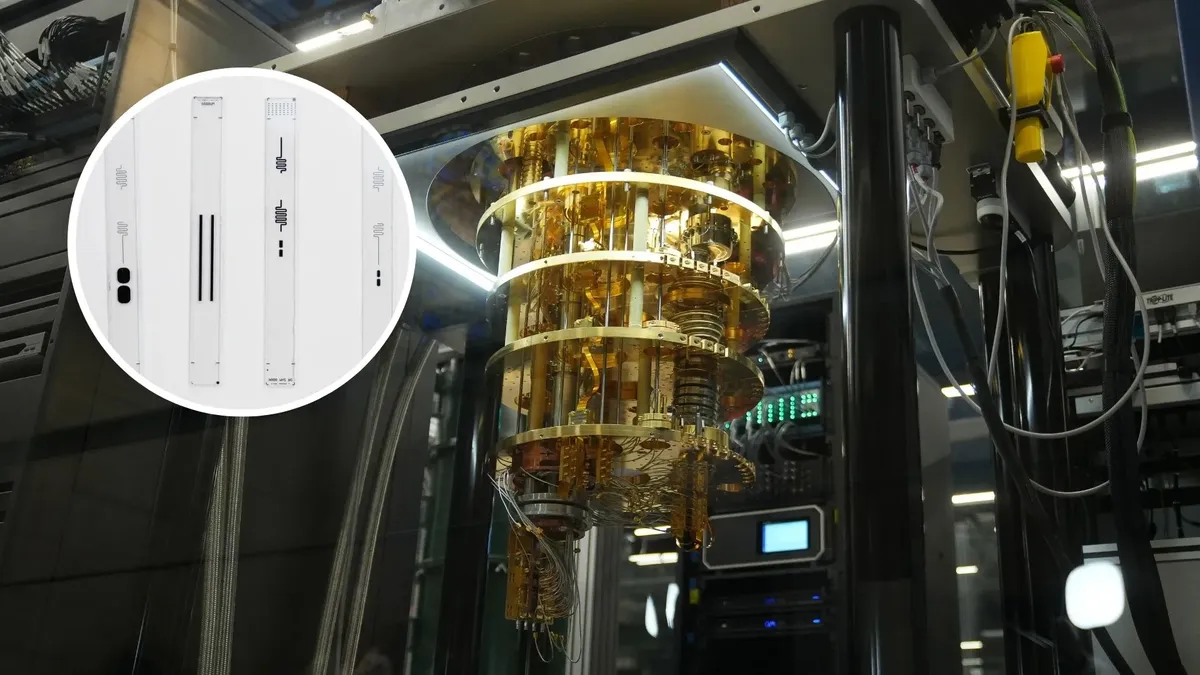
Schoelkopf noted that having a diverse team helps them understand the physics of the devices and the types of errors that occur. This allows them to optimize the codes and algorithms to work better.
NSF PRACTIQAL will focus on two main challenges:
- Identifying issues that stop error-corrected machines from scaling up. They want to make quantum error correction more practical and efficient.
- Exploring "erasure qubits." These special qubits act like flags, showing exactly when and where an error happened. Members of the PRACTIQAL team developed these qubits.
Much of the current work in this area uses small machines designed for error correction. The PRACTIQAL group wants to speed up the development of large-scale, error-corrected quantum computers.
Michael Hatridge, co-director of PRACTIQAL, said that while academics won't build a giant system, they will prove their ideas. They will create a path for building much bigger systems. Industrial partners and an advisory board will help keep their work relevant to the wider community.
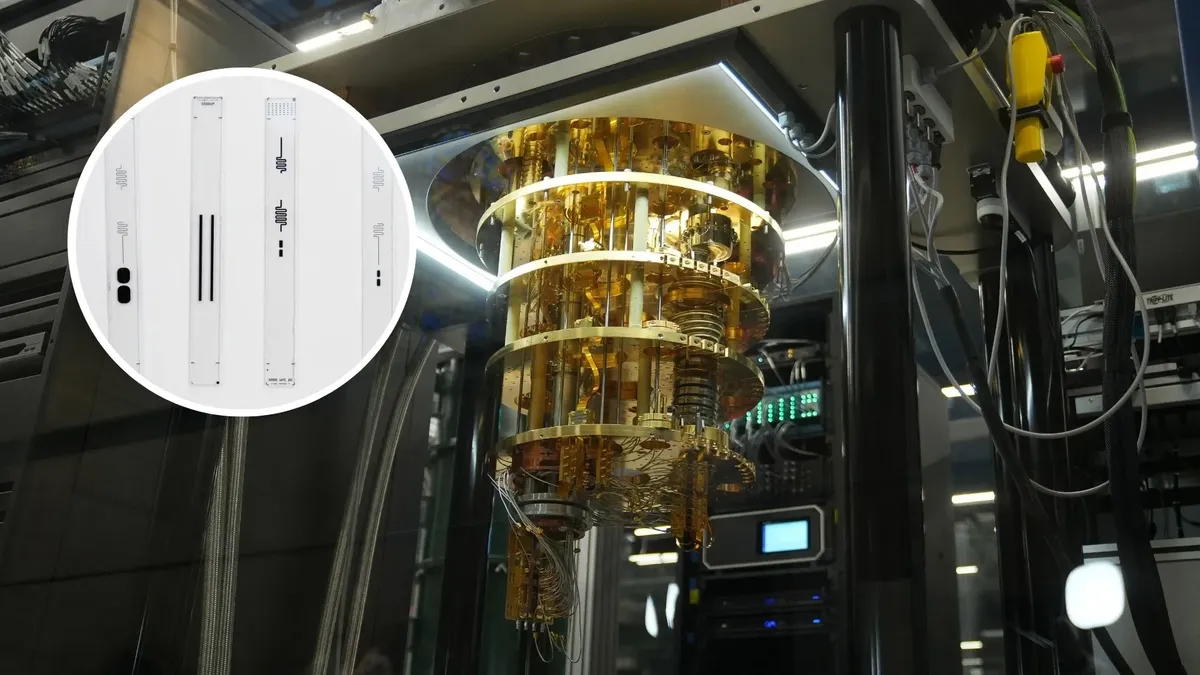
By the end of the five-year project, researchers hope to have a clear path for building practical, error-correcting computers on an industrial scale. Hatridge expressed excitement for the complex and ambitious project.