
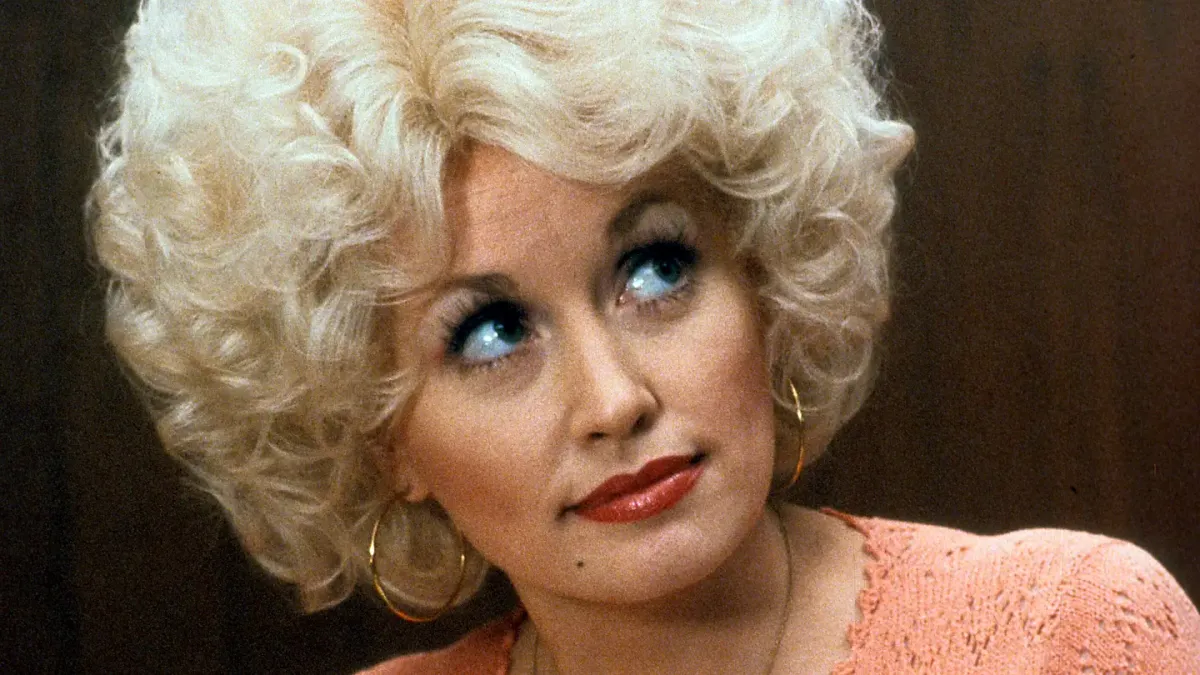
Dolly Parton, bless her heart, is a national treasure. Three thousand songs, 25 number-one hits, and enough charity work to make a saint blush. But among her many gifts to humanity, “9 to 5” stands out as an anthem for anyone who’s ever felt like the economic system was, shall we say, rigged.
“It’s a rich man’s game no matter what they call it / And you spend your life puttin’ money in his wallet,” she sang, tapping her famously long nails to the rhythm on set. What many don’t realize is that the iconic song, and the 1980 film it soundtracked, wasn’t just a clever idea. It was inspired by a very real, very feisty women's labor movement that's still fighting the good fight today.
When “Pink-Collar” Meant Low Pay and Less Respect
By the mid-20th century, women were flooding into office jobs. In 1950, one in three women worked. By 1998, that number jumped to three in five. They were the engine of the economy, keeping Boston’s businesses humming. Yet, they were stuck in what was grimly called the “pink-collar ghetto”—low pay, zero mobility, and often treated less like professionals and more like “office wives.” Sexual harassment? Par for the course. Power to fight back? Practically nonexistent.
We're a new kind of news feed.
Regular news is designed to drain you. We're a non-profit built to restore you. Every story we publish is scored for impact, progress, and hope.
Start Your News DetoxEnter Karen Nussbaum and Ellen Cassedy, two Harvard University office workers who, in 1972, decided they’d had enough. They started a newsletter, “9to5: Newsletter for Boston Area Office Workers,” because apparently, the best way to start a revolution is with a good mailing list. The message was clear: “Without us, they would grind to a halt. Yet we are underpaid and undervalued.” The movement officially kicked off the next year.
Cassedy later recalled to Teen Vogue that as more women entered the workforce, the collective sense of injustice just grew. Training your male replacement, only for him to become your boss, tends to have that effect.
Raises, Not Roses
9to5 wasn't just about talk. Cassedy got some organizer training, which helped them focus on tangible wins. One of their early triumphs? Uncovering a secret pact among major Boston employers to keep women's wages artificially low. Through protests and an antitrust complaint, 9to5 scored a 10% wage hike for these women. Let that satisfying number sink in.
Their tactics were as creative as they were effective. Think skits, fake contests, and slogans that stuck. On National Secretaries Day, they weren't asking for flowers. They campaigned for “Raises Not Roses.” They even drafted a Bill of Rights for Women Office Workers, demanding everything from clear job descriptions and overtime pay to maternity benefits and equal hiring opportunities. Because apparently that’s where we were now.
The movement eventually spread to other cities, even forming a union within the Service Employees International Union. Of course, the 1980s brought a strong anti-union push, which, depressingly, is still going strong today. A 2026 report (yes, 2026, because the future is already here) found that U.S. companies spend about $1.7 billion annually on advisors whose sole job is to prevent unions. Which, if you think about it, is both impressive and slightly terrifying.
Despite the uphill battle, 9to5 still operates in several states, its influence rippling through modern labor movements. Jane Fonda, who met Karen Nussbaum during anti-Vietnam War protests, was so inspired by these stories that she brought them to the big screen. Dolly Parton, with her rhythmic fingernail tapping, did the rest. And that, friends, is how a movement became a movie, and a movie became a legend.