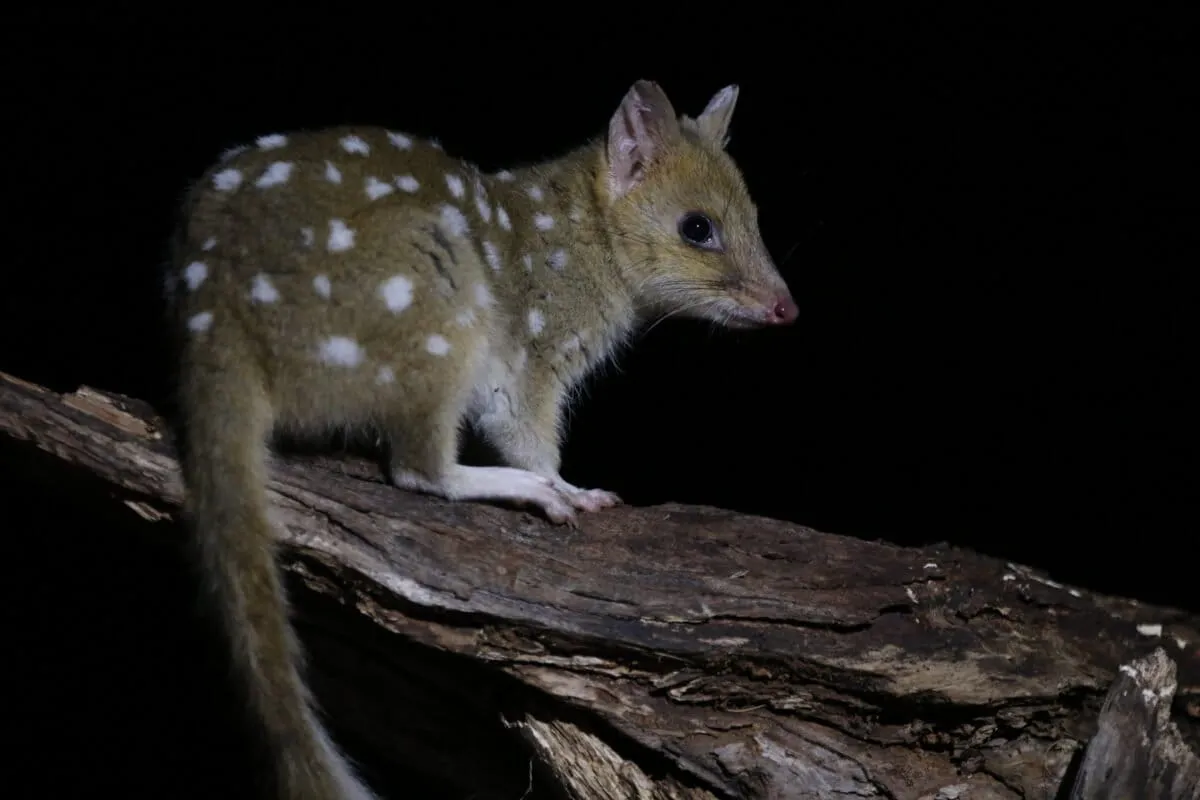
Once upon a time, Australia's eastern coast was absolutely littered with eastern quolls. These pint-sized, spotted marsupials — basically a cross between a weasel and a particularly enthusiastic house cat — were so common in the 1800s that folks just called them "native cats." They'd hunt rodents, apparently made decent pets, and were generally just part of the furniture.
Then, poof. By the 1960s, the mainland population had vanished. Blame a cocktail of habitat loss, car accidents, disease, and the usual suspects: foxes, cats, and dogs. Suddenly, the only place to find these charming little predators was on the fox-free island of Tasmania, living their best lives, blissfully unaware of their mainland brethren's demise.

For a while, the mainland quoll was just a memory, perhaps a taxidermied specimen found as roadkill in '89 (which, let's be honest, is a very Australian way to find out a species might have hung on a bit longer). But now? They're back, baby. And they're bringing new generations with them.
We're a new kind of news feed.
Regular news is designed to drain you. We're a non-profit built to restore you. Every story we publish is scored for impact, progress, and hope.
Start Your News DetoxConservationists are meticulously reintroducing eastern quolls to their ancestral homes, giving these spotted dynamos a fighting chance to reclaim their former glory. Because if there's one thing we can all agree on, it's that the world needs more tiny, carnivorous marsupials with excellent spots.