A new trial using proton beams to treat mesothelioma, a cancer mainly caused by asbestos exposure, is offering "realistic hope" to patients. There is currently no cure for mesothelioma.
Dr. Crispin Hiley from University College London Hospitals (UCLH) is leading the trial. He explained that the goal is to help patients live longer and have a better quality of life.
A New Approach to Treatment
Mesothelioma is a very difficult cancer to treat. About 2,700 people in the UK are diagnosed with this aggressive cancer each year. It is mainly caused by breathing in asbestos fibers.
We're a new kind of news feed.
Regular news is designed to drain you. We're a non-profit built to restore you. Every story we publish is scored for impact, progress, and hope.
Start Your News DetoxStandard radiation therapy is often too risky. It can harm important organs like the heart. However, proton beam therapy delivers high-dose radiation very precisely to the affected area. This avoids damaging surrounding healthy tissue.
Dr. Hiley hopes this new treatment could increase the two-year survival rate for mesothelioma patients from about 30% to 50%. If successful, it could change how the cancer is treated in the UK.
The Human Cost of Asbestos
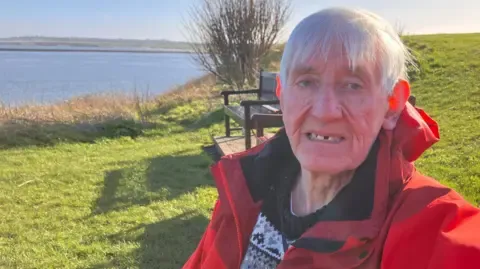
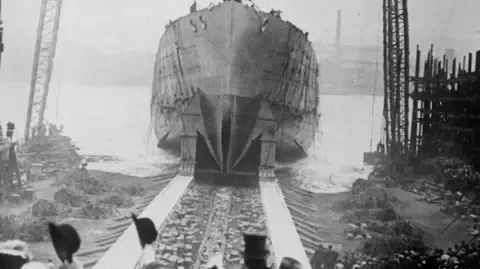
The North East of England has some of the highest rates of mesothelioma. This is due to its industrial past, especially shipbuilding. Ray Turnbull from Washington has lost four family members to the disease, including his wife Jean. She was exposed to asbestos as a child.
Ray's wife, Jean, died in 2009 at age 62. She was exposed to asbestos when she walked past large piles of the material. His mother, brother, and uncle also died from the disease. They all worked at the Turner & Newall factory in Washington, which made asbestos products.
Asbestos was once seen as a "wonder product" for fireproofing and insulation. However, its microscopic fibers are deadly when inhaled. Cancer can take many years to develop after exposure. The use of asbestos in building was completely banned in 1999.
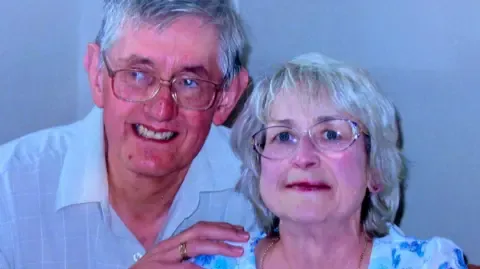
More than 70,000 people in Britain have died from mesothelioma since the 1980s. Over 5,000 of these deaths were in the North East.
The Proton Beam Trial
Dr. Helen Turnbull, a consultant clinical oncologist, called the trial "really exciting." About 50 patients from England and Wales have joined so far. The trial aims to recruit up to 148 people from 23 NHS centers.
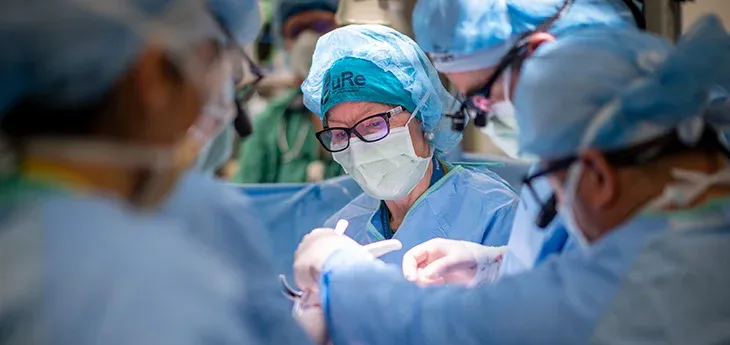
Participants receive proton beam therapy daily, Monday to Friday, for five weeks. This happens at either UCLH in London or The Christie NHS Foundation Trust in Manchester. These two centers were built in 2015 as part of a national NHS program.
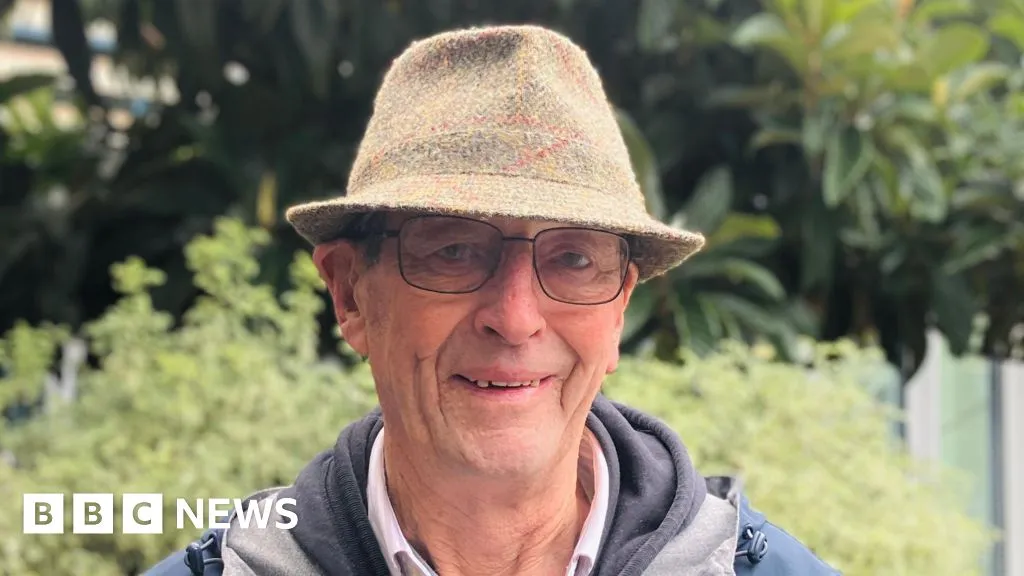
Peter Littlefield, 83, from Portsmouth, is one of the first patients. He was diagnosed after becoming breathless and developing a cough. Doctors told him that chemotherapy and standard radiotherapy were not suitable because the cancer was too close to his heart.
Peter said getting on the trial was "really unbelievable." The chance to live longer and spend more time with his family means "everything" to him.
The London center is massive, with a cyclotron buried five stories underground. This powers the proton beam 24 hours a day. Dr. Hiley called it a "phenomenal piece of infrastructure."
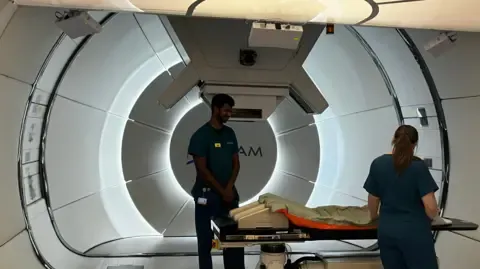
Proton beam therapy is mainly used for cancers near vital organs, especially brain tumors and in younger patients. The NHS program has treated over 5,000 patients so far.
Dr. Samantha Walker from Asthma + Lung UK said this research is "vital" for the "devastating condition." Liz Darlison, chief executive at Mesothelioma UK, noted that the UK has the highest rate of mesothelioma in the world, making this research urgently needed.
Ray Turnbull, who has seen his family suffer, believes the trial offers "realistic hope."