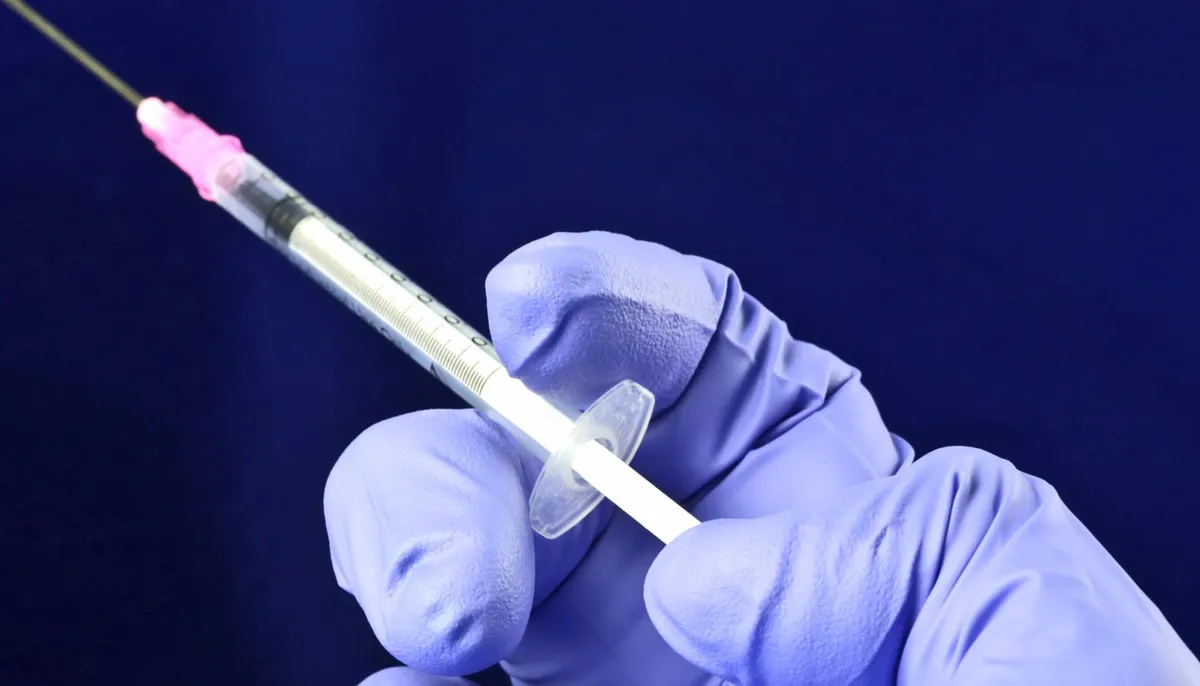
A new medication called sulthiame might help people with obstructive sleep apnea. It could make breathing easier at night and improve sleep. This discovery comes from a European clinical trial. The University of Gothenburg played a key role in the research.
The findings suggest a new drug treatment for patients who struggle with breathing masks.
How Sulthiame Helps
The study was published in The Lancet. It involved 298 people with moderate to severe sleep apnea. Some participants received a placebo, while others took different doses of sulthiame.
We're a new kind of news feed.
Regular news is designed to drain you. We're a non-profit built to restore you. Every story we publish is scored for impact, progress, and hope.
Start Your News DetoxPatients who took higher doses of sulthiame had up to 47% fewer breathing pauses during sleep. Their oxygen levels also improved overnight.
Sulthiame works by making the body's breathing control more stable. It boosts the drive to breathe. This helps prevent the upper airway from collapsing during sleep. This collapse is the main cause of obstructive sleep apnea. Most side effects were mild and temporary.
Jan Hedner, a professor at the University of Gothenburg, led the study. He said this is a breakthrough, showing that drugs can treat sleep apnea. He looks forward to larger studies to confirm the long-term effects and safety.
A New Option for Sleep Apnea
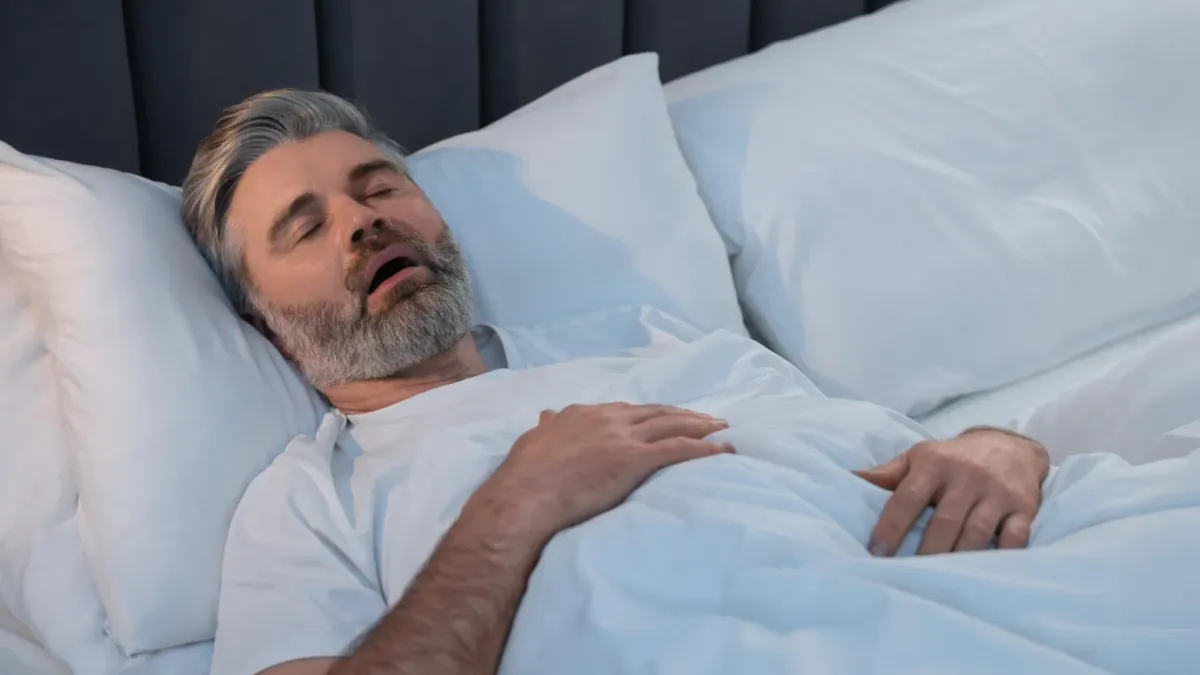
Obstructive sleep apnea occurs when the upper airway repeatedly closes during sleep. This stops breathing, lowers oxygen, and interrupts sleep. Over time, it can lead to high blood pressure, heart disease, stroke, and type 2 diabetes.
Currently, there is no specific drug to treat the cause of sleep apnea. The most common treatment is continuous positive airway pressure (CPAP). This machine uses a mask to keep the airway open. CPAP works well, but many patients find it hard to use. About half stop using it within a year because the mask can be uncomfortable.
Sulthiame is already approved to treat a type of childhood epilepsy. Researchers are now exploring its potential as a sleep apnea treatment.