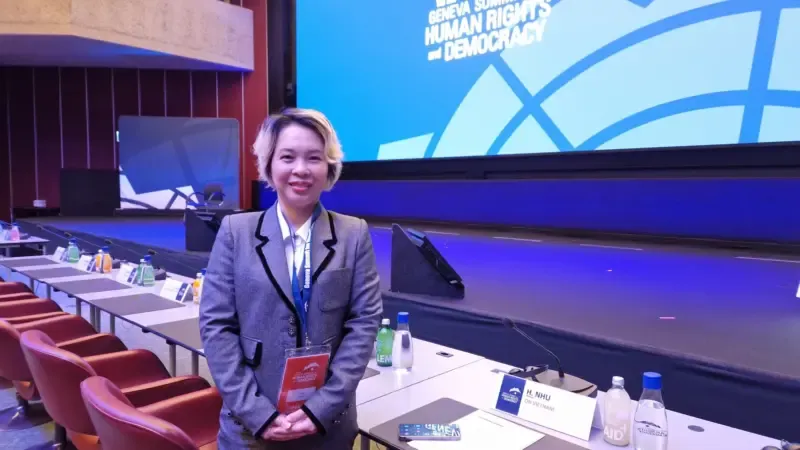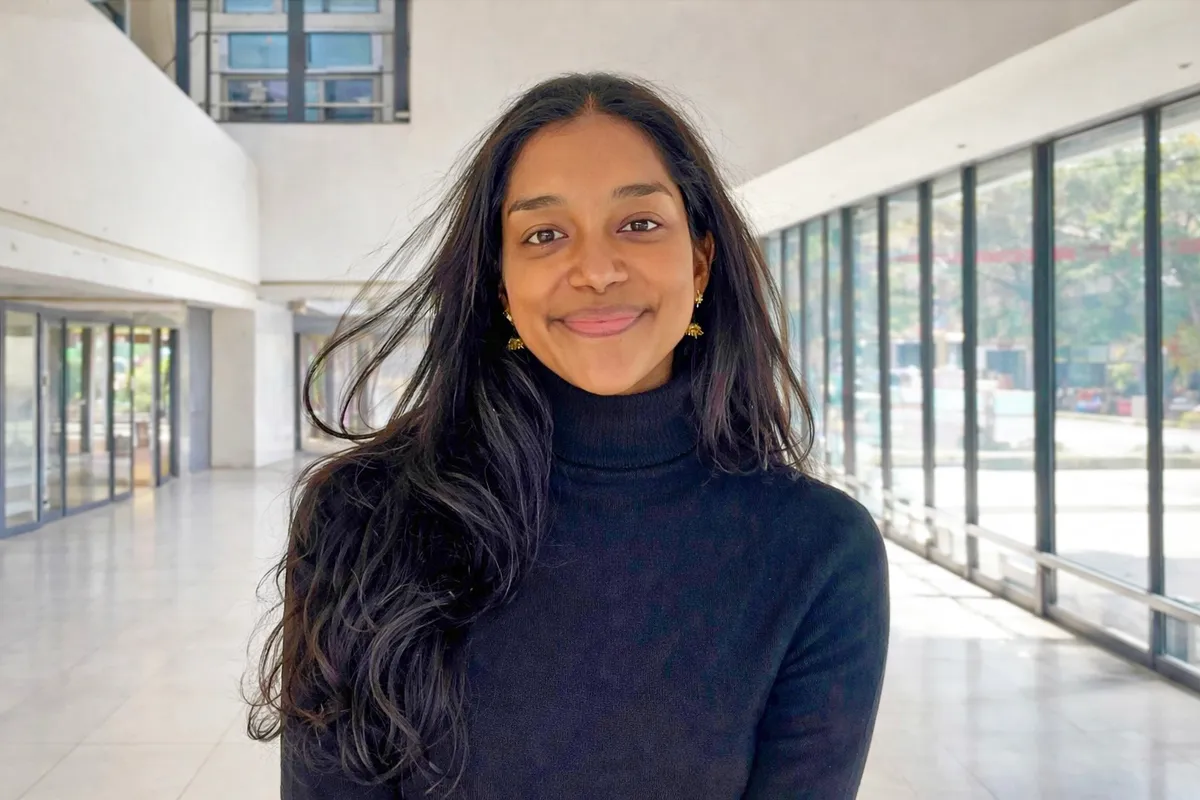
Imagine going from shadowing doctors to speaking at the United Nations about global health. That's exactly what MIT senior Srihitha Dasari did. She shared her insights on how tech can make health care better for everyone.
Dasari didn't just study health care; she lived it. She spent time in exam rooms at a big hospital in New England. Then she worked with nurses in rural Argentina and focused on helping moms and babies in India and Nepal. Seriously cool.
The Unexpected Path to Public Health
When Dasari started at MIT, her plan was to become a doctor, spending her days in labs. But then she joined the IAP Health Program through the PKG Center for Social Impact. It flipped her whole view of medicine.
We're a new kind of news feed.
Regular news is designed to drain you. We're a non-profit built to restore you. Every story we publish is scored for impact, progress, and hope.
Start Your News Detox"It immersed me into what public health looks like," Dasari said. This happened early, setting her on a new course.
Through that program, she interned at the Boston Medical Center Autism Program. She helped kids with autism and their families during appointments. She even helped doctors change how they did exams to better suit the patients.
"Medicine can feel very systematic," she noted. "But working in that clinic showed me you can modify the experience to truly care for the whole person." It was a lightbulb moment, showing her how big-picture issues affect individual health.
She stuck with that internship for over a year, supported by the PKG Center. This long-term work helped her see how health systems can either make health differences worse or actually fix them. This systems-level thinking shaped all her global work.
Big Ideas, Real-World Impact
During her second year, Dasari got a PKG Fellowship. She used it to build an electronic health record system for a maternity ward in a rural Argentine hospital. This project came out of her work with the MIT Global Health Alliance, a student group that designs health solutions with the communities that need them.
Her work there even led her to co-found PuntoSalud. It's a social enterprise that uses an AI chatbot to give health info to people in rural Argentina. Dasari and her team got $5,000 and seed funding from the PKG IDEAS Social Innovation Incubator — MIT's only entrepreneurship program focused solely on social good.
Speaking at the UN really brought home a key lesson for her: good health innovation starts with strong relationships. "I’ve been able to meet people from so many different parts of the health-care pipeline," Dasari shared.
Her experiences also took her to rural Nepal with MIT D-Lab. She talked to people in communities to figure out what they needed for maternal and newborn health. These insights helped improve heating systems in birthing centers in really cold areas. That's a direct, tangible change.
Later, she went to India. She interviewed health care providers about how to lower the number of non-medical C-sections. Her goal was to create policy ideas that other health systems could use. Talk about thinking big.
"I came in thinking I would practice medicine one-on-one," Dasari explained. "Now I want to increase my impact in the health care field. I see that as clinical medicine combined with public health, easing health differences for more people." She’s looking at the whole picture.
As she wraps up at MIT, Dasari is heading into a year of clinical research, bringing her system-wide view to science and health care. "The path I’ve taken in health care as an undergrad student has given me both a sense of purpose and fulfillment," she said. "It’s shown me that meaningful impact can begin long before medical school." That's a pretty powerful takeaway for anyone wondering how to make a difference.