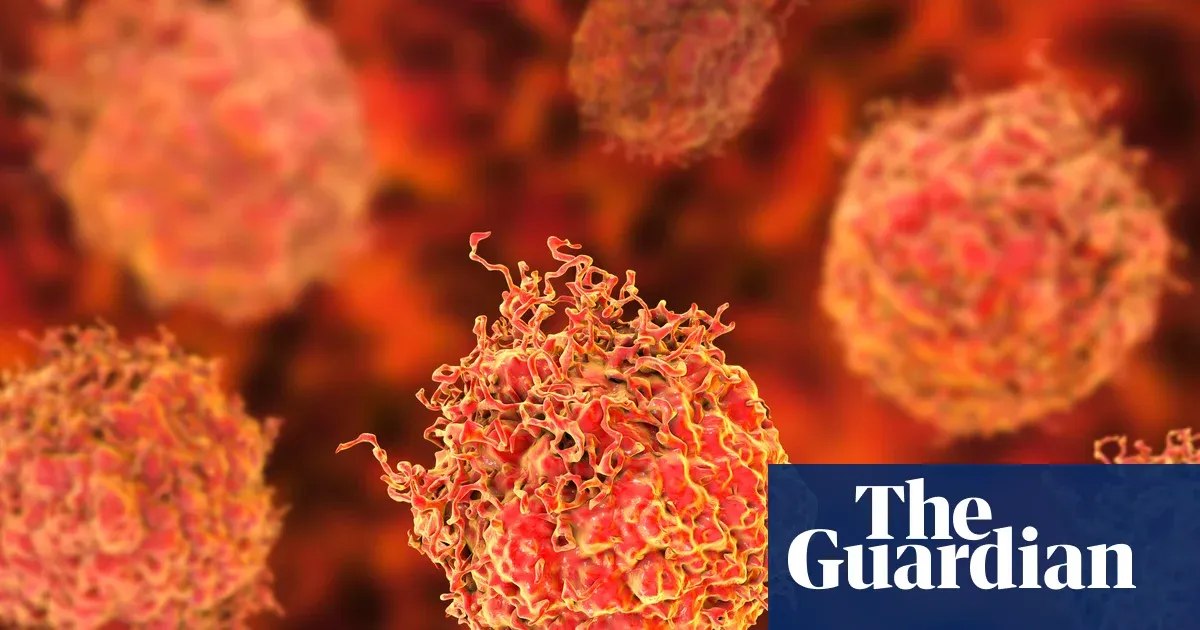
A new immunotherapy drug has done something researchers didn't think possible: it's made advanced prostate cancer respond to treatment. In an early trial, 82% of men given the highest dose experienced significant drops in cancer markers, and in at least one case, liver tumours disappeared entirely.
Prostate cancer kills over 12,000 men annually in the UK alone, and roughly 1.5 million men worldwide are diagnosed each year. Yet it's long resisted the immunotherapy approaches that have transformed treatment for other cancers. The disease was considered "immune-cold"—essentially invisible to the body's own defences. VIR-5500, the drug tested here, appears to have cracked that problem.
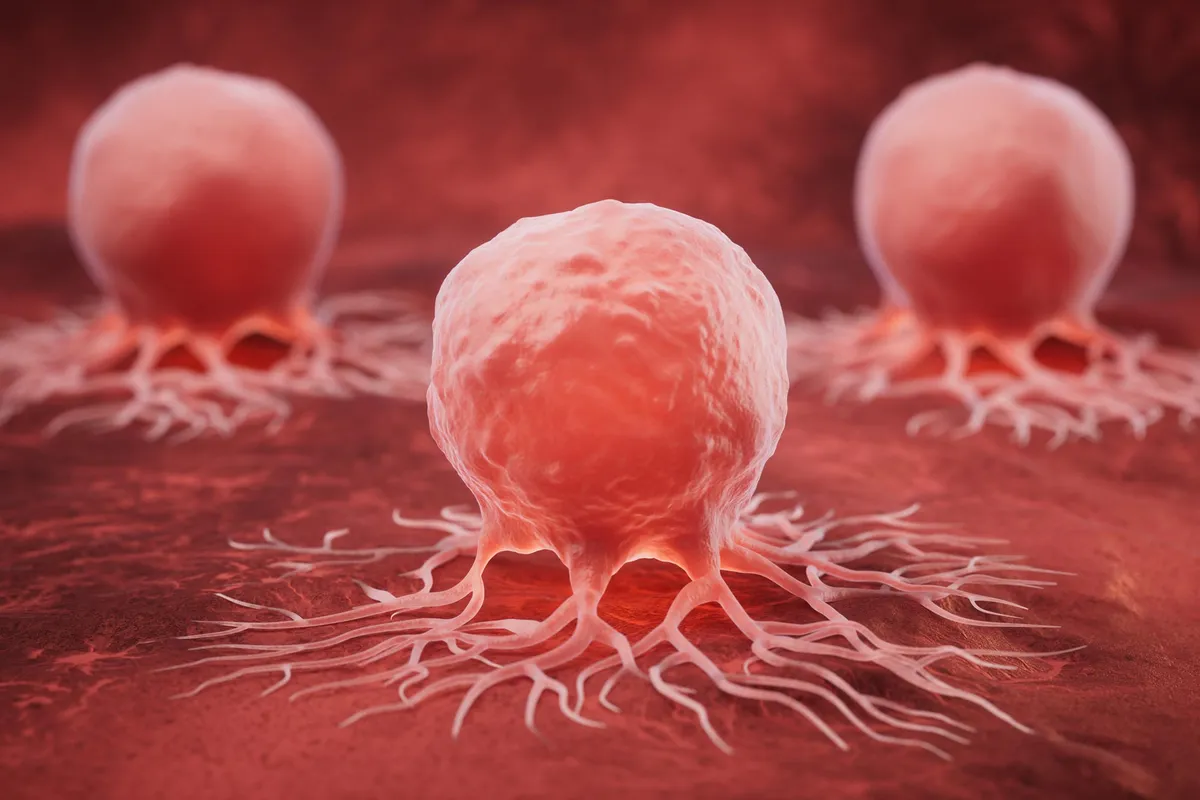
The mechanism is elegant. The drug is an engineered antibody that acts as a bridge, bringing the body's killer T-cells into contact with cancer cells that would normally slip past them. What makes VIR-5500 different from other similar drugs is that it only activates inside the tumour itself. This precision matters: earlier T-cell engagers triggered severe inflammatory reactions in prostate cancer patients, but in this trial, 88% of the 58 men experienced only mild side-effects. The drug also lingers in the bloodstream longer, potentially meaning fewer injections over time.
We're a new kind of news feed.
Regular news is designed to drain you. We're a non-profit built to restore you. Every story we publish is scored for impact, progress, and hope.
Start Your News DetoxThe Numbers That Matter
In the 17 men who received the highest dose, the results were striking. Fourteen (82%) saw their prostate-specific antigen levels—a key cancer marker—drop by at least half. Nine experienced drops of 90% or more. Most remarkably, five men's PSA levels fell by 99%. Of the 11 patients with measurable tumours, five showed actual shrinkage. One 63-year-old man with cancer spread to his liver saw 14 cancerous lesions completely resolve after six treatment cycles.
These are phase-one trial results, which means they're preliminary. The study wasn't peer-reviewed when presented at the American Society of Clinical Oncology symposium in San Francisco. Larger trials are being planned. But the gap between "this might work" and "this actually works in most patients we tried" is significant enough that cancer researchers are describing it as unprecedented.
Professor Johann de Bono of the Institute of Cancer Research, who led the work, said the results suggest such treatments "may in the long term lead to cures." That's careful language from a scientist, which makes it more credible than hype.
One important caveat: experts emphasise that future trials must include men of different ethnicities. Prostate cancer outcomes vary significantly by race, and any new treatment needs to prove it works across different populations, not just in the initial cohort tested.
What's genuinely new here isn't just that the drug works—it's that it works on a cancer type that was thought to be fundamentally resistant to this class of treatment. That opens a door. If immunotherapy can be engineered to work on prostate cancer, the question becomes: what other "immune-cold" cancers might respond to similar approaches.
Larger trials will begin soon. If they confirm these early results, men with advanced prostate cancer could have a meaningful new option within a few years.