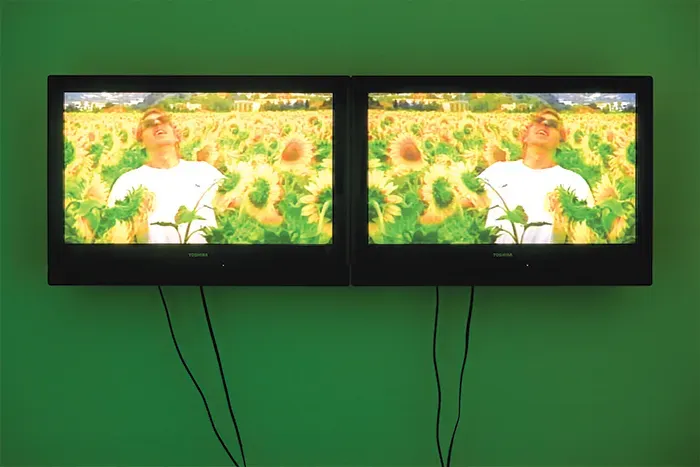
When fire swept through Altadena last January, Diana Thater had seconds to choose what mattered most. She grabbed her cats. Her husband T. Kelly Mason grabbed a server and hard drives. Everything else—raw footage, master tapes, paintings, the physical record of her life's work since the early 1990s—burned in their temperature-controlled garage.
"It's hard to live to be 62 years old and lose your entire life in one night," Thater told the New York Times at the time. For an artist working in video, sound, and installation, the loss was catastrophic in ways that went beyond the personal. Much of her archive had never been digitized. Those materials are gone.
But a year later, something unexpected is happening. Thater is rebuilding.
Tracking down what survives
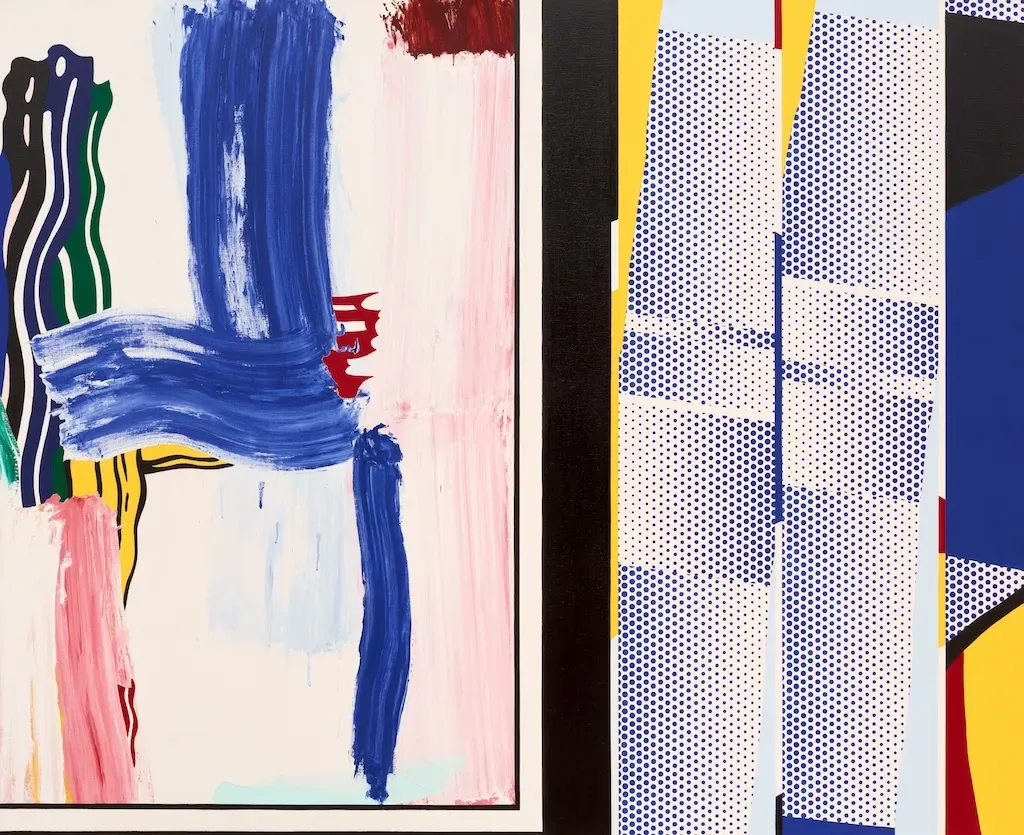
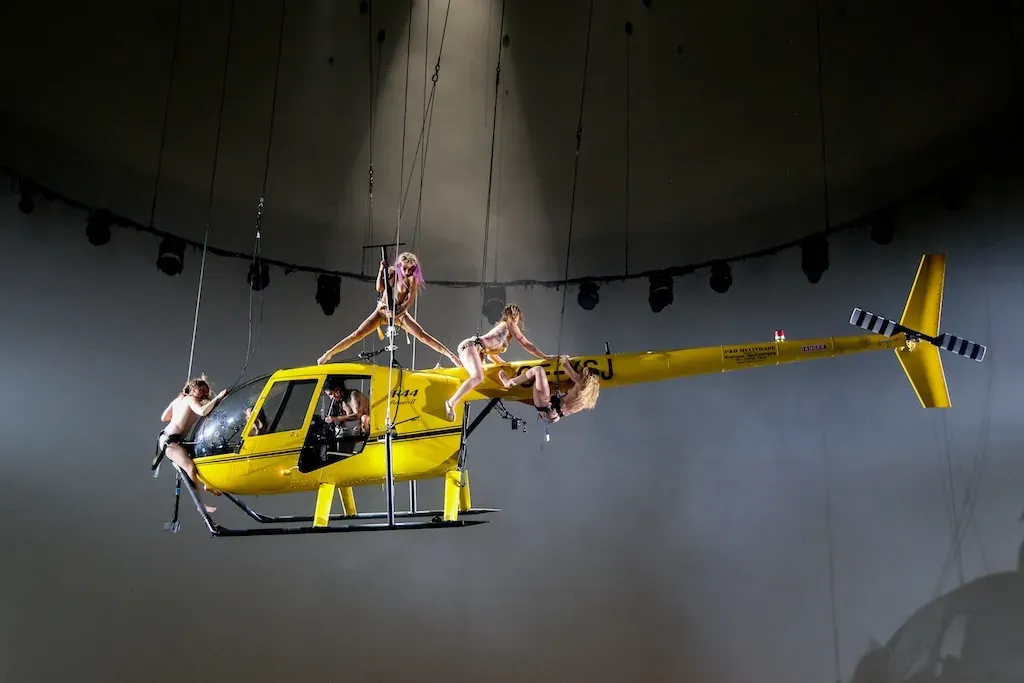
In the months after the fire, Thater began working with the Canyon Media Art Conservation Center (CMACC), a new nonprofit laboratory opening in 2026 that specializes exclusively in preserving time-based media art. The work is part detective work, part archaeology. CMACC is now contacting museums and collectors worldwide to locate surviving versions of Thater's pieces—master tapes, artist proofs, institutional copies—and assessing which ones can be digitized and preserved.
We're a new kind of news feed.
Regular news is designed to drain you. We're a non-profit built to restore you. Every story we publish is scored for impact, progress, and hope.
Start Your News Detox"Who has which version? What condition is it in? Is it the one that should be saved?" Thater said. The process involves evaluating aging tape formats and, in some cases, attempting last-chance recoveries from fragile analog media. The goal isn't to recreate what was lost, but to reconstitute her archive in a form that can endure.
Thater's experience points to a broader crisis that few people outside the art world recognize. Artists working in film and video have traditionally managed preservation themselves—often because museums and collectors lacked the specialized staff to do it. Hard drives fail. Formats become unreadable. Digital storage is fragile. And when disaster strikes, there's often no safety net.
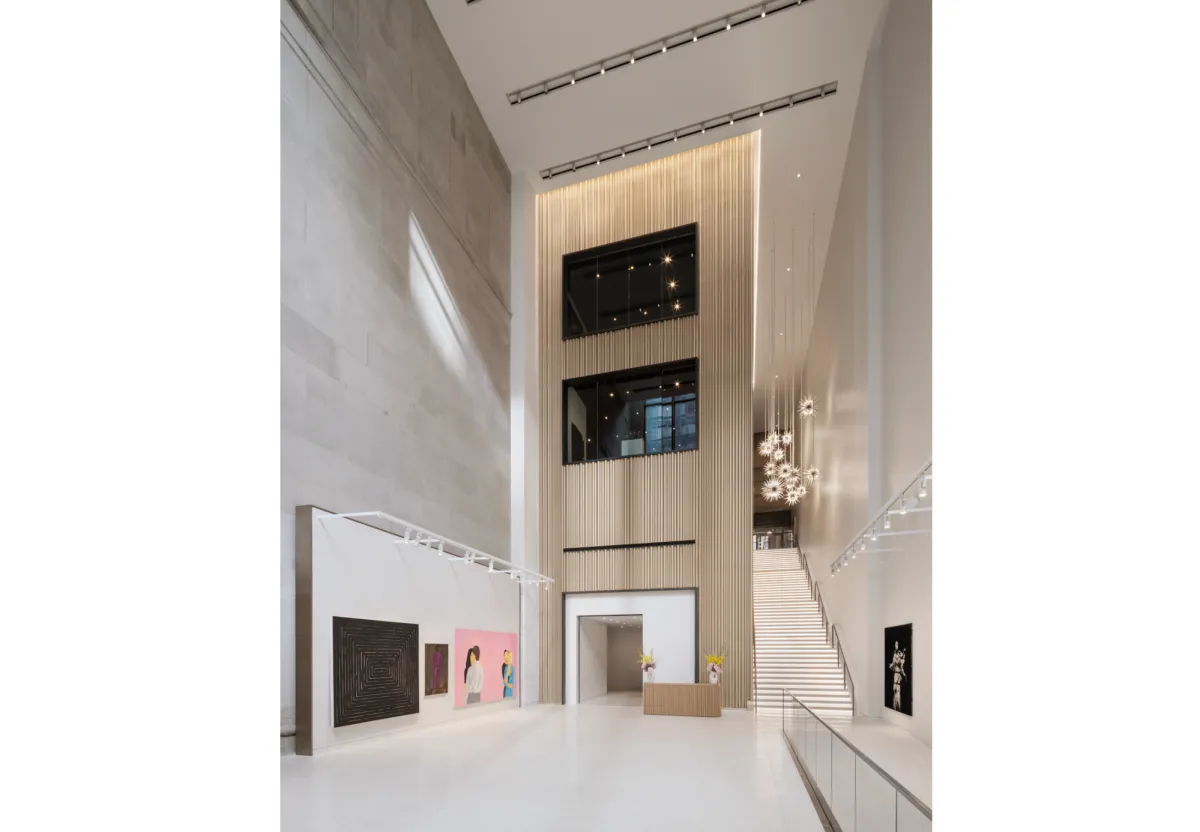
CMACC was created specifically to address this gap. Though housed within Canyon, a forthcoming museum for time-based art on Manhattan's Lower East Side, the conservation lab operates as a nonprofit serving the entire field—artists, collectors, and institutions alike. The model is borrowed from traditional painting and sculpture conservation, which has regional centers across the country. Media art has never had that infrastructure.
"We're at a similar inflection point now," said Cass Fino-Radin, CMACC's director and a longtime media art conservator who previously worked at MoMA and the digital arts nonprofit Rhizome. "Media art has become central to contemporary practice, but the systems designed to care for it haven't caught up."
The Los Angeles fires exposed the stakes starkly. Thousands of homes burned, many of them artist studios that doubled as archives and production sites. For many creators, the loss was total. Insurance could replace equipment. It couldn't replace time, authorship, or the accumulated record of a career.
Thater is realistic about what can be recovered. Some works are simply gone. But others may yet be saved—and that possibility exists only because someone created the infrastructure to look for them. "This isn't academic," Thater said. "This is about whether the work survives." For the first time in her field, artists have somewhere to turn when it doesn't.