You brush. You floss—sometimes. You wash your hands and trim your nails like a responsible adult. The problem: you might be doing most of it wrong, and nobody told you.
Hygiene advice doesn't stay still. What your parents taught you was solid for its time, but dermatologists and dental hygienists have spent the last decade quietly updating the rules. Some of our most trusted habits are just ineffective. A few might actually make things worse. The good news is that fixing them takes seconds, not a lifestyle overhaul.
The gaps between your toes matter more than you think
You wash your feet in the shower, sure. But do you wash between your toes? That narrow, dark, perpetually damp space is exactly where bacteria love to live, especially after eight hours trapped in shoes and socks. Board-certified dermatologist Dr. Dray points out that this single oversight can lead to odor, fungal growth, and bacteria spreading to other parts of your body. It takes five extra seconds. That's the whole intervention.
We're a new kind of news feed.
Regular news is designed to drain you. We're a non-profit built to restore you. Every story we publish is scored for impact, progress, and hope.
Start Your News DetoxFlossing isn't optional, and mouthwash can't replace it

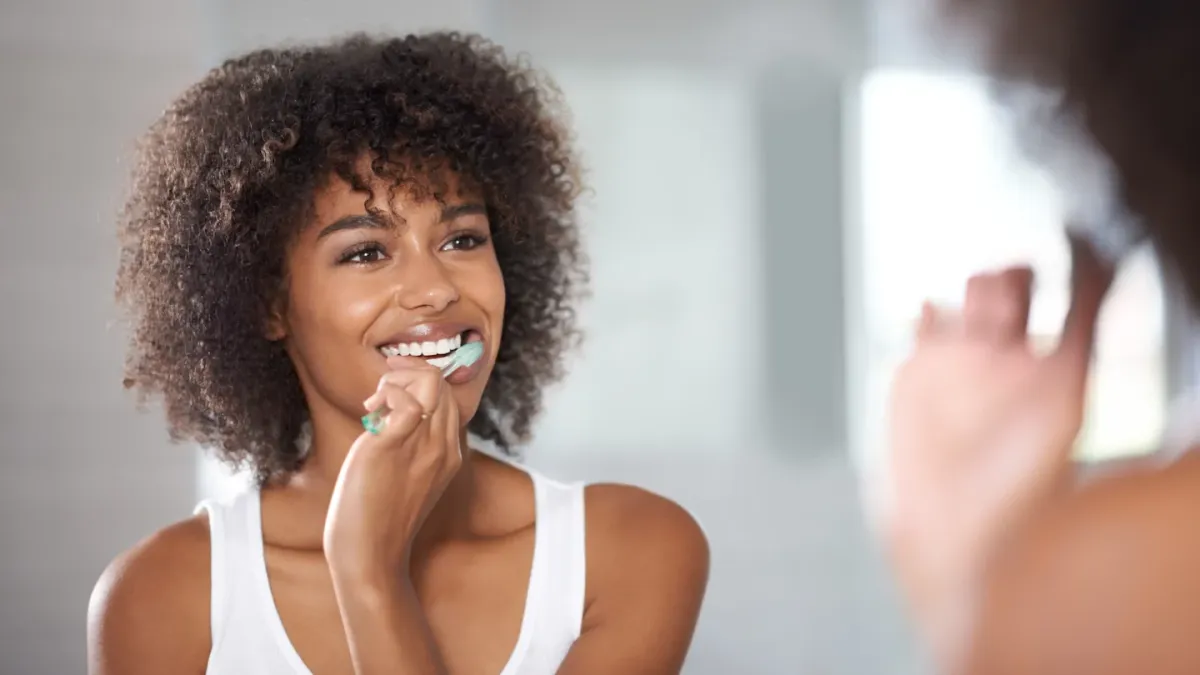
Many people treat flossing like a nice-to-have, something to skip when they're tired. Some try to replace it with mouthwash, thinking they're getting the same benefit. They're not. Dentists at Bradford Family Dentistry are clear: flossing removes plaque from spaces that neither toothpaste nor mouthwash can reach. If your gums bleed when you start flossing, that's not a warning sign—it's actually your gums responding to consistent cleaning. The bleeding stops once the plaque buildup clears.
Hand washing has a geography problem
You know when to wash your hands. You probably know you should do it for about 20 seconds. But most people miss entire zones. Dr. Dray emphasizes that the top of your hands, the space between your fingers, around your nails, and your wrists all need soap and water—not just your palms. You don't need antibacterial soap; regular soap works fine. Hand sanitizers are useful in a pinch, but some viruses ignore them entirely, so they shouldn't be your only method.
Daily hair washing is actually making your scalp worse
Washing your hair every day isn't cleaning it—it's stripping away natural oils and throwing your scalp's chemistry out of balance. This triggers irritation and, counterintuitively, makes your hair greasier faster. How often you should actually wash depends on your scalp type. If you have an oily scalp, two to three times per week works. Dry or curly hair should get washed no more than twice weekly. People with active lifestyles should follow their hair type, not the calendar, and use mild shampoo.
Your nails are not snacks
Biting your nails and ripping off hangnails feels harmless in the moment. The Mayo Clinic says otherwise: biting weakens your nail beds over time, creating small cuts and openings for infection. Ripping off a hangnail pulls tissue away from the nail, causing bleeding and slow healing—another entry point for bacteria. Clippers and manicure scissors exist for a reason. Use them.
Wet hair and brushes are a bad combination
The urge to aggressively detangle your hair right out of the shower is strong. Hair health experts say resist it. Wet hair is fragile, and vigorous brushing causes split ends that don't repair themselves. Instead, gently pat your hair dry with a towel, use a wide-toothed comb to smooth out knots, then let it air dry before using a regular brush. It takes a bit longer, but your hair will actually thank you.