

Jimmy G., a fifth grader, often struggled with focus and was disruptive in class. His teacher, Amy Young, noticed he would constantly talk and get out of his seat.
However, after Jimmy started a cycling class, his behavior changed. Young observed that after riding, he could sit down, focus, and get to work. She described him as "a different kid."
Jimmy has ADHD and takes medication. Even with medication, cycling made a clear difference in his behavior, which his parents also noticed.
We're a new kind of news feed.
Regular news is designed to drain you. We're a non-profit built to restore you. Every story we publish is scored for impact, progress, and hope.
Start Your News DetoxCycling for Focus
The cycling class Jimmy attended was part of the Riding for Focus program by the nonprofit Outride. Mike Sinyard, who founded Outride and also has ADHD, realized that cycling helped him focus. After a ride, he felt more attentive in meetings.
This led Sinyard to wonder if cycling could help others. In 2012, he partnered with RTSG Neuroscience Consulting for a pilot project. They wanted to see if cycling during the school day could help kids focus. Students at two middle schools in Massachusetts biked for 30 minutes before school, five days a week, for a month.
The results were positive. Not only did symptoms improve for kids with ADHD, but all participating students benefited.
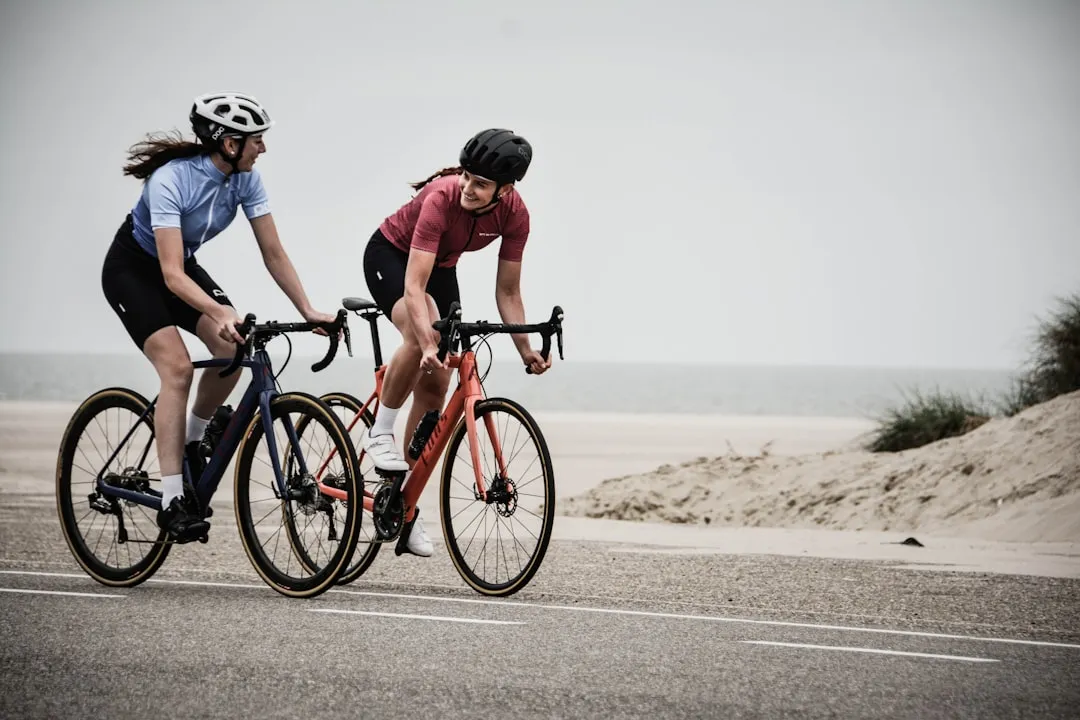
Teachers saw better focus and performance in classes right after the rides. The program was popular with school staff, parents, and students.
Encouraged by these findings, Sinyard founded the Specialized Foundation in 2014. The goal was to bring cycling classes to middle schools nationwide.
In 2015, the Foundation launched "Riding for Focus" (R4F) grants. These grants provided bikes, helmets, and teacher training. In 2019, the foundation became Outride to include more partners.
Today, the program is in 400 middle schools across the U.S. and Canada. Most of these are Title I schools or have a high rate of students receiving free or reduced-price lunch. Some exceptions are schools that serve students with special needs, like those with dyslexia, ADHD, or autism.
The strong connection with Specialized has been vital. The company designed durable R4F bikes for daily use by middle schoolers.
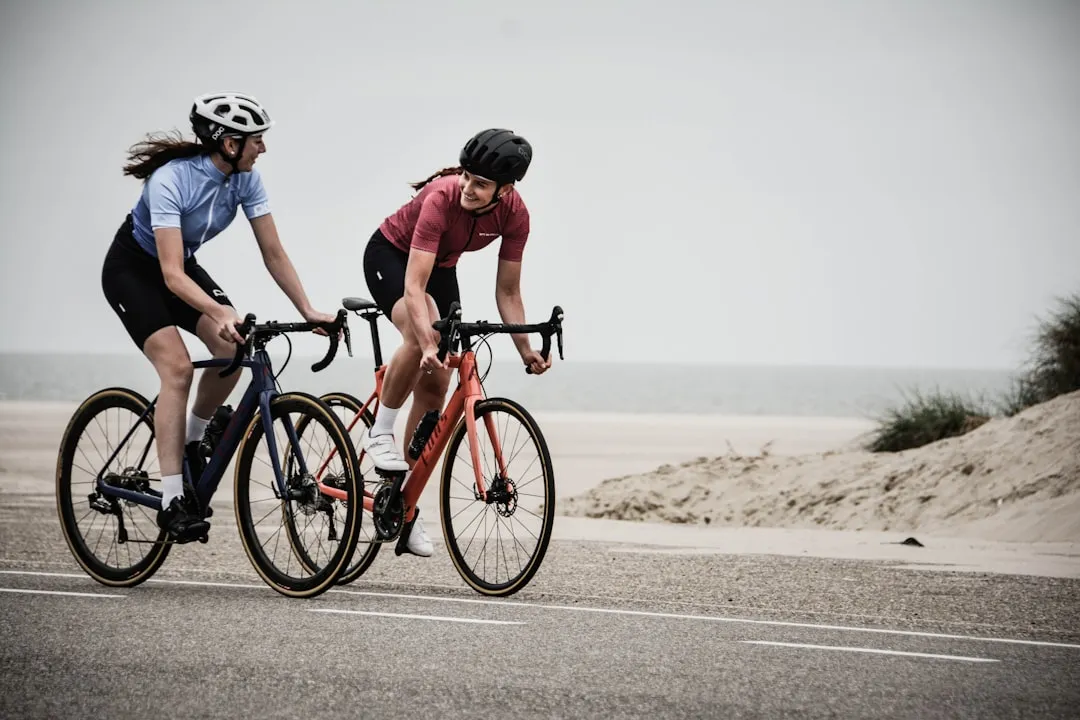
The bikes are color-coded by size and have clear numbers on the seat posts. This makes it easy for students to find their bike and learn to shift safely, building confidence.
The Science Behind Cycling
About seven million children and teens in the U.S. have been diagnosed with ADHD. Exercise is known to improve mood and mental health for all ages. Recent research shows that exercise also boosts cognitive benefits like executive function, focus, and self-regulation in children with ADHD.
Some studies specifically look at cycling. Outride has supported several studies, including two at Stanford. One study, published in Medicine & Science in Sports & Exercise in 2019, used a special imaging system called functional near-infrared spectroscopy (fNIRS). This system measures blood flow in the brain during exercise.
Researchers found that teens with ADHD showed brain activity patterns that became more like those of a control group while cycling. While mental tasks were still challenging during cycling, doing both seemed to prepare the brain for better focus afterward.
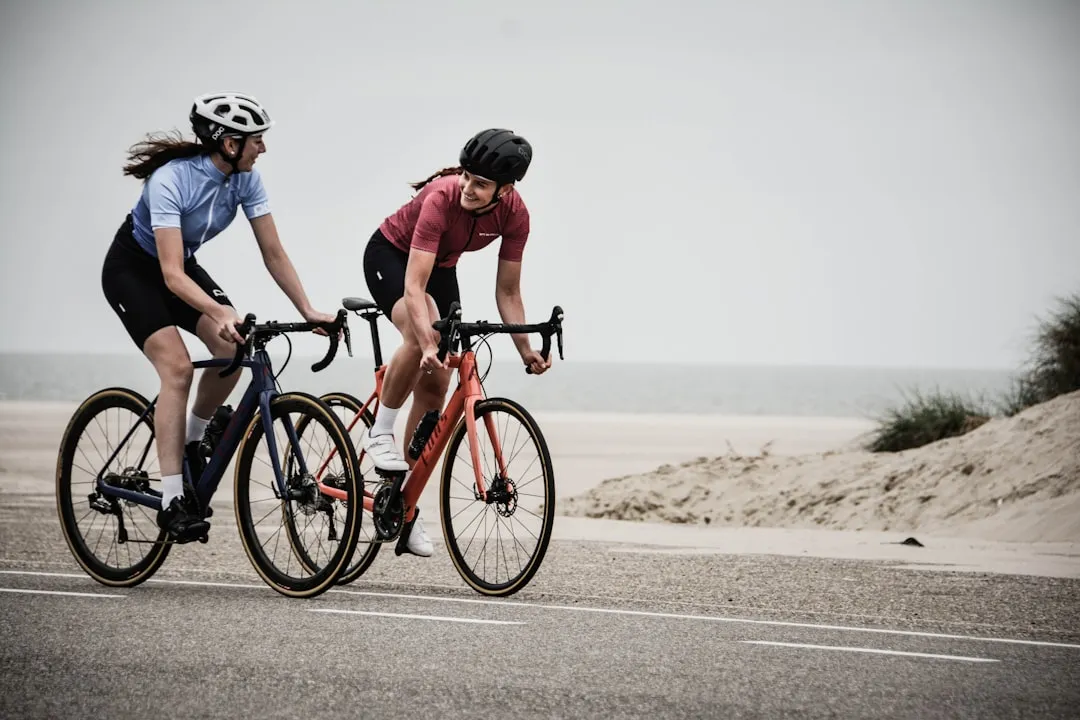
Other universities, including Loma Linda University, the University of Tennessee, and the University of Wyoming, are also researching how cycling affects cognition and mental health in teens.
While there isn't much research proving cycling is better than other exercises for cognitive improvements in teens with ADHD, kids enjoy cycling. This makes it an easy activity for them to stick with.
Teachers have noted that cycling attracts students who usually dislike P.E. or avoid team sports. Cycling is aerobic, which supports executive function, and it's also accessible and motivating. Teens often find it fun and enjoy the feeling of independence it provides.
Outride is also partnering with research institutions in Scotland and England, with promising initial results.
Spooner Middle School's Success
P.E. teacher Ryan McKinney at Spooner Elementary started the R4F program with Outride's help. He received bikes, helmets, training, and a curriculum. He also started an after-school Bike Club, which parents loved. They noticed their kids were more engaged on Bike Club nights.
This inspired McKinney to propose a study. Spooner has a daily intervention class called "What I Need" (WIN) for students needing extra help. McKinney suggested using cycling and other outdoor sports as a WIN intervention.
In the fall of 2021, he selected fifth and sixth graders who struggled with attention or behavior. Twelve students joined McKinney's daily WIN class, which included cycling, cross-country skiing, and snowshoeing. Another 12 students were in a control group, attending the typical WIN class.
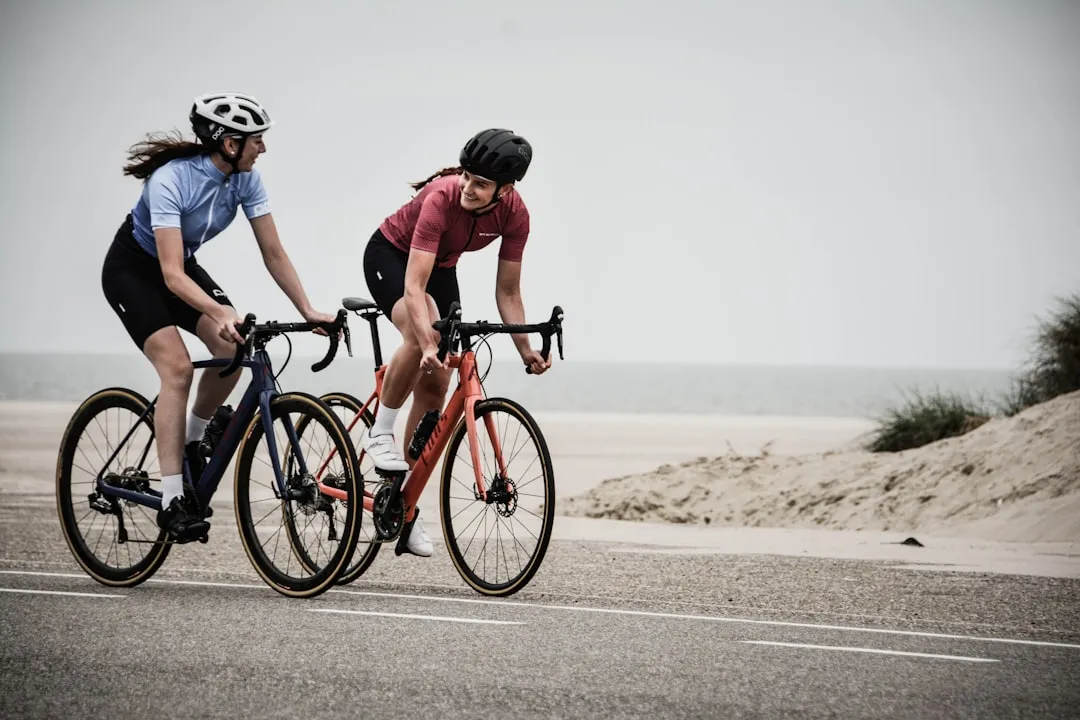
After their 45-minute WIN class, students went to core classes like math, science, English, or social studies. Teachers rated students' focus, and students also evaluated themselves. Students took a standardized test called FastBridge three times a year to measure reading and math comprehension.
The results were remarkable. Students in the cycling group improved twice as much in math and nearly twice as much in reading compared to the control group. The cycling group also had significantly fewer office discipline referrals.
McKinney tracked this data for three years. He gathered enough evidence to make cycling a permanent part of the school's curriculum. While his cycling WIN class is no longer supported by Outride, the school has integrated it. Spooner also received Outride Community Impact Grants for a pump track, a bike skills park, and fat tire bikes.
Outride's executive director, Esther Walker, noted that the Riding for Focus program often sparks schools to start cycling initiatives. Over time, schools adapt and add more, like after-school clubs and trails.
Deep Dive & References
Exercise and the Brain in Children and Adolescents with ADHD: A Systematic Review - Journal of Attention Disorders, 2018
Acute Cycling Exercise Improves Prefrontal Cortex Oxygenation and Cognition in Adolescents with ADHD - Medicine & Science in Sports & Exercise, 2019